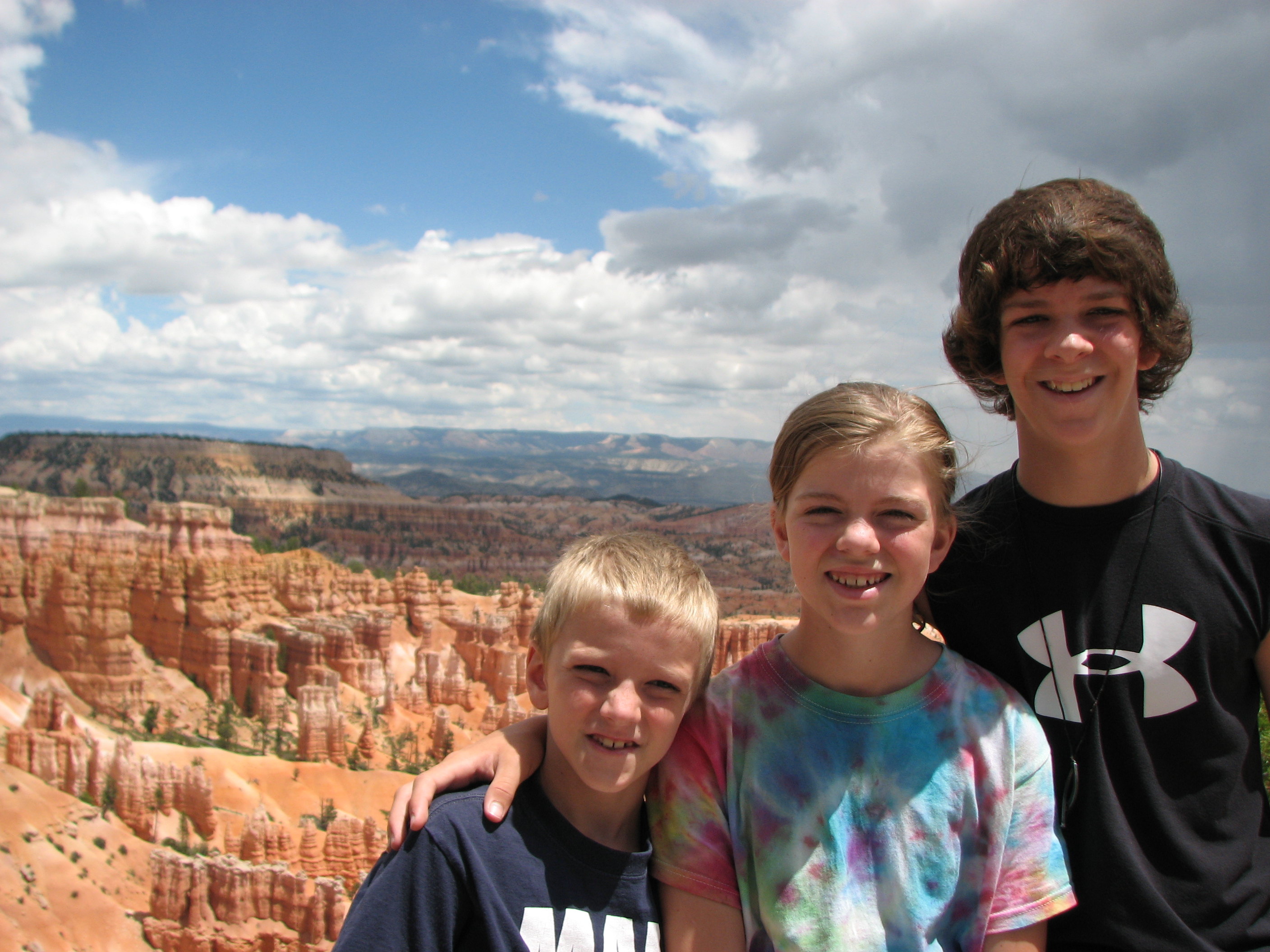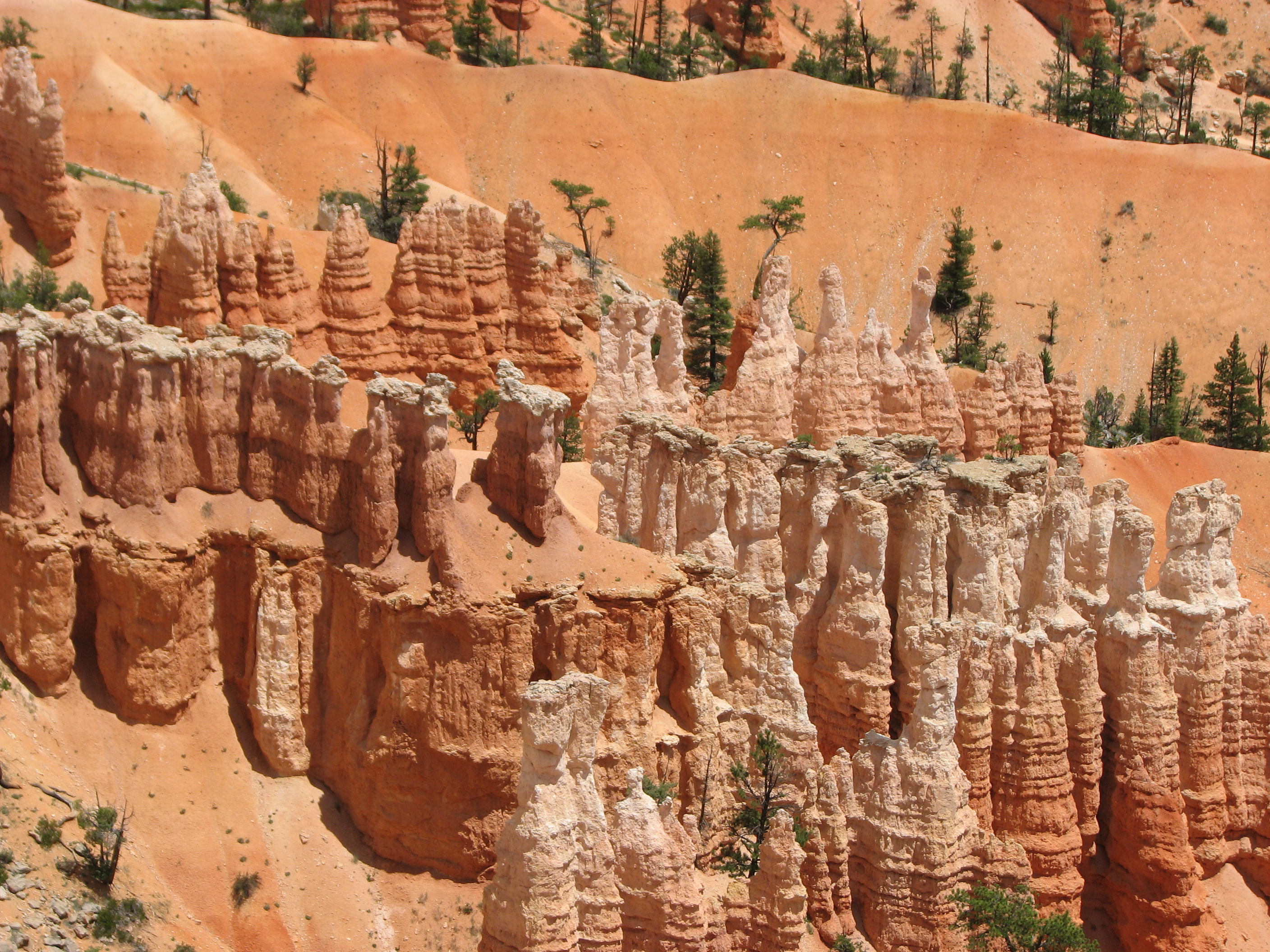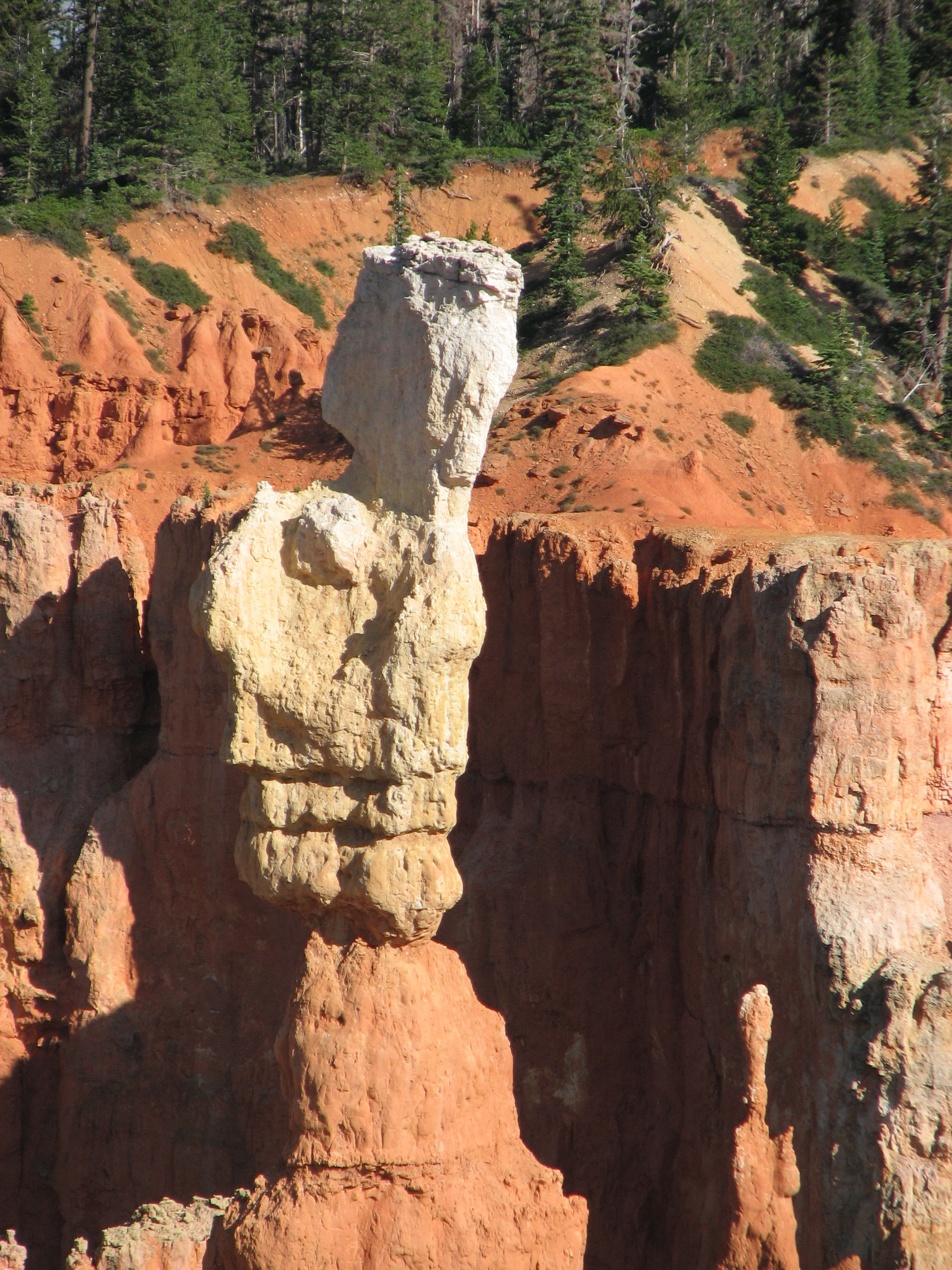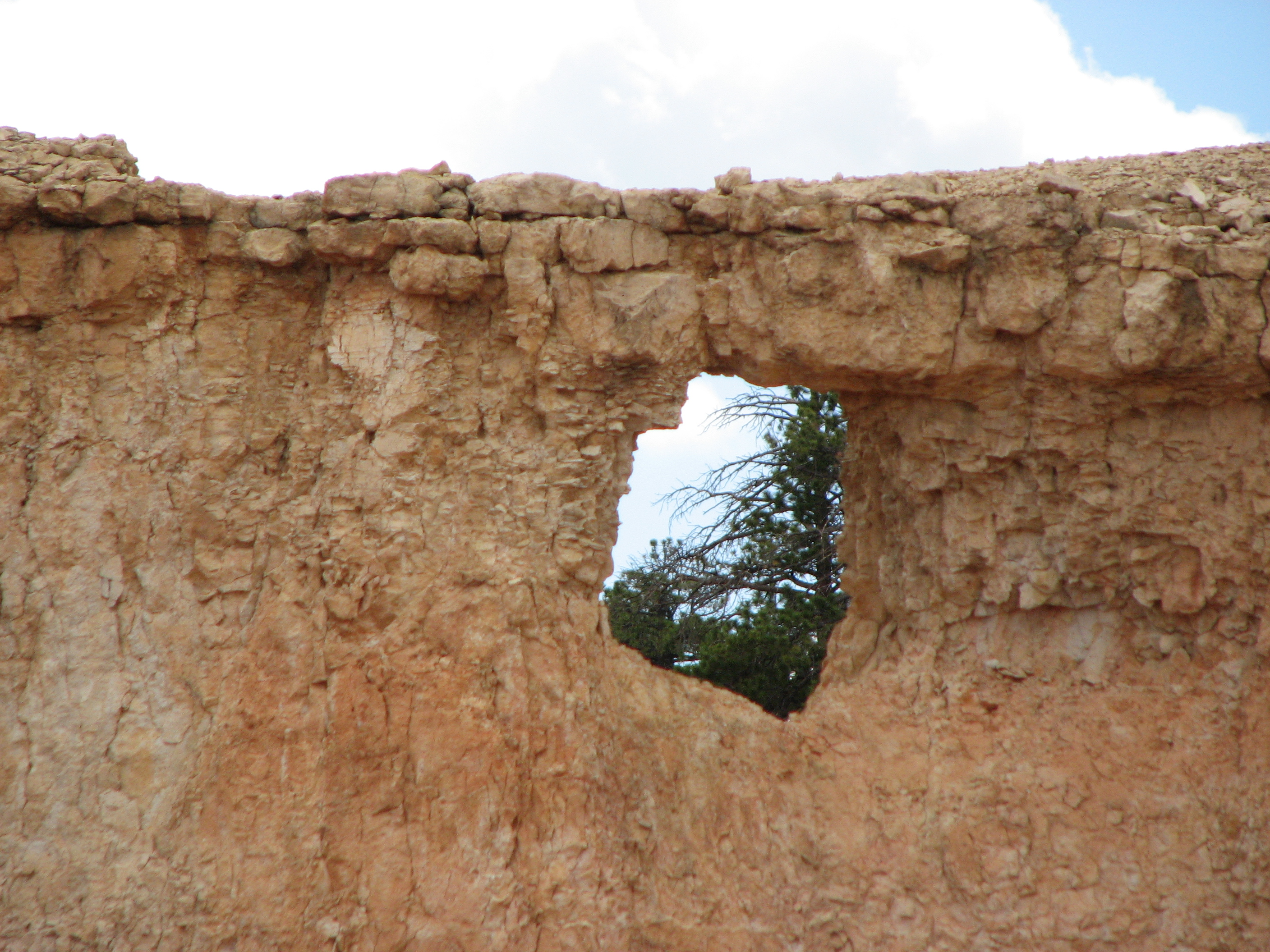
Day 16: Mesa Verde to Red Rocks

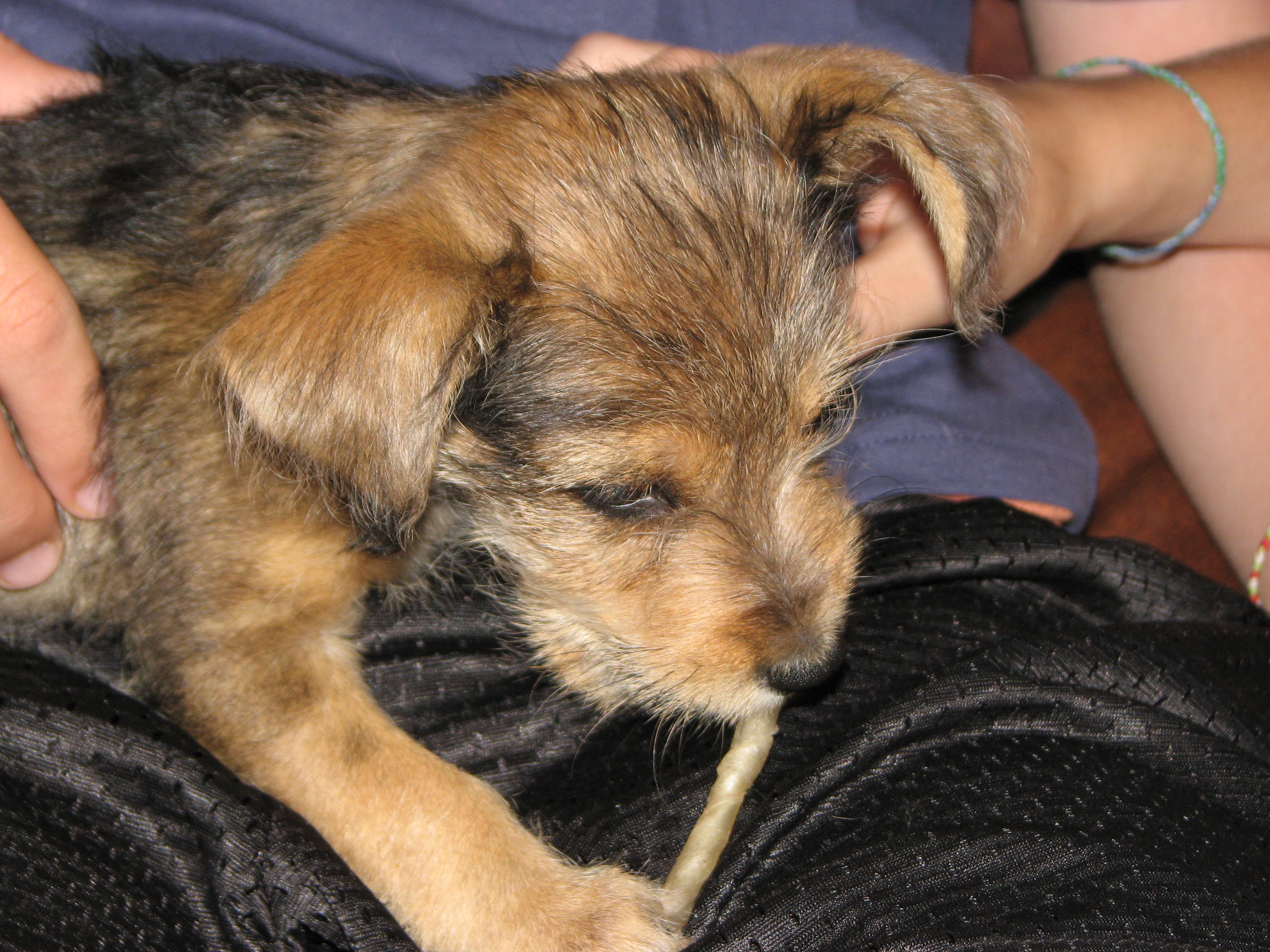
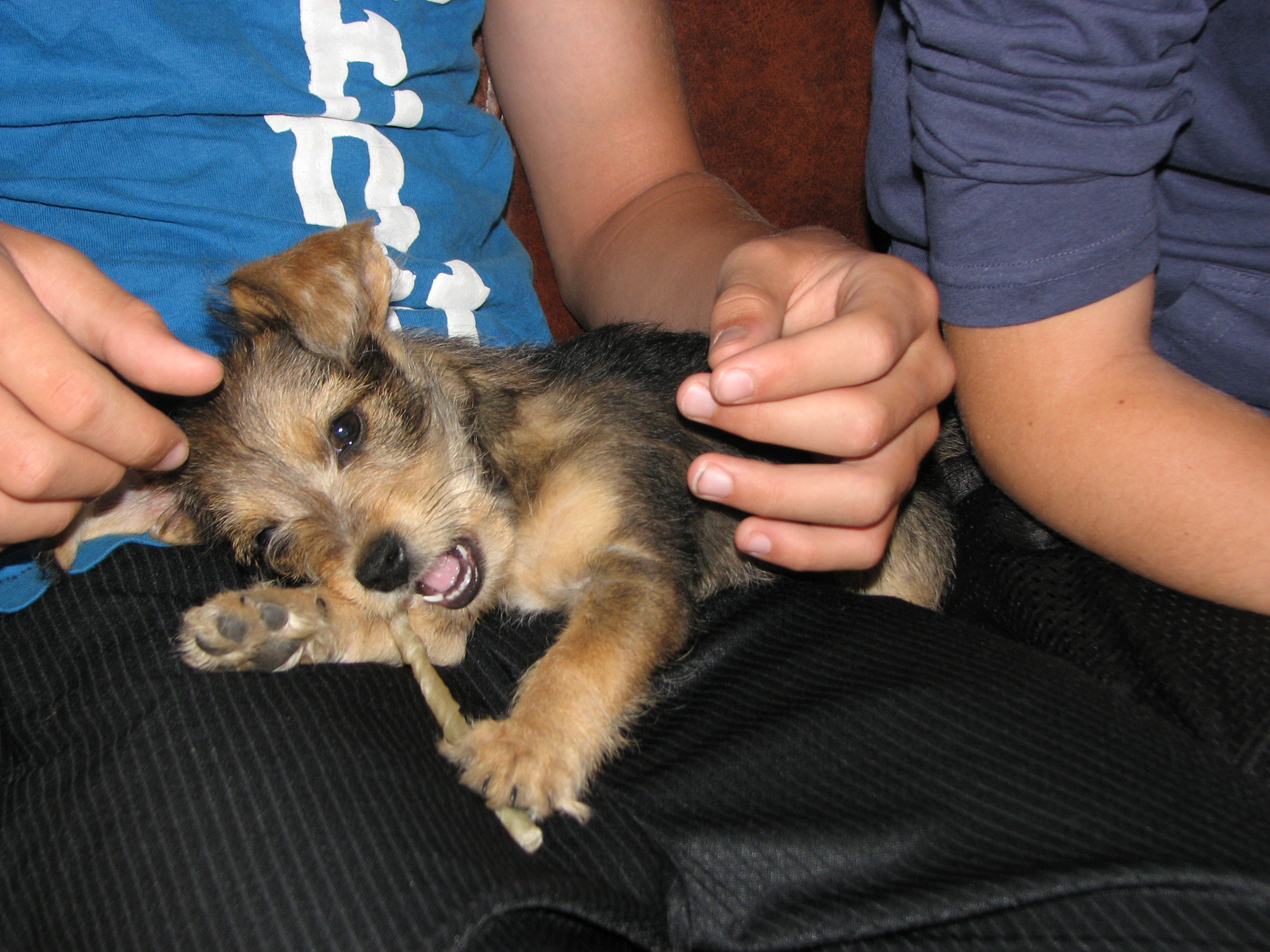
We were glad to stay at the Rio Grande for two nights. It sure has been nice when we have somewhere to settle into for a couple nights. The kids watched a movie after we got back from Mesa Verde. The hum of the ceiling fans and window fan make wonderful white noise for sleeping. We got a later start in the morning than intended (surprise, surprise) because we were enjoying sleeping so much. We finally got downstairs for another Sheila & Don breakfast. The kids were thrilled to find that Winnie was in the living room this morning! Such an adorable little puppy.

We’d found our breakfast favorites and enjoyed bacon and omelets and waffles again, in addition to blueberry pancakes this morning. Delicious! The service isn’t quick, but it feels so homey and comfortable and delicious that you don’t even care.

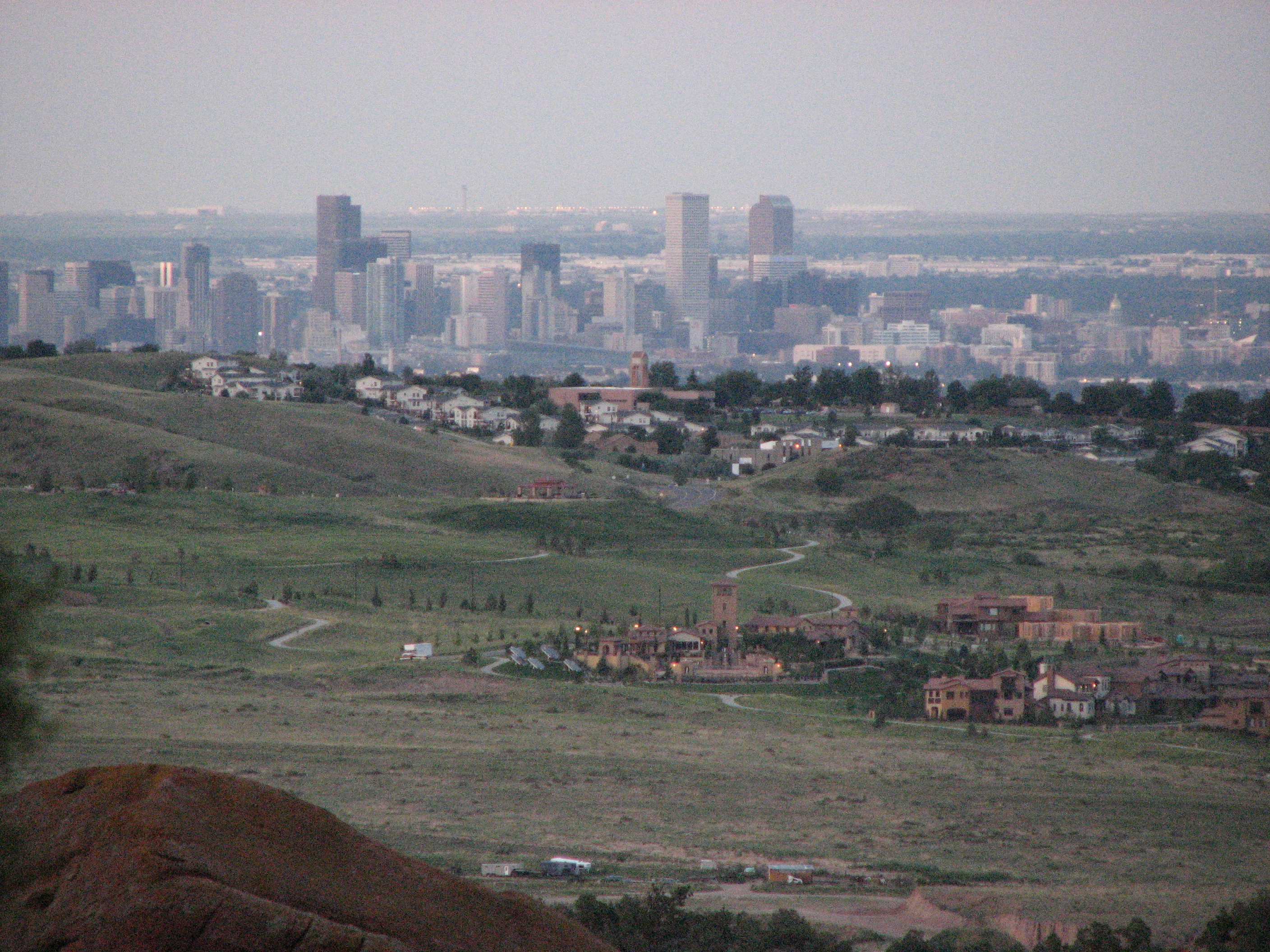
On the road again, this time headed toward Denver. My brother, David (#3 Kuhlmann child & #2 brother), lives in Denver. The two activities we’d planned for and bought tickets for on this trip were the Grand Teton Covered Wagon Cookout and a concert and movie at Red Rocks Amphitheatre in Morrison, Colorado. Tonight was our night to meet David at Red Rocks!

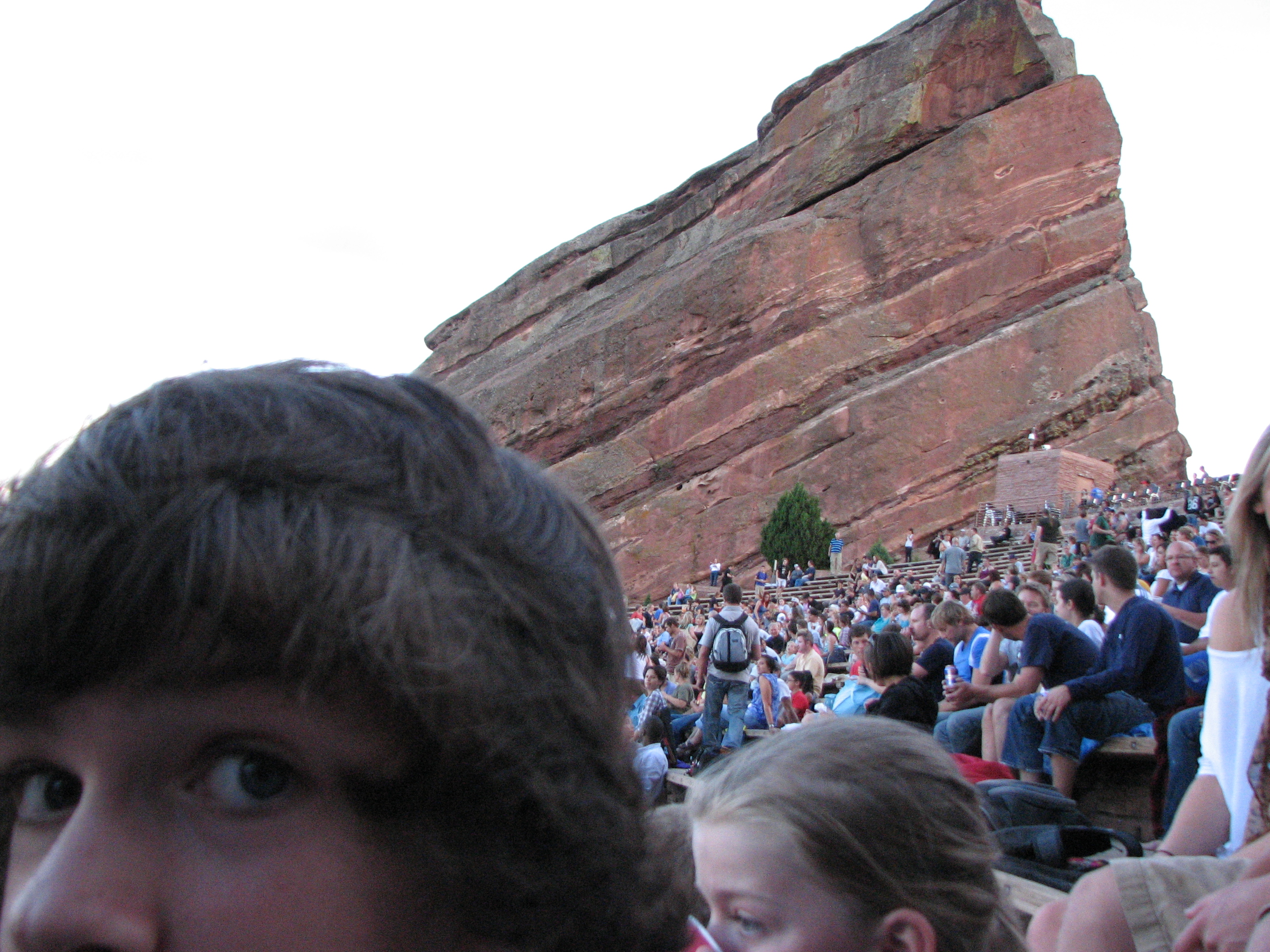
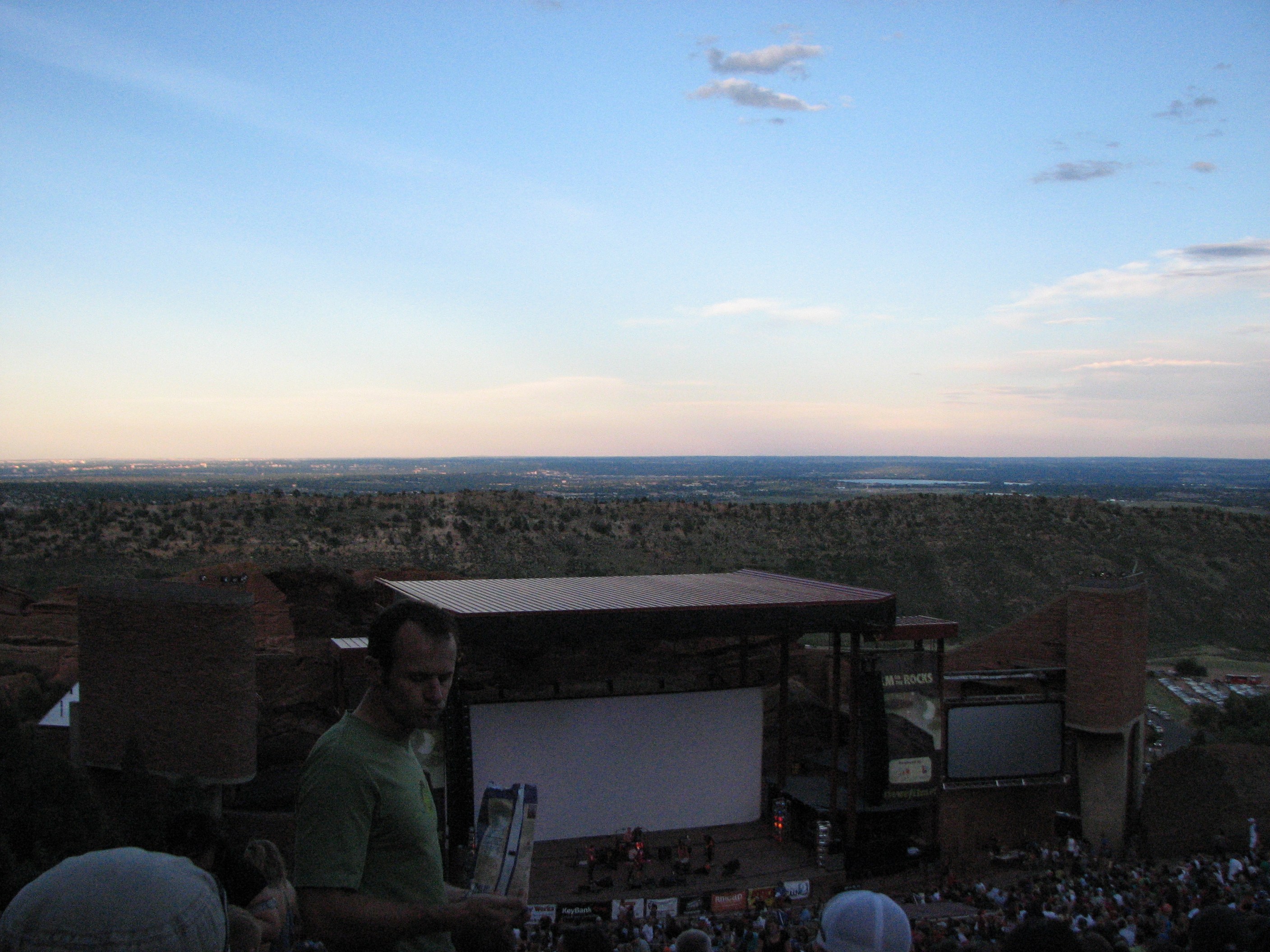
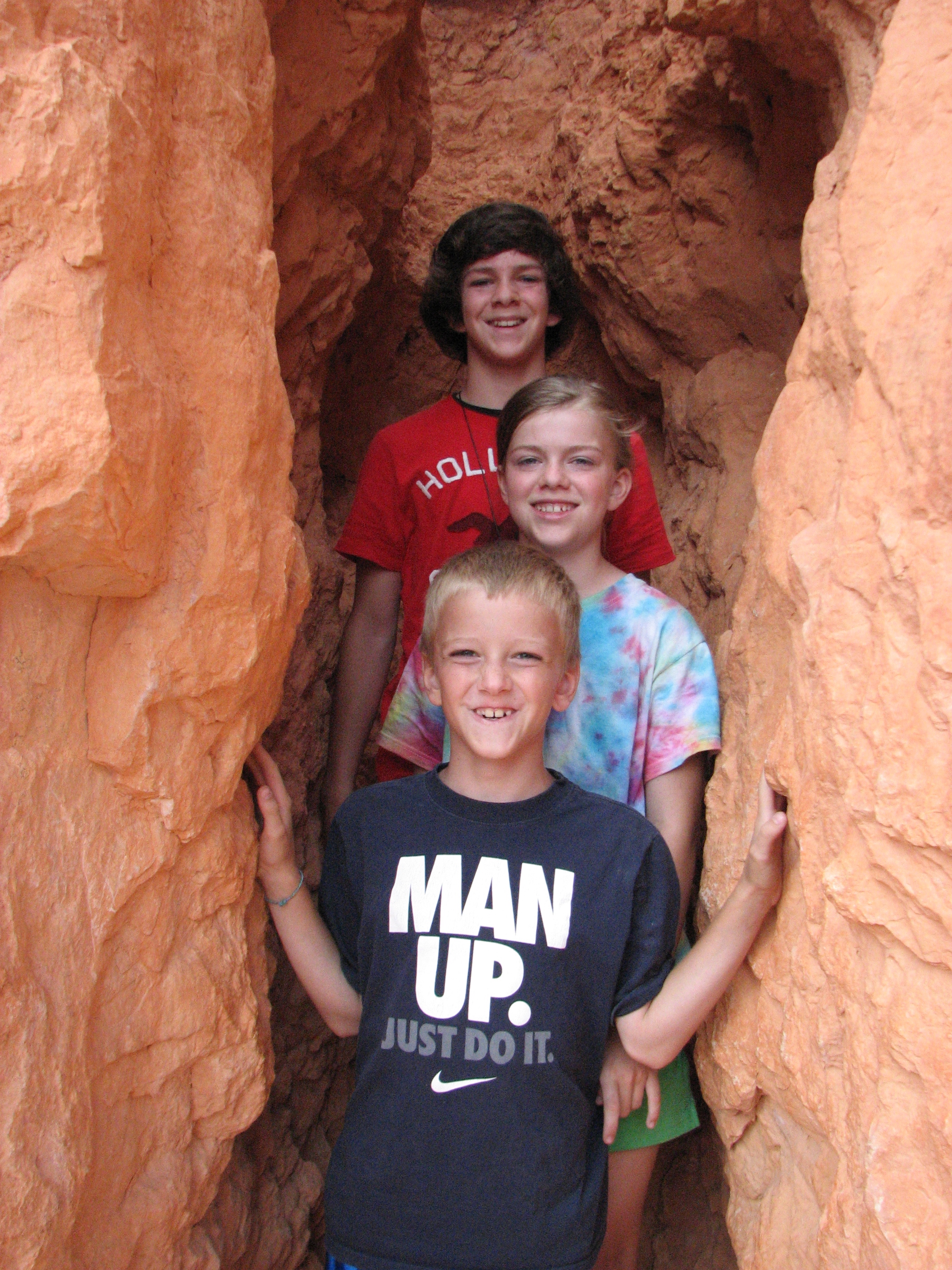
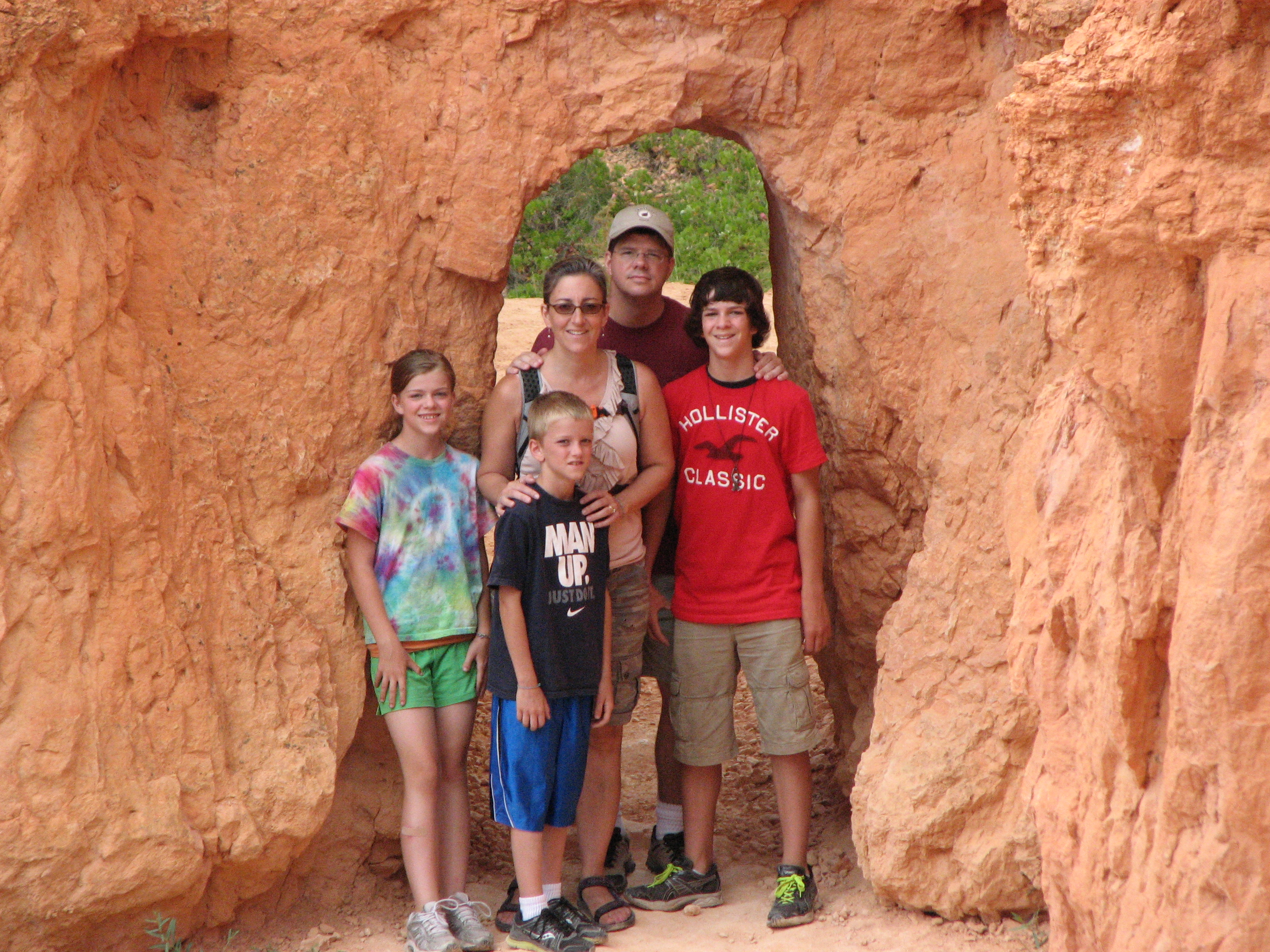
Red Rocks Park & Amphitheatre in Morrison, CO, is a gorgeous park with hiking trails and picnic areas, and is also the most beautiful outdoor concert venue you’ve ever seen. My photos don’t capture it at all. Even if you normally don’t click through on links, you should click on the Red Rocks links to see the beauty of this venue.

On this trip, we have trusted three data sources for our travel time: Mapquest, the Odyssey’s navigation system, and our estimates of stop times based upon our family’s patterns while traveling. We were a bit concerned that this combination might still lead to underestimating our total travel time each day we were traveling. Most of the time, it wouldn’t matter too much, but it mattered the two nights when we had tickets for events. We were pleased to find, over the three weeks, that our data sources served us well. We never felt rushed, but each day found our time estimates to be fairly true. Having gotten a bit of a late start from Dolores, we arrived only a half-hour after we had intended to arrive at Red Rocks.

The Red Rocks event we were heading to was part of the Film on the Rocks summer program sponsored by the Denver Film Society. Each Monday night, Red Rocks hosts a movie, as well as a few local bands. Doors open at 6:30 pm. First band at 6:40 pm. Movie starts at dusk, which is typically around 9:00 pm. Most people bring picnic dinners to eat in the amphitheatre.

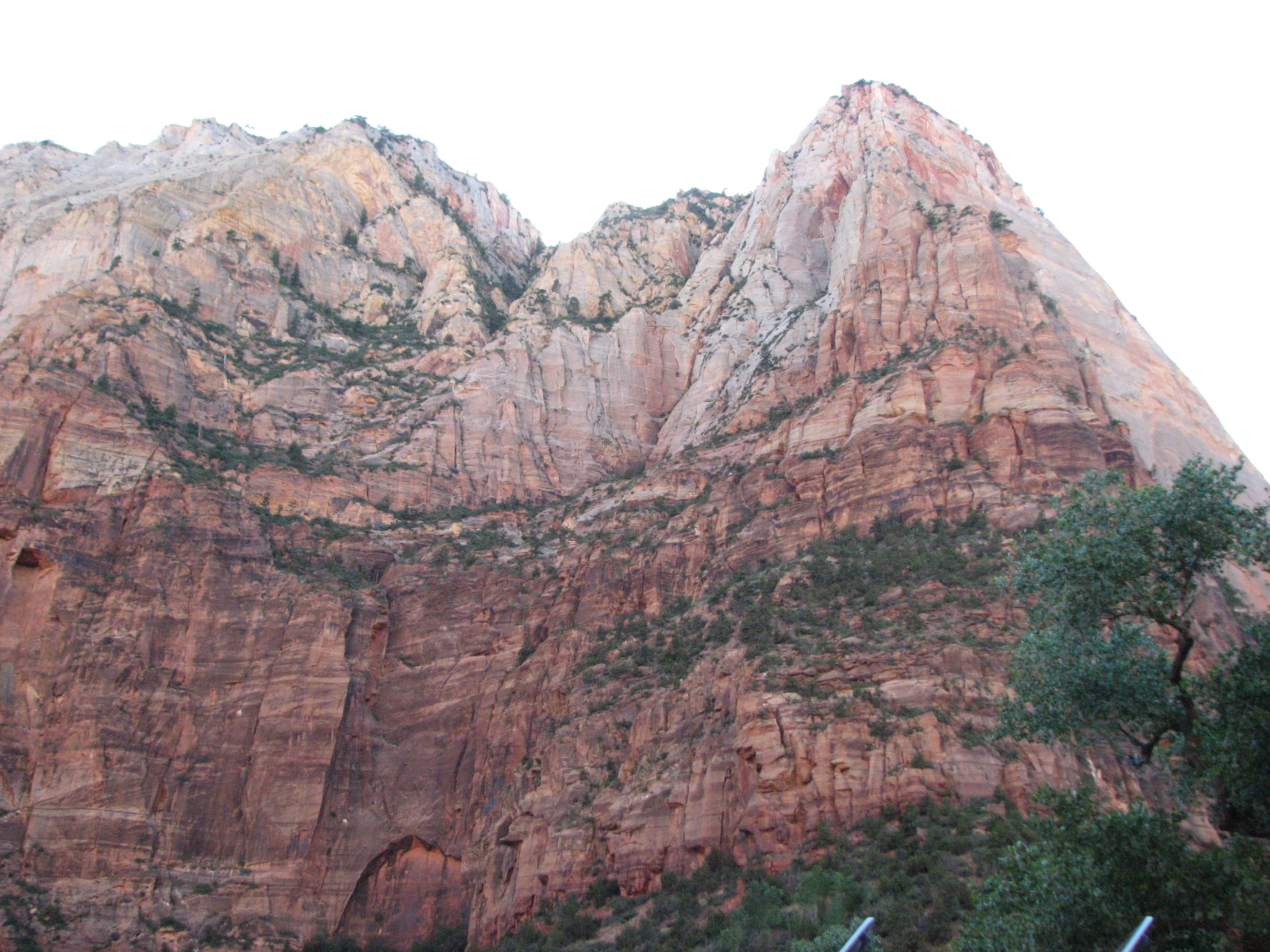
We arrived at 7:00 pm, met David at the Box Office. Fortunately, we already had our tickets; the event was sold out: 10,000 people coming to see Goonies. The walk from the parking lot up to the amphitheatre might be considered a steep hike. What a view! The red rocks surround the natural amphitheatre. David had brought a picnic supper for us: sandwich makings, cold lemonade & enough popcorn for all. Thanks, David!

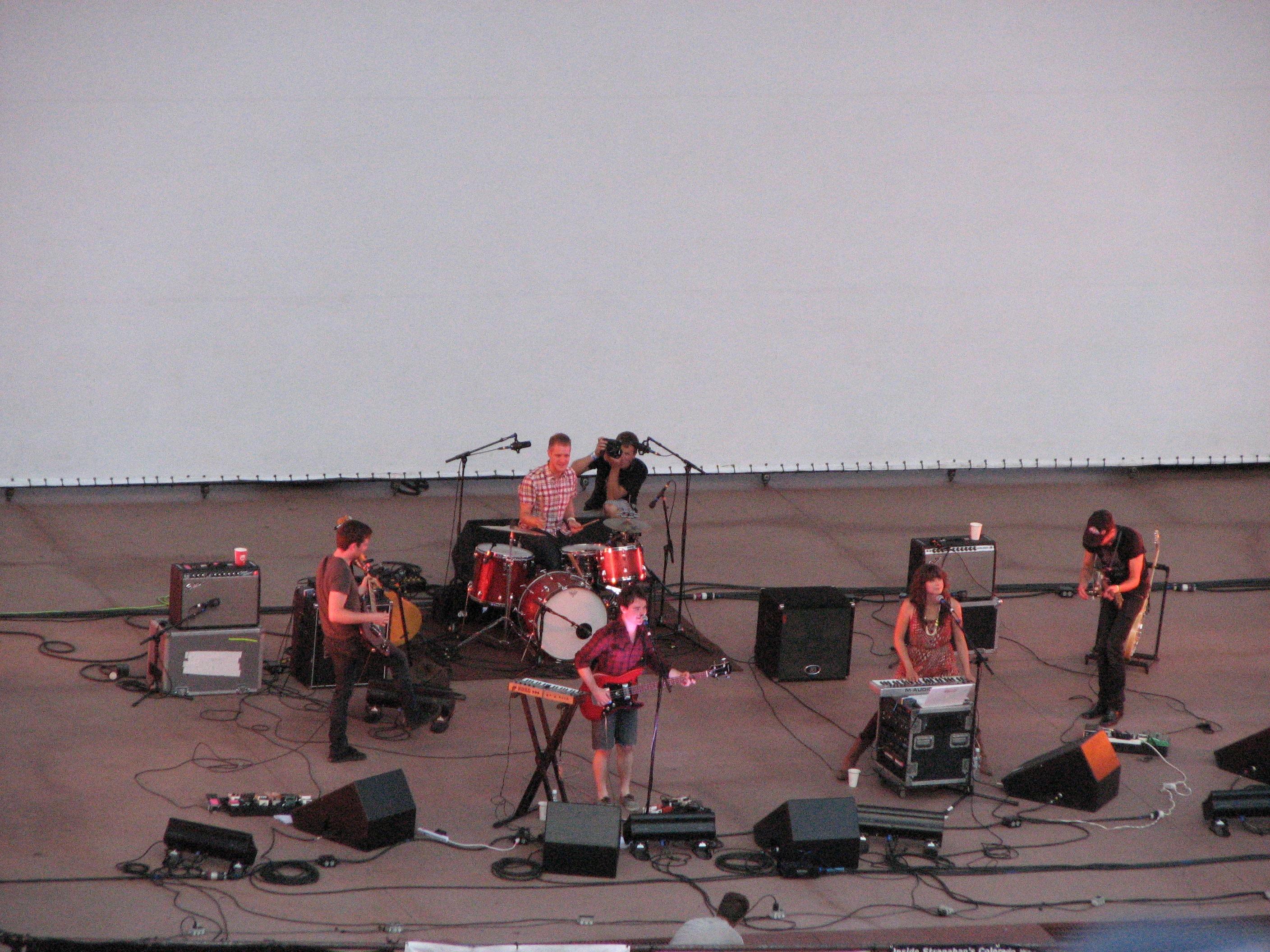
We had missed the first band, Princess, but enjoyed the next band, The Centennial, which describes itself as indie pop. The Centennial is a re-formulation of the band, Meese, including brothers Patrick and Nathan Meese, Patrick’s wife, Tiffany, as well as a few others. We enjoyed the band a lot, and it may have been the kids first big concert. Did I mention that it was a great setting?

After The Centennial played, there was a bit of stand-up and entertainment, including some presentations (video and in-person) by several not-for-profit causes. This seems to be the format for these events. Just before the movie, we enjoyed a Bugs Bunny short. Seriously, when is the last time you’ve seen Bugs Bunny? By the time the movie started, we had eaten dinner and settled into our popcorn. What a fun way to see Goonies! Hal and I had seen (at least part of) the movie before, but didn’t realize that it has quite a cult following. The crowd cheered for the good guys and booed the bad guys, and we had a very enjoyable evening. By 11:15 pm, we were on our way to David’s house in the Capital Hill neighborhood of Denver.

Thanks for the suggestion of heading to Red Rocks, David. We would have enjoyed the park under any circumstances, but had an especially good time at an event.

Posted in Uncategorized | 1 Comment

Day 15: Mesa Verde

The Rio Grande Southern Hotel is a wonderful place to stay. I should put that out there to start with. It falls into a “don’t judge the book by its cover category.” Or its title page (the inside cover). The outside of the Rio Grande (and its web site) make it look like a sweet, charming, turn-of-the-century hotel with impeccably decorated rooms. It is not that. The inside cover (the living room/lobby) make it look like a cluttered and disorganized business opportunity gone awry. It is not that either. The Rio Grande is a gorgeous home built in 1893, with an addition added in 1902. It was the first hotel in Dolores, Colorado and is now the oldest building in town. There are nine bedrooms upstairs and a restaurant open the public on the first floor.

The Rio Grande has always been an “Eating House,” welcoming day-travelers coming in on the train, as well as overnight guests, including Teddy Roosevelt. For a while, it was the only Eating House on the road between Durango and Rico. Breakfast is included for overnight guests, but Sunday Brunch is a popular meal for restaurant-only guests. We happened to be there on a Sunday and came downstairs to a full house. Within a few minutes, though, Sheila seated us and took our order, and Don got working on our meals.

Reflecting a bit on what led us here to the Rio Grande, I have noticed that there are some nice-looking chain hotels in Cortez. They would have been an option for us for this stop at Mesa Verde. I think two things motivated me to investigate the Rio Grande: price & variety. Our Room #1 has a Queen bed, the sink for the bathroom (oddly convenient and inconvenient, all at the same time), a ceiling fan and a window fan on exhaust. The house doesn’t have air conditioning, but the fans made the rooms very comfortable. The price is $75 per night, or $85 per night on weekends. Wow. You just can’t do that anywhere else. We added to that the kids room with 2 Full beds, with the bathroom in between, at $65 per night. We still spent less money at the Rio Grande than we would have at the Days Inn or Best Western for 2 Queens. In addition, we had quite a different experience at the Rio Grande. Interestingly, it felt more private than hotels we’ve been in. Once inside our little suite, we didn’t hear any noise from anyone in the house, though we could smell the pancakes and bacon as we woke up in the morning. It reminded me of staying at my grandmother’s house, if my grandmother lived in a turn-of-the-century Eating House, that is. It even had a pedestal tub. My Grandma & Grandpa Kuhlmann had a clawfoot tub, but the pedestal was close enough.

Our little friend, Winnie, wasn’t around this morning, but we enjoyed breakfast nonetheless. With Sheila and Don cooking, though there was a menu, we could pretty much order what we wanted to. I had a pancake (huge! The short stack was just one pancake and it was plenty.) and a side of bacon. Austin had a waffle with strawberries and whipped cream. Aidan had a pancake and a one-egg cheese omelet. Haley had the Continental Breakfast: her pick of cold cereal, toast, and juice. Hal had his typical omelet with a pancake, hash browns, and bacon. In fact, we ordered enough bacon that Sheila just brought us out a plate to share. Sheila was attentive and efficient as she popped in and out of the kitchen, managing all of her guests.

We were excited to head into Mesa Verde for the day. We realized by the end of the day that this Park experience would be very different than all the others. Each of the other National Parks were focused on natural, God-made beauty, while Mesa Verde’s focus is the cliff dwellings built by Native Americans 700-1500 years ago. We were ready for a change of pace.

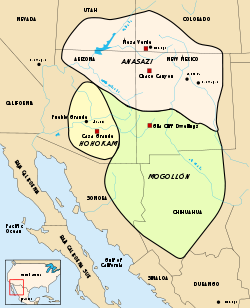
Do you remember learning about the Anasazi Indians in your grade school Social Studies text? I recall learning about theis cliff-dwelling people who disappeared from the Southwest around the year 1300. I recall the idea that no one really knows why they disappeared.

We learned at Mesa Verde that this isn’t exactly true. Yes, they were cliff dwellers. Yes, they lived in the area for several hundred years. But, they did not disappear; they moved on. And now their descendents mostly in Arizona and New Mexico. They are the Hopi and and the Zuni and other Pueblo People. These ancestors lived in what is often called the “Four Corners” area, where Colorado, Arizona, Utah, and New Mexico come together. Mesa Verde is not the only ruins of their civilization, but it is one of the best known. Anasazi is a Navajo word that means something like “ancient foreigners,” “ancient ones who are not like us,” or even “ancient enemy.” It seems that originally, archeologists used the Navajo word, but as they have come to understand where the descendents of these people went, they have chosen to reference the people in a way to that connects them to their descendents because they a) in fact, they are not foreigners, and b) they were not warring people, so were not enemies. They are now known within the Park primarily as the Ancestral Puebloans or simply The People.

The landscape at Mesa Verde is a series of mesas and canyons. “Mesa Verde” means “green table” in Spanish, and there are multiple green mesas in the area. The gate to the Park lies close to the beginning of the Park, but the Visitors Center lies 12 miles into the Park, over and around several of these mesas. You reach them by winding switch-backs up and over and through the mesas and the canyons. We didn’t find the Visitors Center particularly helpful, but that’s probably because we had gotten the map, the newspaper and tour tickets the night before. With some research already completed, we knew where we were headed and what we planned to do. If we weren’t sure what we wanted to do, the Visitors Center would have been very helpful. I will add again, though, that if you come in the night before and want to pop in for some information, try stopping by the Morefield Ranger Station. It is only 4 miles in from the gate and is open until 8:30 pm, unlike the other information facilities that all seem to close around 6:30 pm. We’d had a lovely conversation with Ranger Ali at Morefield the night before, just before she closed up shop. We were glad to not stand in line for tickets and information the next day.

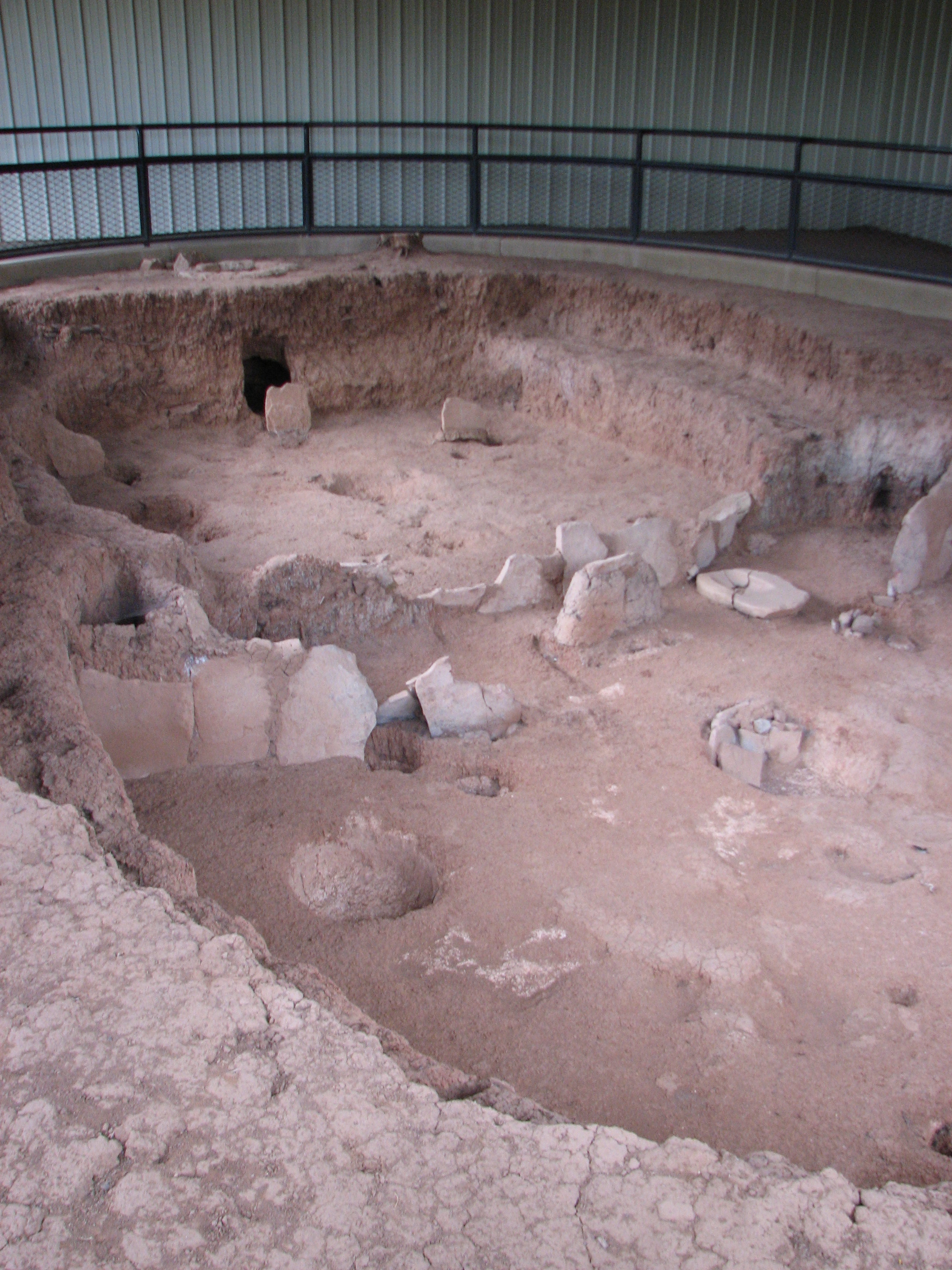
Mesa Verde has ruins of the Ancestral Puebloan culture in several stages. The earliest structure we saw was a “pit house” built around 575 AD. Prior to this, the People were likely nomadic. These modest homes were built on the top of the mesas by digging down a few feet and then creating walls and a roof with wooden poles, leaves and mud. A fire pit was always evident near the center of the main room. Both in these homes and the ones built much later, it was interesting to see a stone slab posed upright next to the fire to deflect drafts and draw the smoke up and out of the roof. Food and firewood was stored in the “antechamber,” off the main living area.

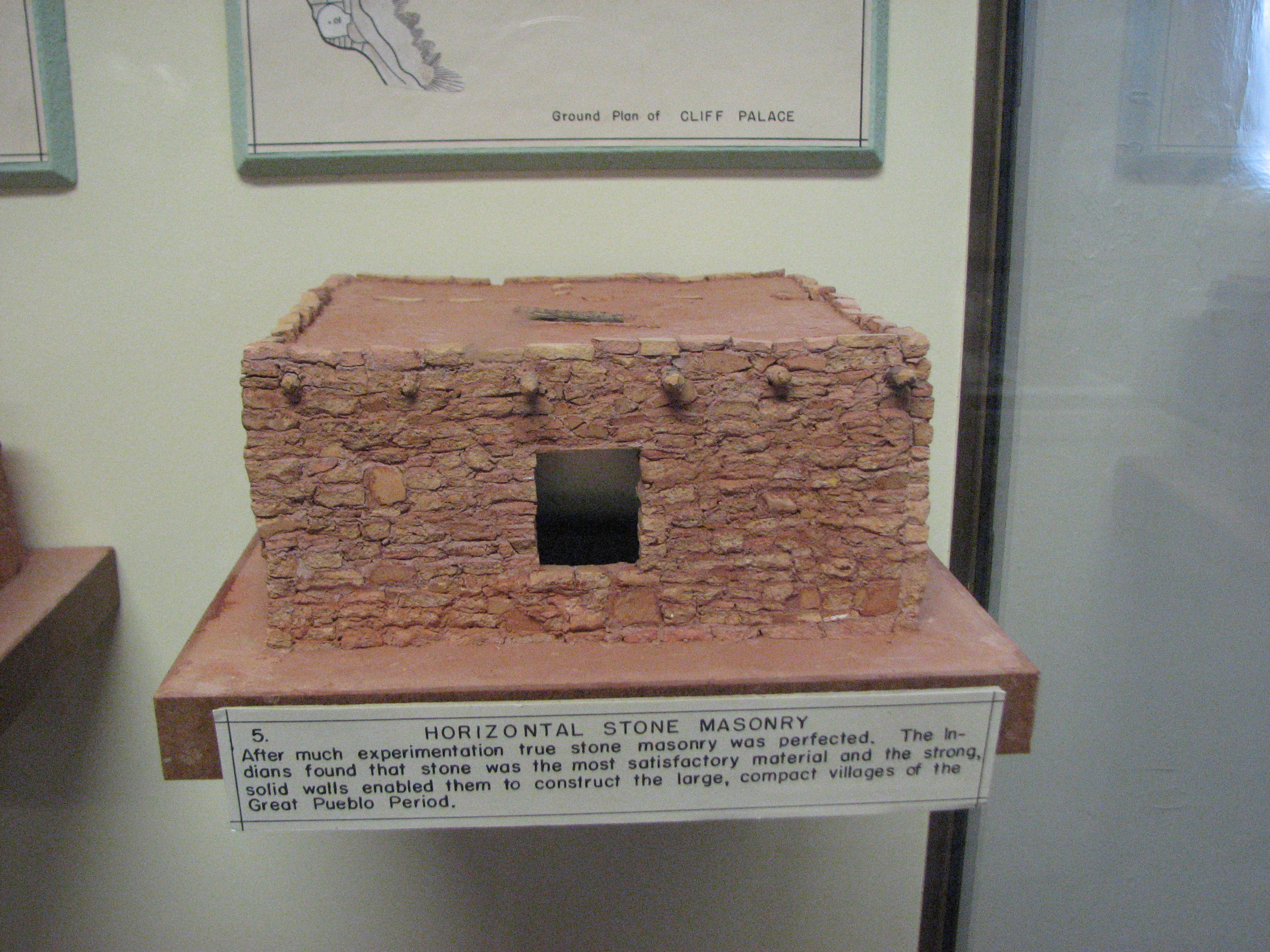
The next stage were single-story and then multi-story dwellings also built on the mesas. This is where we first see evidence of the Ancestral Puebloans’ masonry skills. These villages were built around 750-1100 AD and are the first structures that show obvious evidence of these being the People of the Pueblo. One of the most interesting aspects of these mesa-top communities was the “kiva.” These circular structures are thought to be gathering places for community meetings and religious ceremonies. They contain a fire pit, the traditional deflecting stone, and a ventilation shaft because they were typically built at least partially underground, with the entryway being a ladder down through the roof.

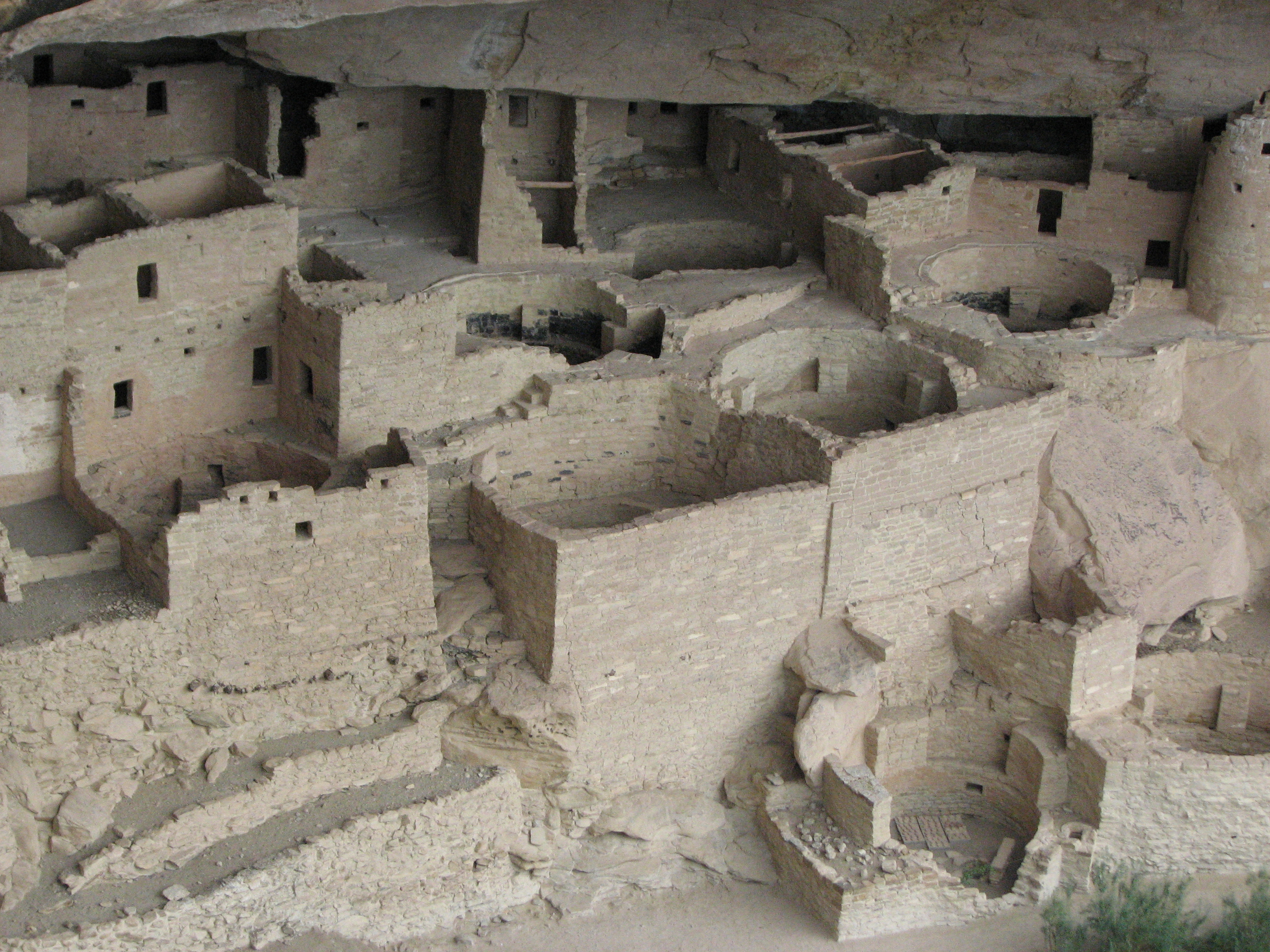
In the late 1100s, the Ancestral Puebloans began to reside in the cliffs alcoves, below the mesas. They continued to farm their staples of corn, squash and beans, which grew well on the mesa tops. They began to build multiple cliff-dwellings, some of which likely housed hundreds of people. It is these cliff-dwellings that Mesa Verde is known for, and they are fascinating to see.

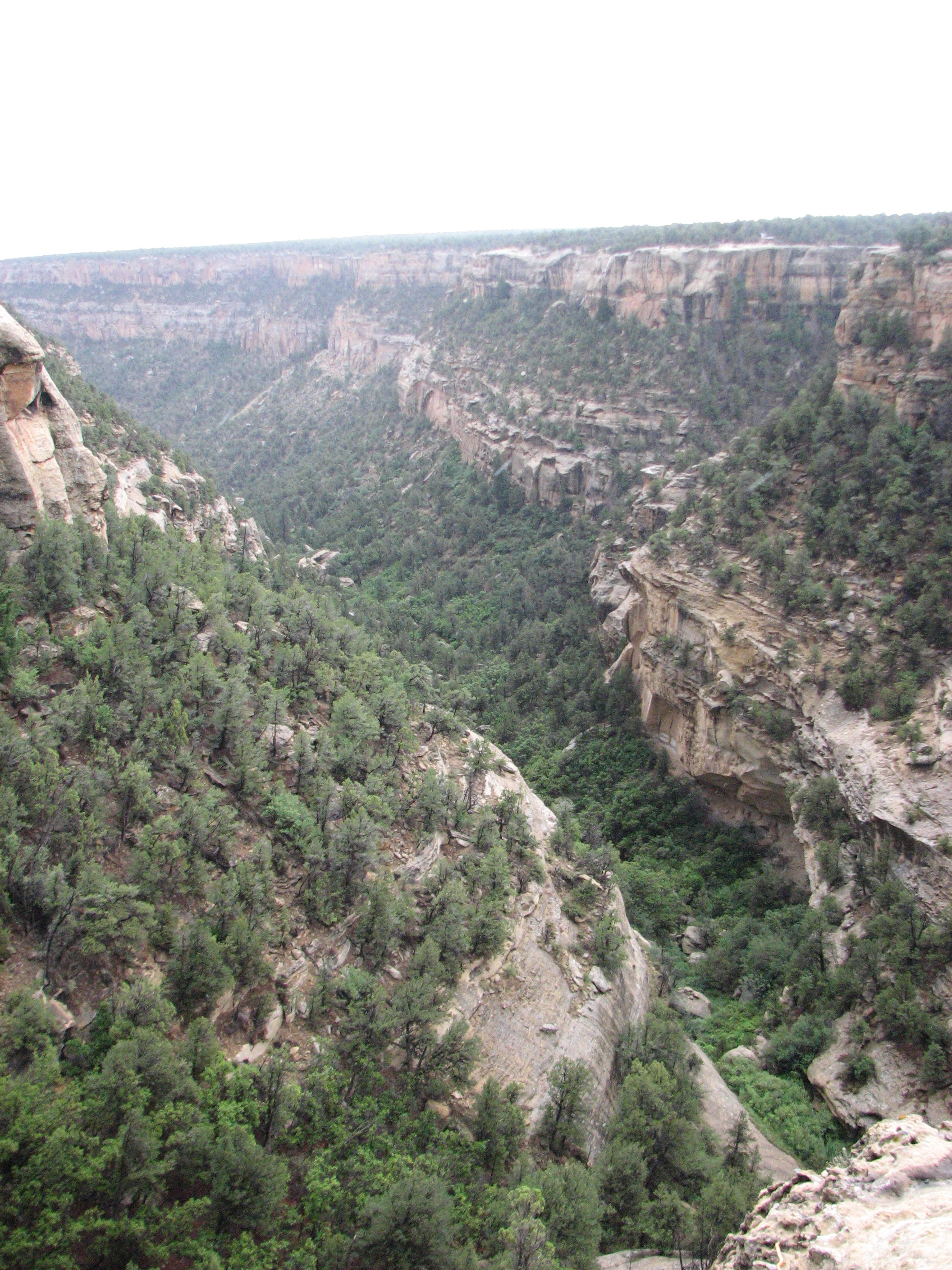
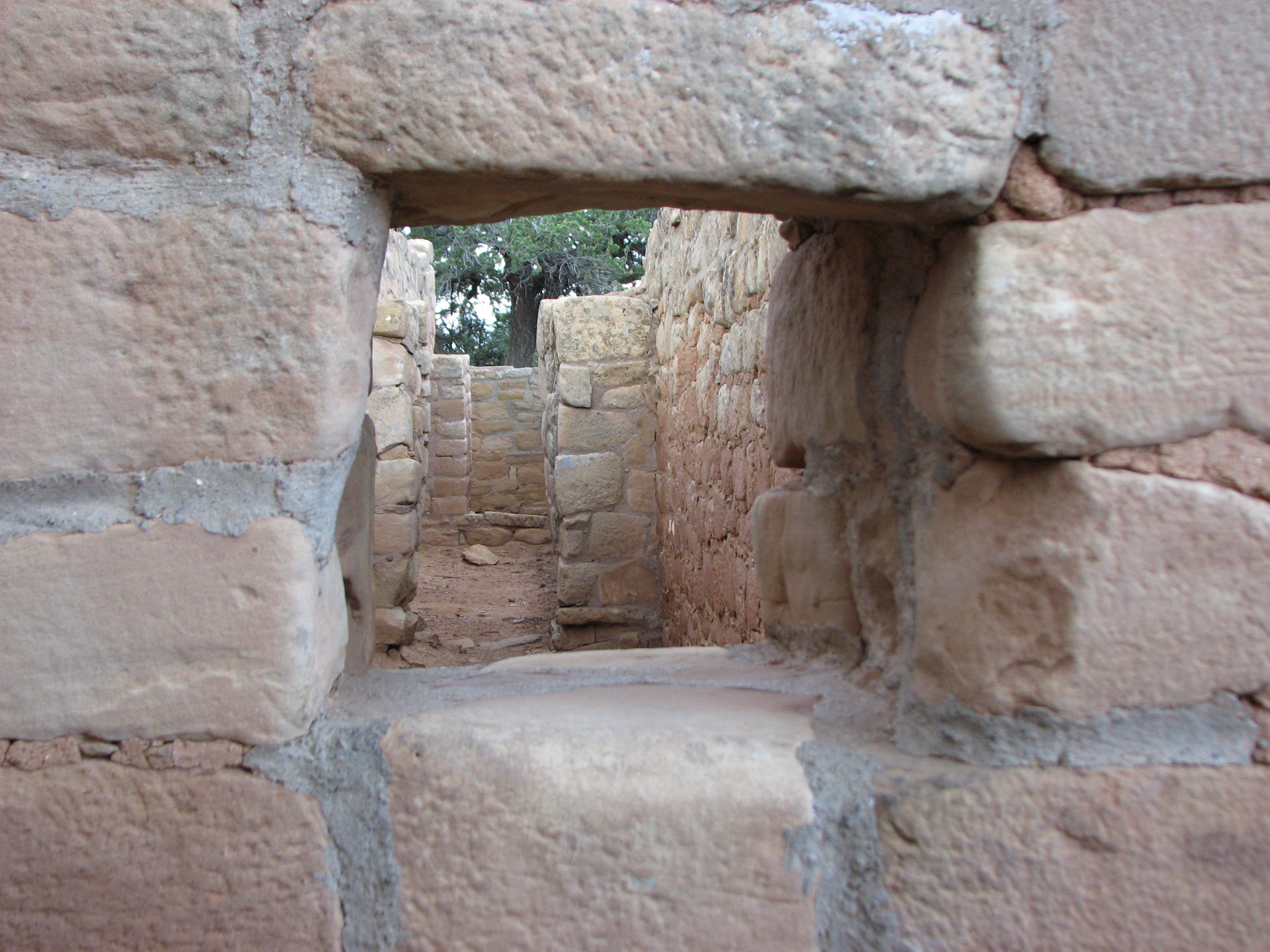
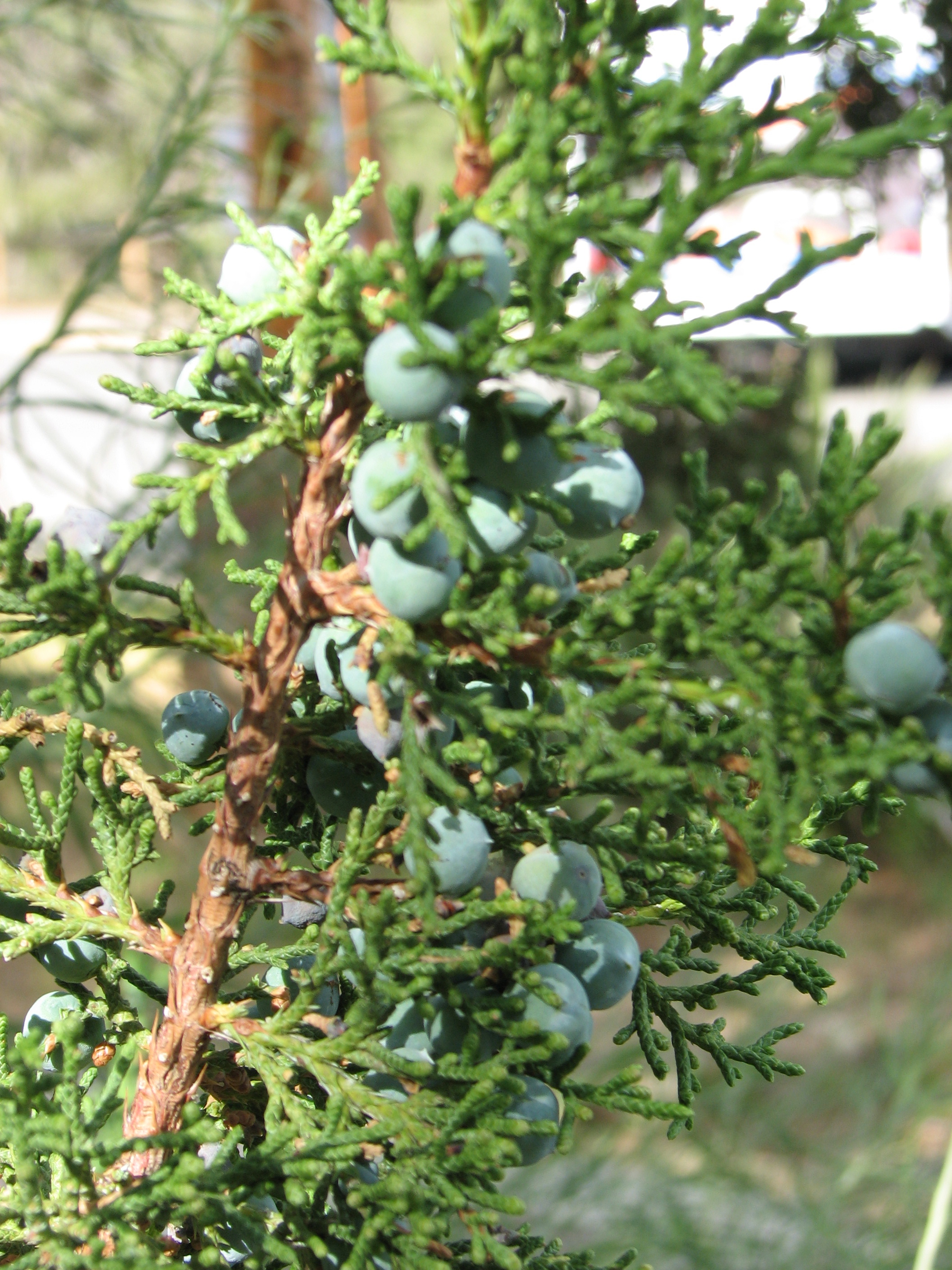
The canyons in the Four Corners area are lush with pinyon pine and juniper trees. As we drove the windy roads through these canyons, we began to notice the little doors in the canyon walls that point to areas where the Ancestral Puebloans built their cliff homes. Many are excavated; some offer tours; others are self-guided. And many others are just there, in the cliff walls, the little 18” x 30” doors (that look like windows) the only external evidence of their existence.

There are two main areas to see the dwellings of the Ancestral Puebloans: Wetherill Mesa and Chapin Mesa. Long Mesa, Long Canyon, and Wickiup Canyon lie between the mesas. In our day at Mesa Verde, we didn’t make it over to Wetherill Mesa. Though not too many miles apart, they are likely an hour apart by car because of the switchbacks winding their way up and down the canyon walls. I understand that Wetherill Mesa has a tram bus ride that would be a great way to see some of the cliff dwellings. We focused our efforts on this trip on Chapin Mesa because it had more of what we wanted to see that day.

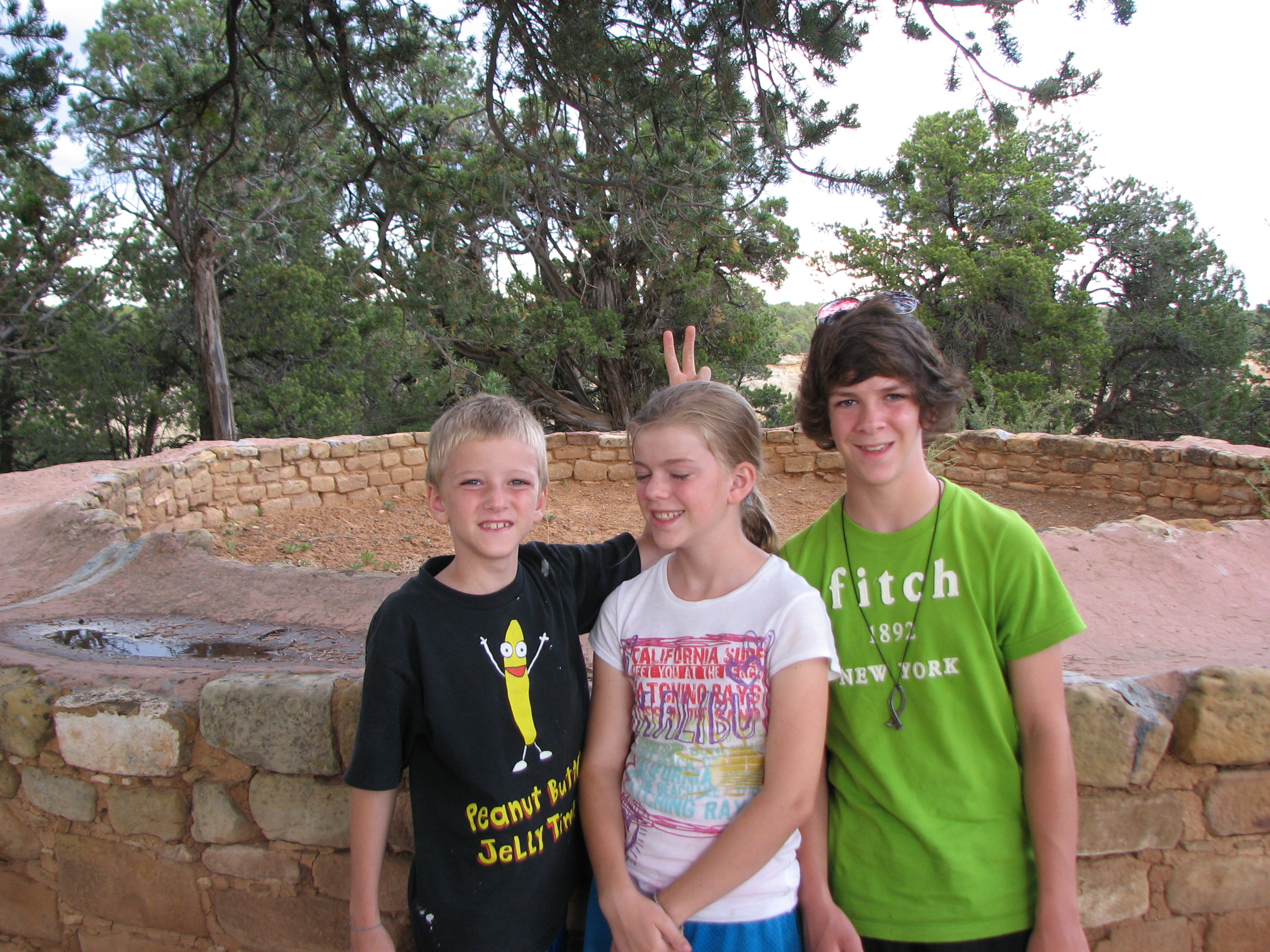
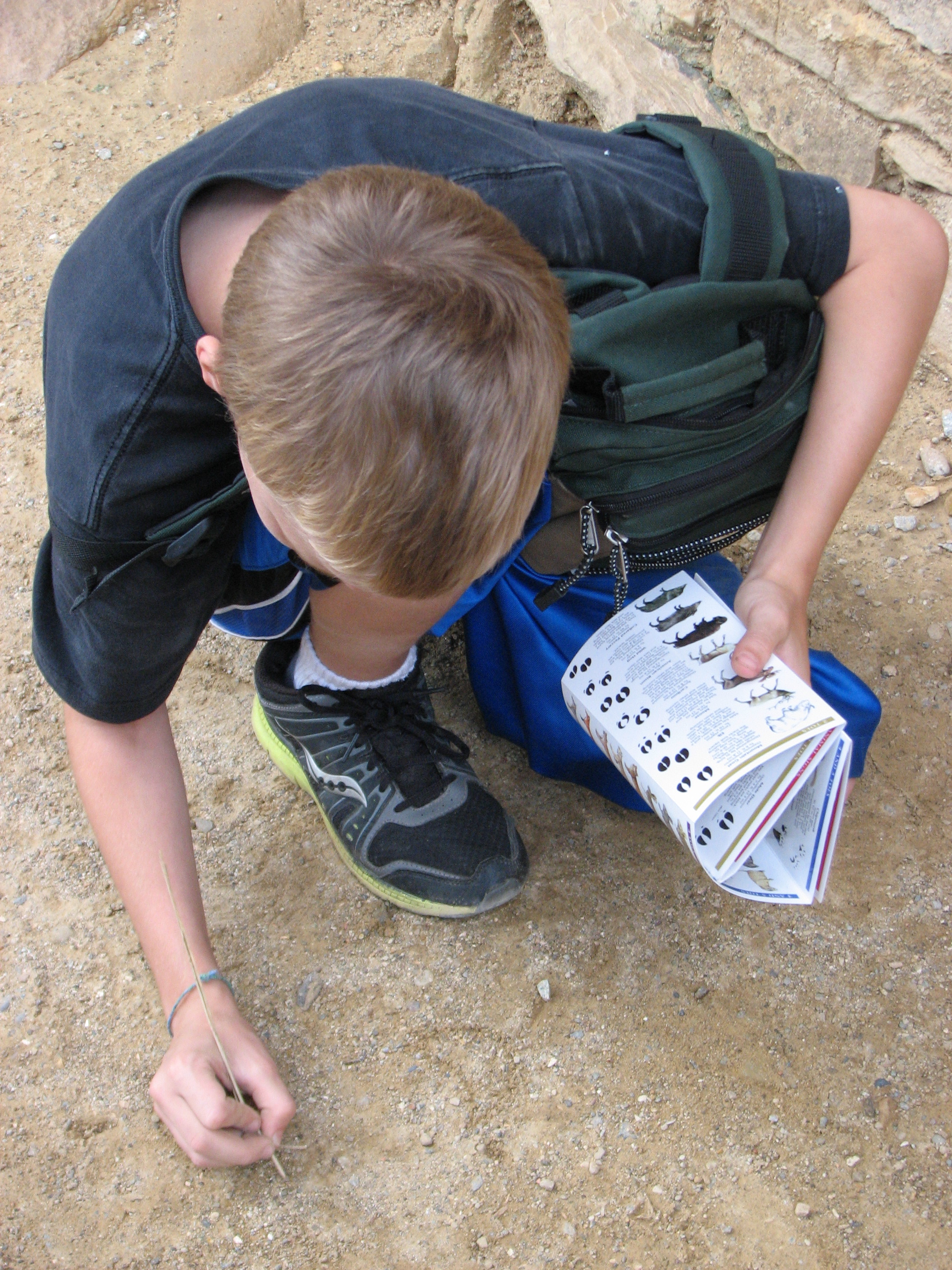
With a little time to kill before our tour, we stopped at the Chapin Mesa Museum because Aidan and Haley were working on a project. When we stopped at the Morefield Ranger Station the night before, we were impressed with Ranger Ali for several reasons. First, Aidan expressed interest in purchasing a wildlife tracks guide. He was going to use his own money, but Ali had an idea. “Just a second, she said. I have an idea for you.” Ali went in the back and brought out a cute little kid-sized backpack, a Junior Ranger Pack. She said we could sign out the backpack for the time that we were at the park (it only required my name and e-mail on a log sheet). Inside the backpack was everything a child at a National Park could want: binoculars, a map, and lots of hiking and tracking resources, including the wildlife tracks guide. Ali suggested that Aidan borrow the pack for a couple days, see if he wanted to keep the guide, and then purchase it if he did. What a terrific ranger! In addition, Ali offered Junior Ranger activity booklets to whomever wanted them. Haley and Aidan took them and immediately began working on them. The fun part was that, once they were completed, they were eligible to become Junior Rangers. They had lots of questions to answer and activities to complete that required us to go to various places in the Park, including the Museum.

There are three cliff-dwellings that require tour tickets: Long House, Cliff Palace and Balcony House. Long House lies along the walls of Rock Canyon, on the far side of Wetherill Mesa, so we didn’t make it over there. We had done some reading comparing the Cliff Palace and Balcony House tours on various travel web sites. There seem to be a lot of warnings from the National Park Service regarding safety on the tours, especially the Balcony House tour. However, previous visitors to the Park indicated that they had brought young children and done just fine on the Balcony House tour. Many people had also said that the Balcony House tour was significantly more interesting to kids because of the adventurous nature of the tour. We decided to go on the Balcony House tour, which is $3 per person. Even once the day was over, we were glad we’d done Balcony House, but partly for a different reason: it is not visible from the mesa. Cliff Palace, on the other hand, is easily visible from the mesa, so we got to see it from a distance.

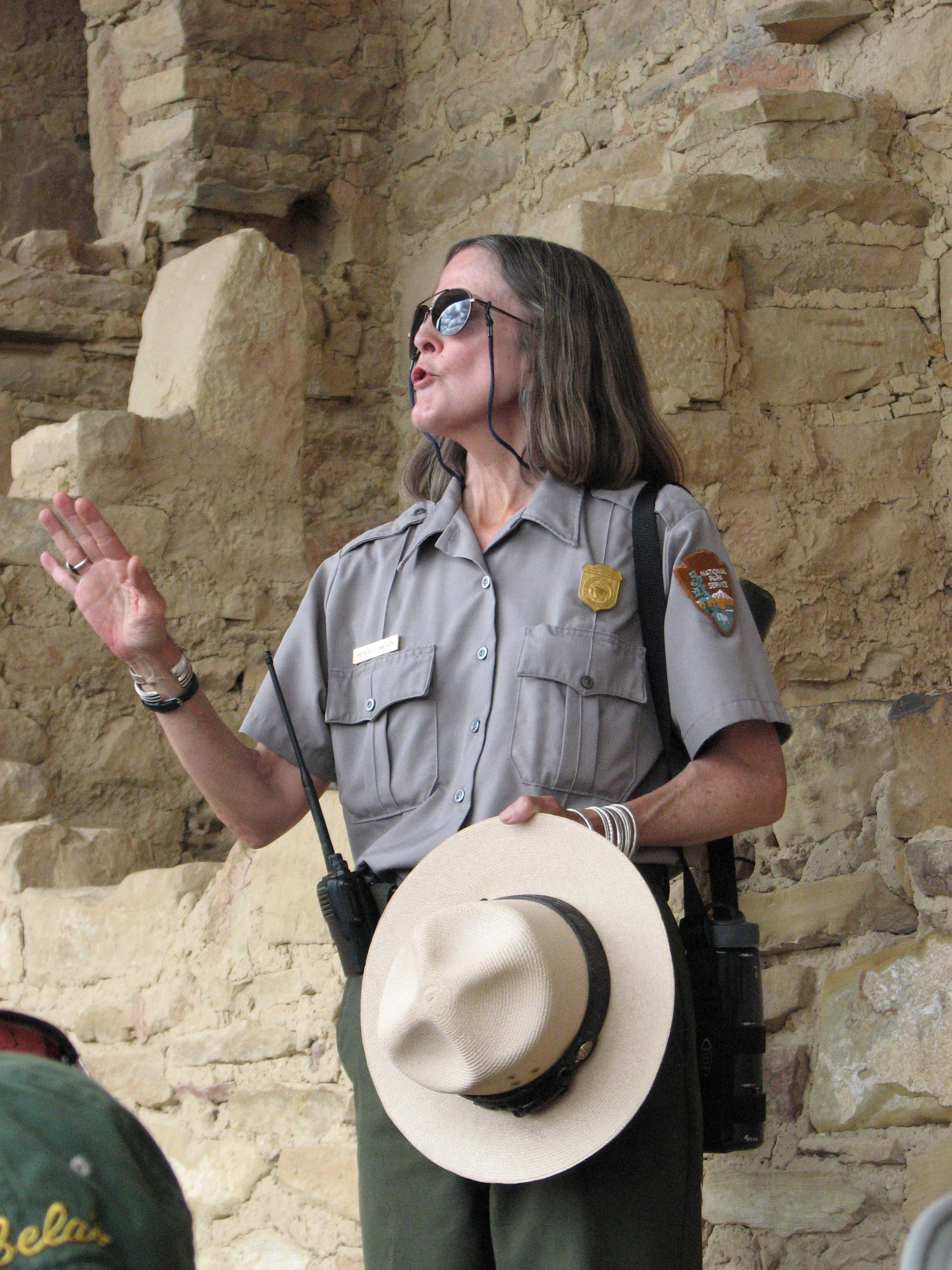
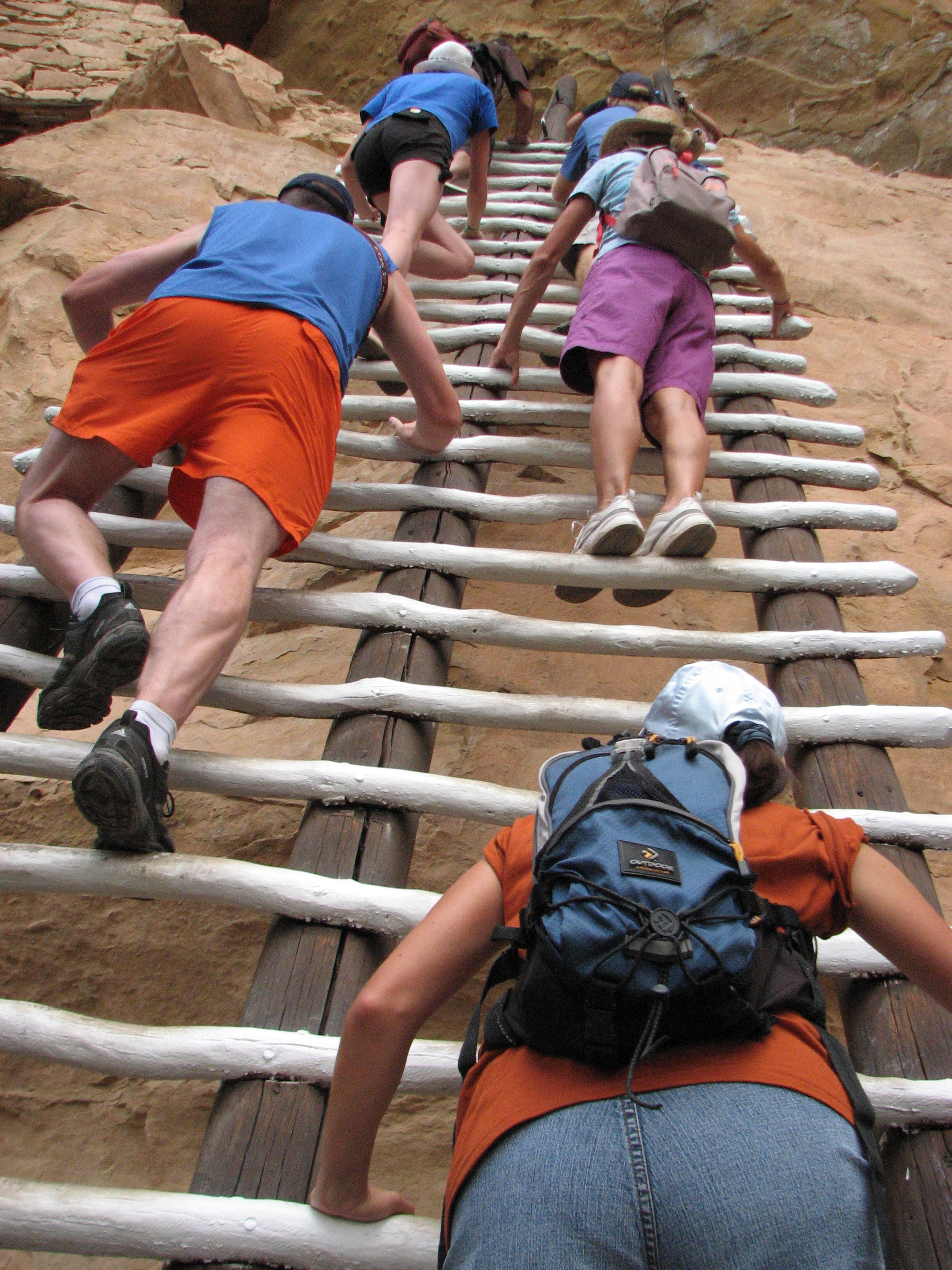
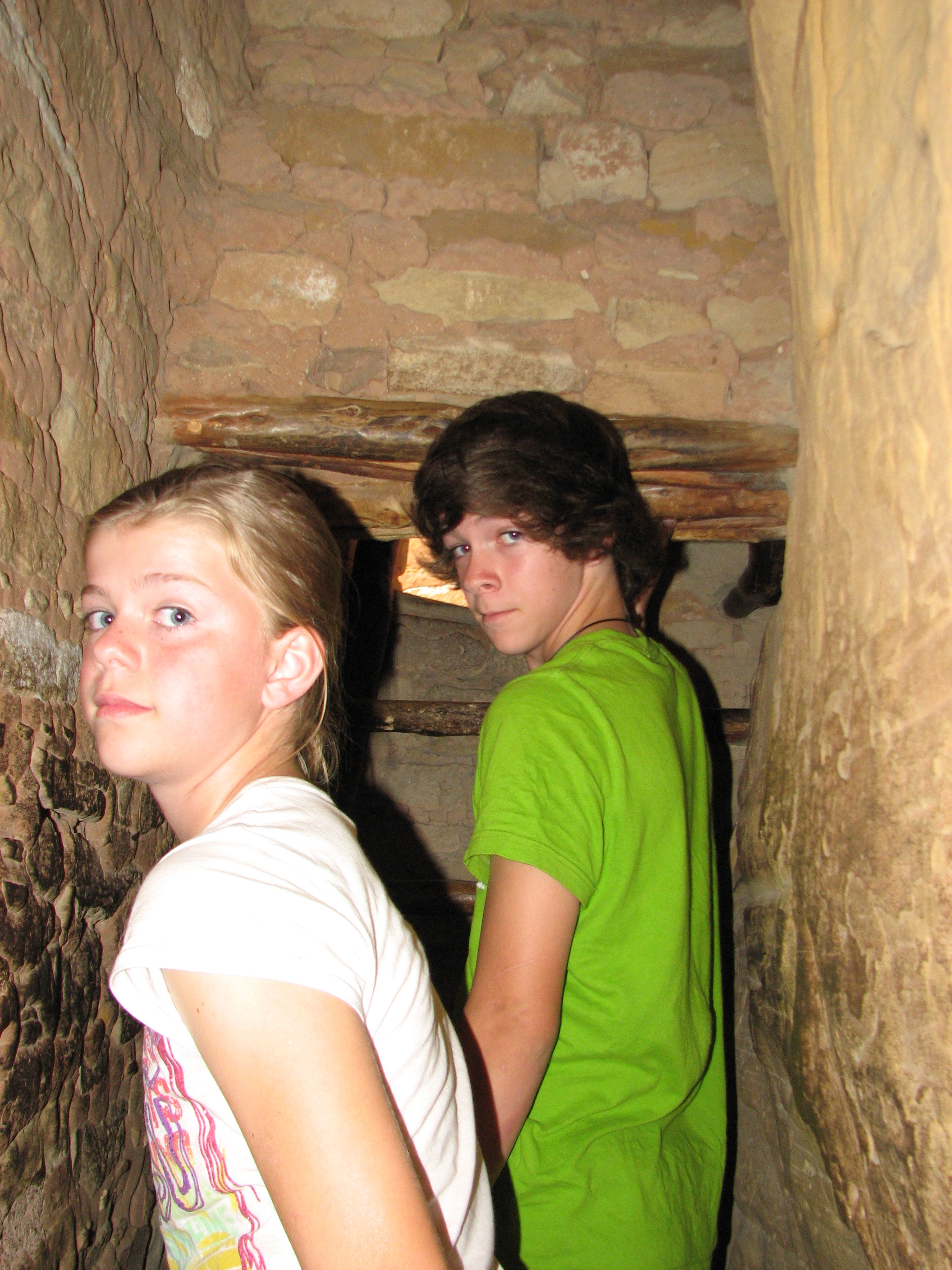
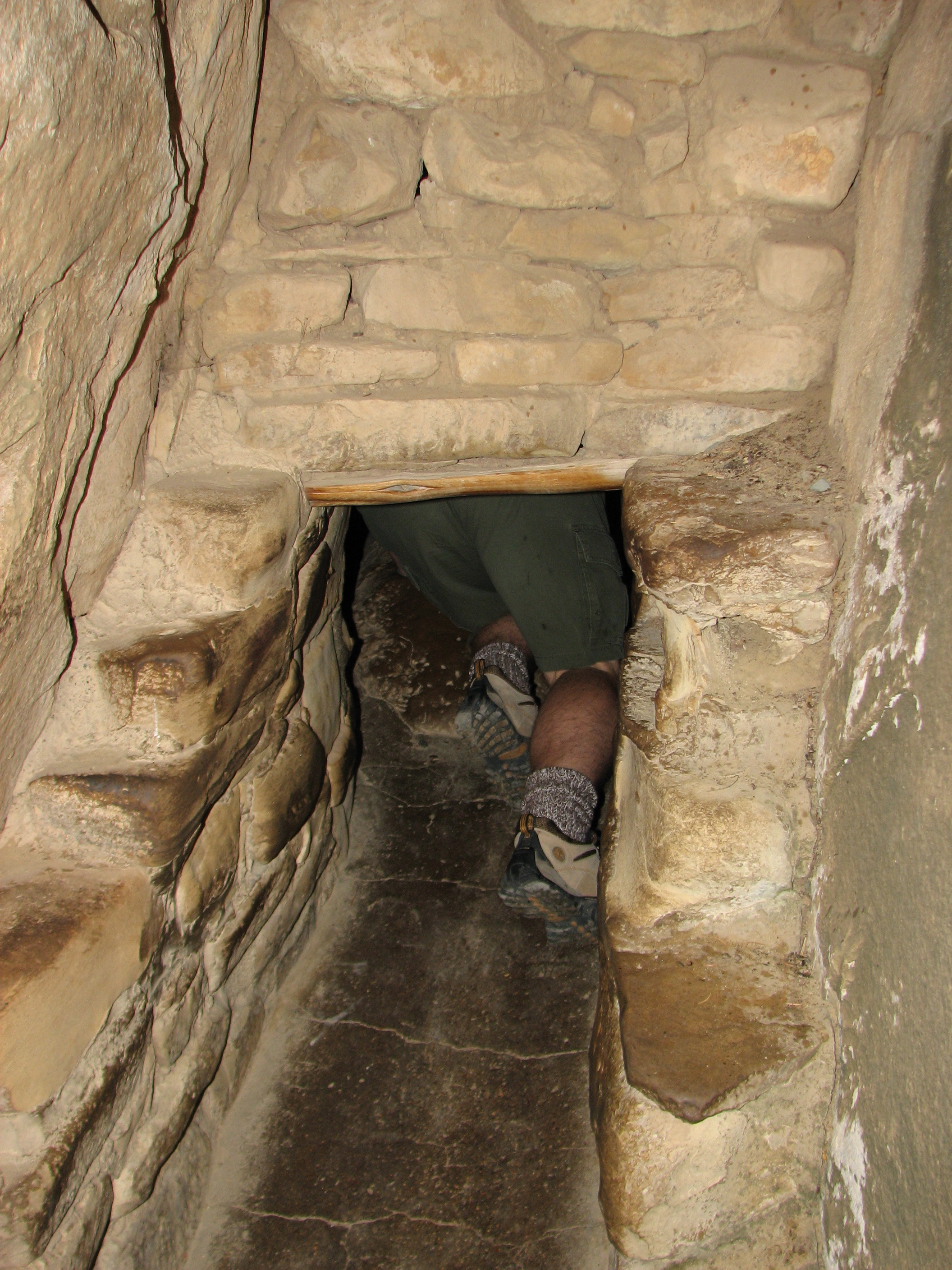
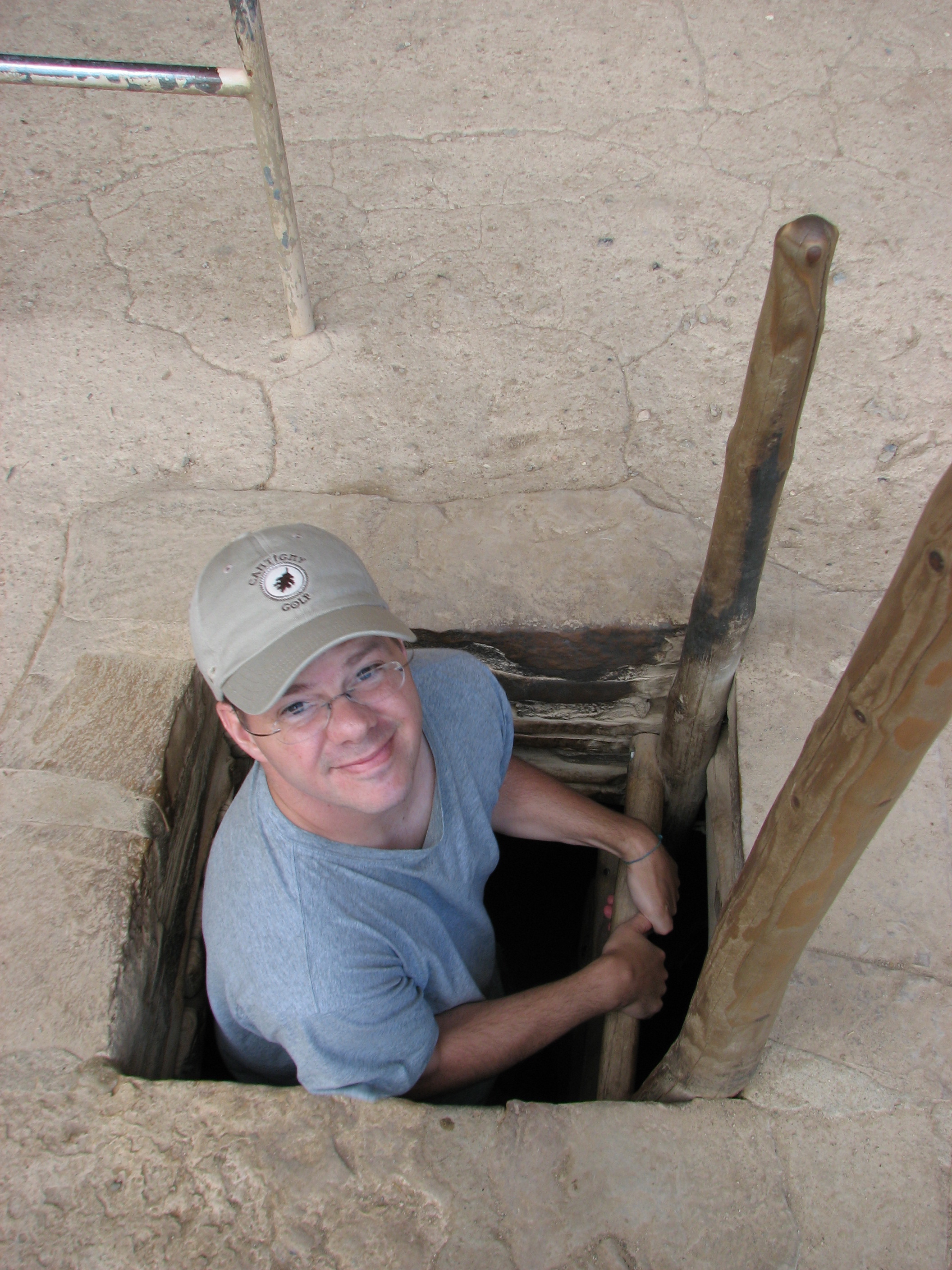
Balcony House’s “obstacles” are: a 31-step ladder to enter the dwelling, a tight squeeze at the entryway (18” across), and a crawling tunnel at the end (18” x 18” x 10′). Our guide, Wendell, taught us a lot about the Ancestral Puebloans, their daily lives, their culture and belief system, and how we know these things from their dwellings. The ladder was high, but not impossible. The two tunnels, including the crawling one, were very do-able for our family. We didn’t check this out, but apparently, there is a model of the crawling tunnel at the Visitors Center where you can test whether it will work for you. A few things struck us about the People on our tour: they were a lot smaller than us (women were less than 5′ and men were just a little taller); they were very nimble, scaling the cliffs and climbing regularly in their daily lives; and they lived in very close proximity to one another.

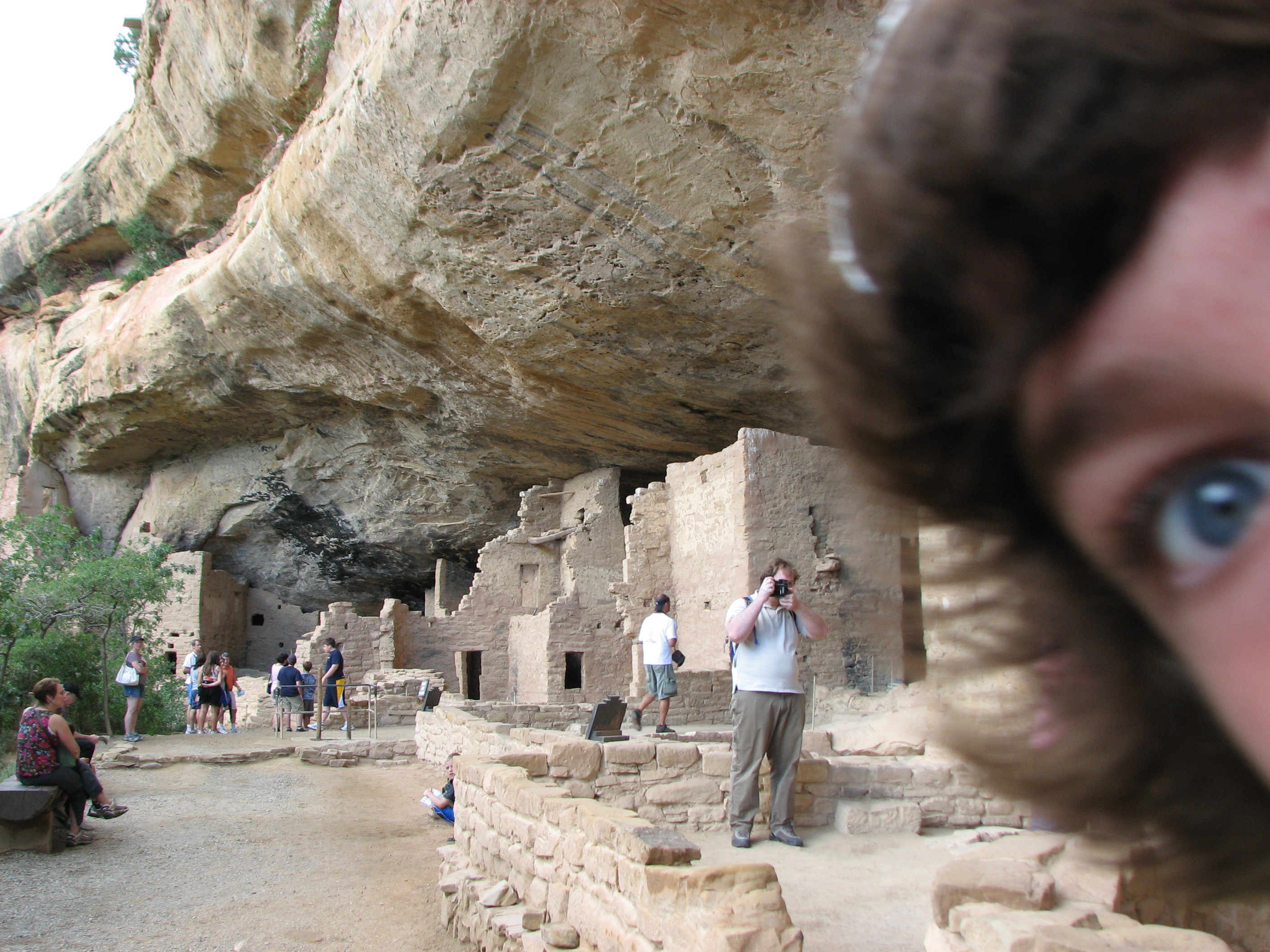
Our 2:30 Balcony House tour ended in a thunderstorm. Tour completed, we raced for the car, fairly drenched, and decided to drive around the Cliff Palace Loop a bit more, while we dried off. We were delighted to be able to see Cliff Palace from the overlook, even though we didn’t have tickets to tour. Cliff Palace is a much larger dwelling than Balcony House, so it is quite impressive, even from a distance. We left the Loop and headed back toward the Chapin House Museum area. We had lunch at Spruce Tree Terrace, right near the museum. It was a late lunch and very welcome. Haley made a quick purchase at the gift shop and we headed over to Spruce Tree House, one of the dwellings that does not require a ticket. Our friend, Graham Jackson, grew up in Colorado, and told me that he had taken school trips to Mesa Verde. What a cool school trip! Graham tweeted me that his favorite cliff-dwelling was Spruce Tree, primarily because you could tour it on your own. It was a must-see then. I would definitely tour Spruce Tree, if you have the time. It was fun to explore the dwelling and talk as we went, wondering about the people who had lived there.

After the Spruce Tree House, we drove around the Mesa Top Loop to get some final answers for Haley and Aidan’s Junior Ranger activity books. This is where we saw the pithouses, mesa top villages, and a sun temple and put together the full history of the Ancestral Puebloans. The Park’s map identifies the overlooks and short trails to walk to. The signs at the sites are very informative and give a good sense of the history and culture. We were glad we did this driving loop, hopping in and out of the car several times. It gave us a fuller picture of the People who had lived in this area.

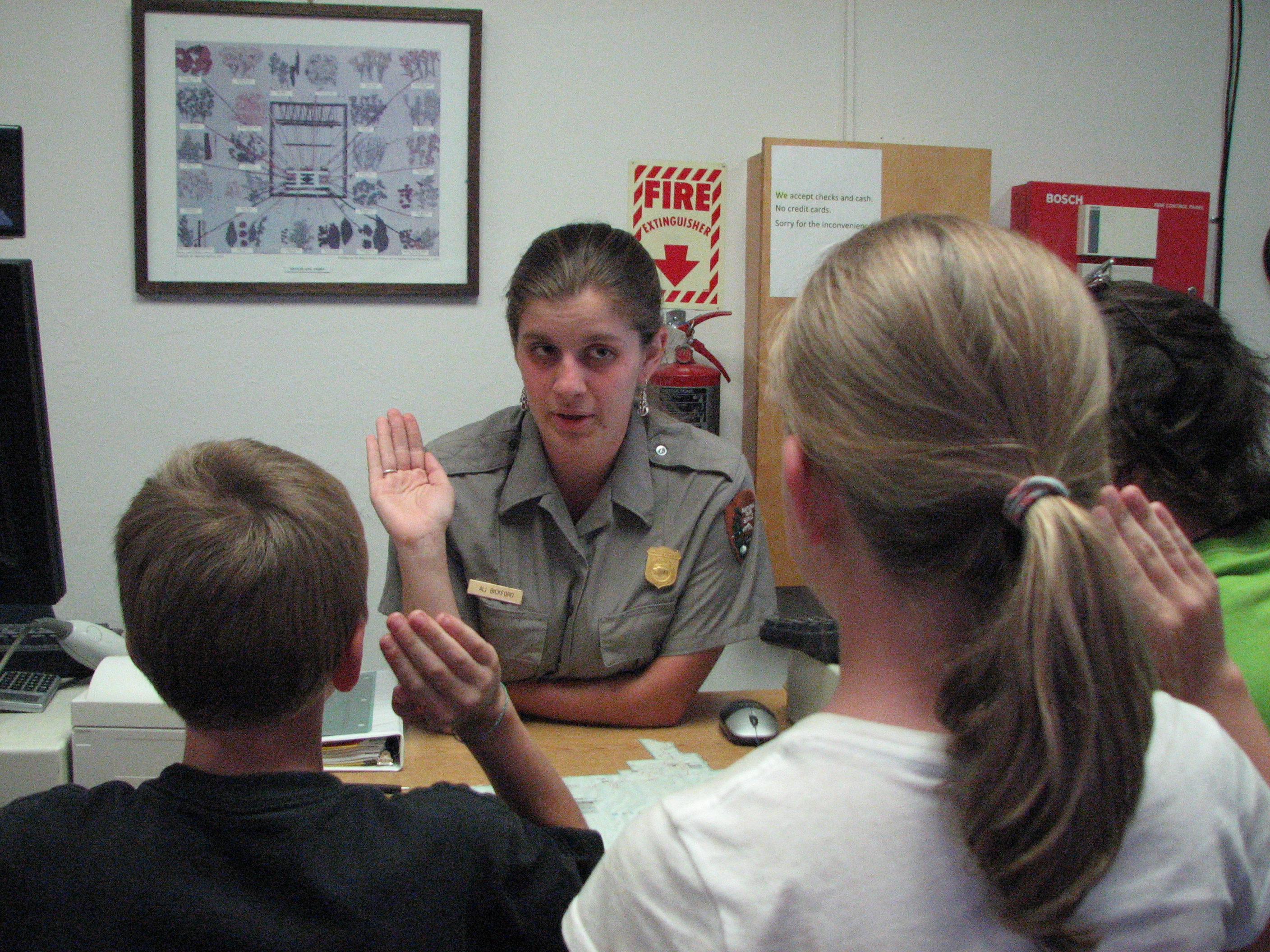
We had one final task at Mesa Verde National Park. Haley and Aidan had completed their Junior Ranger activity books and were eligible to become Junior Rangers. We timed our exit from the park to arrive back at the Morefield Ranger Station before 8:30 pm, closing time. We were delighted to find Ranger Ali working again that evening. She reviewed Haley and Aidan’s answers in their activity books and swore them in as Junior Rangers. Having promised to take care of national parks by staying on the trail and not picking wildflowers, they each received a badge to certify their new role. If you are traveling with children to Mesa Verde, absolutely ask for the Junior Ranger information. They kids had a lot of fun with it and definitely learned a lot more than they would have without the activity book to guide them.

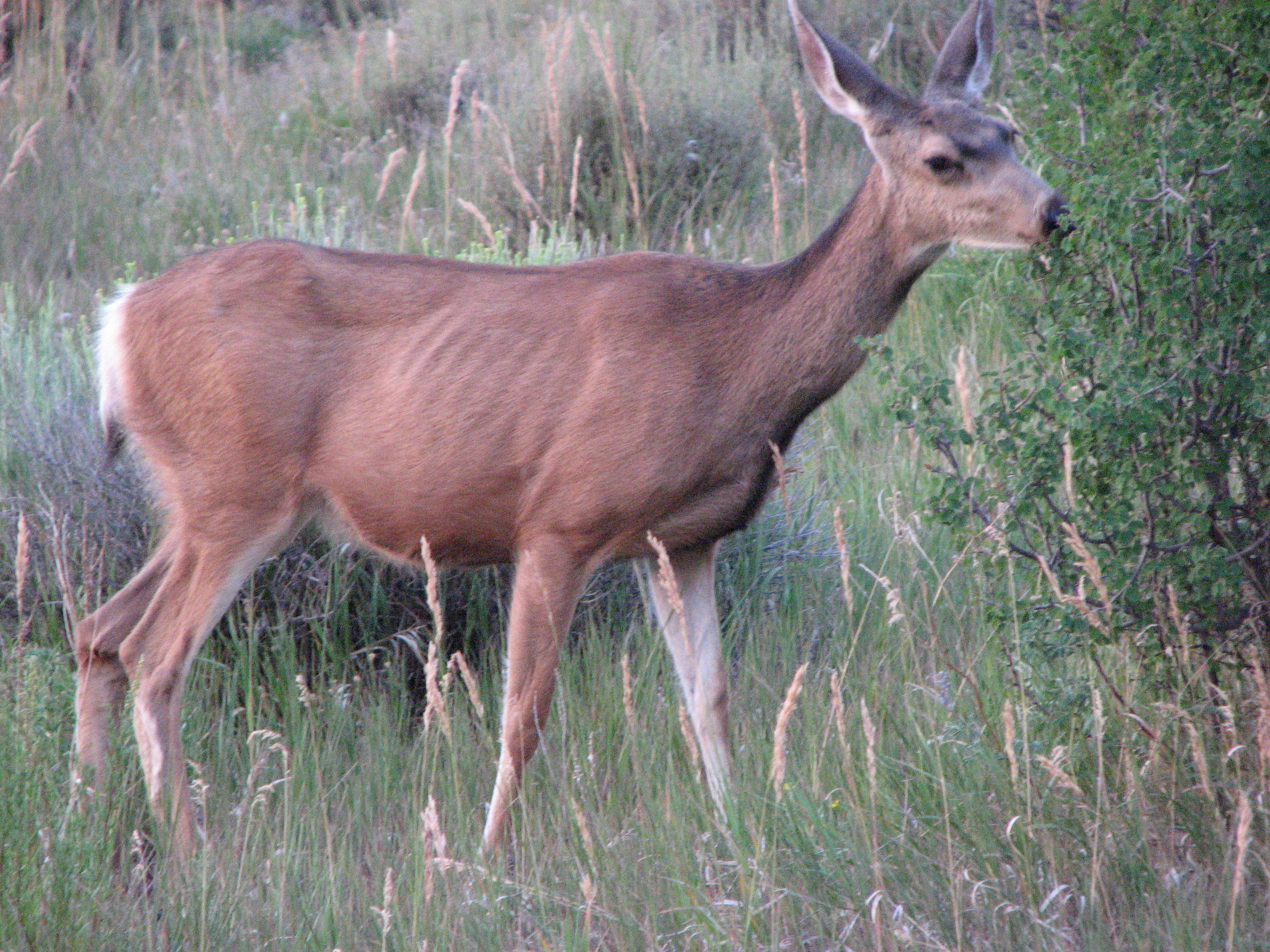
As we left the Morefield Ranger Station, we were greeted by two mule deer, nibbling on bushes nearby. They casually watched us as we snapped a few pictures of them. It has been amazing to see how comfortable the wildlife is with people at national parks.

We decided to head back into Cortez for dinner again. Though we really enjoyed Tequila’s the night before, we decided to try a different restaurant. Ali had recommended Lotsa Pasta Thatza Pizza, but unfortunately, it was closed on Sunday nights. We ended up closing down J.Fargo’s, a micro-brewery & restaurant. Kylie from Oregon was a terrific waitress, serving us burgers, a Navajo Taco and pasta, as well as a delicious brownie sundae to share for dessert. She even let us know that because we were staying at a hotel nearby, she could give us 10% off of our bill. Now, that’s service!

We drove back to Dolores, to the Rio Grande, having enjoyed learning all about the Ancestral Puebloans. My head sure felt full of new information.

Posted in Uncategorized | 2 Comments

Day 14: The Grand Canyon to Mesa Verde

One final wake-up to a quiet hotel room at Yavapai Lodge. We enjoyed our stay there. It was hard to get a read on this Lodge. There were aspects that weren’t that well cared for or were done on the cheap (e.g. poorly fitting clock radio plug, tons of tiny dead gnats in the bathroom, no trash bags in the room’s wastebaskets), but the room was “well-appointed,” with attractive comforters and furniture. I have a theory, but I’m unsure about it. Xanterra is a park management service that has begun to manage park services (lodging, food service) at several national parks. We’ve been to a few of them. I’m not certain when Xanterra took over, but I wonder if the infrastructure of the lodging at the Grand Canyon is old and basic, but Xanterra came in and re-appointed everything, putting in new carpet and furniture and such. Interesting thought. I would stay at Yavapai again.

The kids knocked on our hotel room door at 7:15 am promptly. We had hoped that they might just drop right back to sleep, but that was just wishful thinking. They did manage to work quietly on the computer for another hour to give us a bit more sleep, but we got up and going by 8:15 and out the door, car packed, by 10:15. Even after two weeks, it remains amazing to me that it actually takes us two hours to get out the door. But it does.

We decided to try the cafeteria in the Yavapai Lodge building (the hotel rooms themselves are motel-style and separate from the main Lodge). Fortunately, we found that breakfast was served until 11:00. We all found good breakfast items to eat and sat in a lovely sunny room with a glass roof, off to the side. We sat among families who were all speaking French. Again. I’m thinking there must have been some amazing marketing to French media this year, or perhaps some good airfare or something. It is fascinating how many French-speaking families we are encountering.

Bellies full, we headed on our way to Mesa Verde, which lies in southwestern Colorado. This may be the park we know the least about. I researched a bit along the way, but didn’t have consistent cell reception, so we still didn’t have much information when we arrived at our next lodging, the Rio Grande Southern Bed & Breakfast and Hotel. When I made our lodging reservations for this trip, I told Hal and the kids that there was quite a variety. The next two nights would be an example of that variety. The kids have never stayed at a B&B, and Hal and I only two or three times. We’re actually not big fans of B&Bs. I think it’s something about our generally introverted natures, but we kind of like the anonymity of hotels. It’s not necessarily a good thing about us, but it we tend to prefer to get our key and be left to ourselves, with not much chit-chat. That doesn’t really happen at Bed & Breakfasts. There’s a lot more chatting going on.

There is a campground inside Mesa Verde National Park, as well as a Lodge, but the Lodge was full and, as previously mentioned, we’re not really campers . . . or at least Hal isn’t . . . and we definitely didn’t come prepared to camp on this trip. Looking outside the Park, there are two main towns nearby: Cortez and Dolores. There are a few chain hotels (Best Western, Days Inn), but I had been intrigued by the Rio Grande and called the owner a couple months ago, despite the fact that she doesn’t do on-line reservations. I don’t do much of anything that doesn’t permit on-line transactions, so I’m not sure precisely what led me to make this phone call. Sheila was chatty on the phone, and for some reason, I uncharacteristically chatted right back. I told her our plans (Mesa Verde) and who would be traveling with me (husband, three kids). She told me she had just the perfect set-up for us: two rooms adjoined by a bathroom, with a Queen in one and two Fulls in the other. She was right; it was perfect for us. And the price was right; it was less expensive than a Double Queen at the Days Inn would have been, and that wouldn’t even have quite fit our family.

We pulled up to the Rio Grande in the late afternoon. Dolores looks like it used to be an old western town, but now is just a bit run-down. Non-functioning railway station. Bar across the street. Gas station next door. Only a few cars on the streets. I walked into the dusty living room of this turn-of-the-century home (that’s what you do at B&Bs . . . you are essentially walking into the living room), and before I had taken two steps, I almost stepped on the most adorable little puppy, a miniature Schnauzer-Dachsund mix, as it turns out, whose name was Winnie. She is 8 weeks old and belongs to the guy who was manning the front desk (while simultaneously watching TV in the living room). The “lobby” was disorganized and cluttered, full of DVDs guests can borrow and magazines from the past several years. I think Winnie’s owner may be Don, Sheila’s co-owner. He showed me up to our rooms and showed me around. I retrieved Hal and the kids and we moved all our stuff up to the rooms.

The kids were smitten . . . with Winnie . . . who joined us upstairs in our rooms. This may be their favorite lodging so far because it comes with its own puppy.

We quickly noticed that there is both 3G cell service, as well as wifi in the Rio Grande, so for the first time in quite a while, we had good access to internet data. I took the opportunity to figure out a few things about Mesa Verde, as well as to find a restaurant for dinner. I decided to head over to Mesa Verde because, we discovered, some of the tours require tickets and they are available up to two days in advance, so we could purchase the night before. We entered the Park, confirmed where we could get the tickets at 8:00 pm, and drove 4 miles into the Park to the Morefield Ranger Station, right next to the campground. After much deliberation, we purchased tickets at $3 per person for the guided tour at Balcony House for 2:30 pm the next afternoon. I was very glad that we stopped by the Park. We now had a map and the newspaper, along with tickets for our tour. This would give us a good start in the morning.

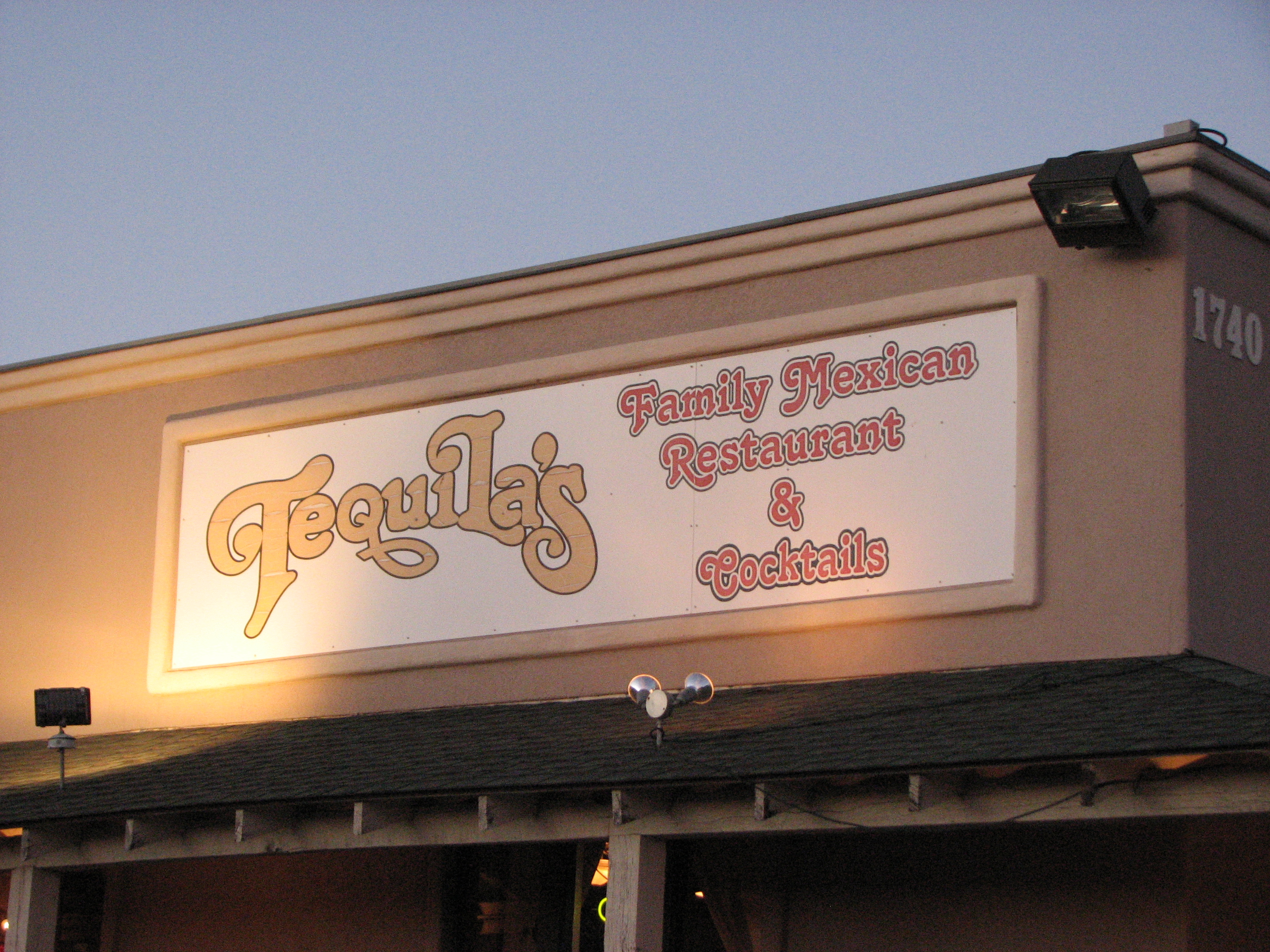
TripAdvisor had led us to a restaurant in Cortez for dinner. Sheila, the owner of the Rio Grande, had confirmed that where we were headed was her favorite local Mexican restaurant. Tequila’s Mexican Restaurant was a terrific, authentic Mexican restaurant. All the wait staff spoke Spanish and at least half the families in the restaurant were speaking Spanish to one another. Perhaps it was a set-up, but it sure made it feel like we were having an authentic southwest meal. The food was excellent. The portions were perfect, not too big. The strawberry margarita was delicious, and the fried ice cream topped off the meal. The prices were excellent too. If you’re in the Cortez area, definitely check out Tequila’s. We were impressed.

Posted in Uncategorized | 2 Comments

Day 13: The Grand Canyon

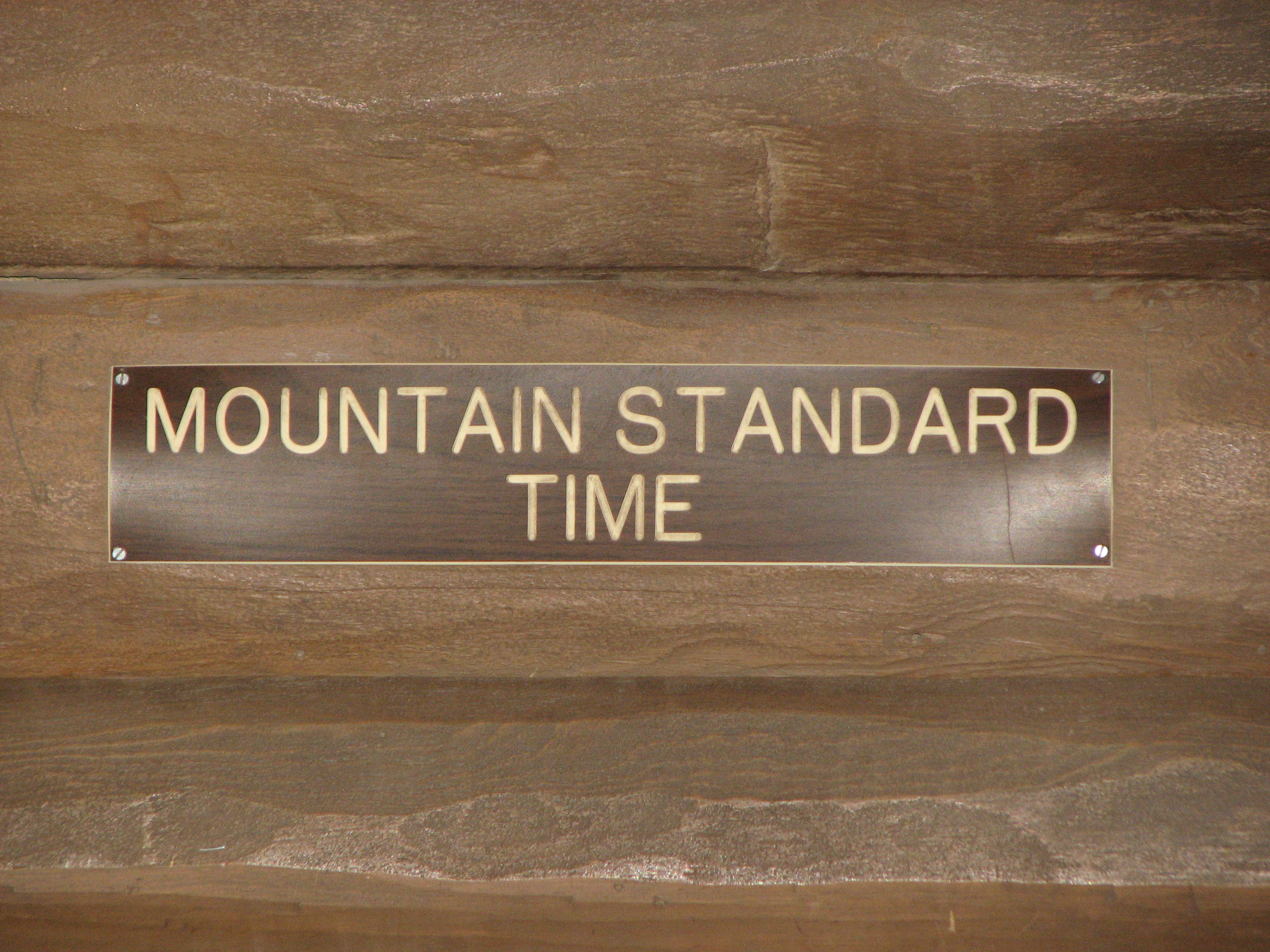
After waking in the same hotel room with our children for 11 days straight, it was strange to wake up without them. We’d been given “permission” from Rebecca and Dave to arrive at the campsite by 10:00, but we had an interesting dilemma on our hands, one that will be important to you if you visit the Grand Canyon. To tell this story, I need to go back to the night before when we noticed a sign in the lobby of the Bright Angel Lodge. The sign led to quite a long discussion amongst our Central & Pacific Time Zone crowd regarding the inappropriate use of the term “Standard.” Both Hal and Rebecca find that, in business settings, it is very common for people to use the term “Standard,” as in “Central Standard Time” or “Pacific Standard Time” when it is actually “Daylight Time.” Hal commented that it’s almost as if people don’t know that “Standard” expressly means non-Daylight. We lamented the thoughtlessness of business-people not recognizing the most basic issues of chronology, especially when communicating with people from multiple time zones, as Hal and Rebecca do regularly for work. Hal even showed us a work e-mail that referenced an e-mail that was sent recently from Oakbrook, Illinois at a certain time, CST. I commented that it seemed a little silly to have the sign permanently installed like that; Standard is clearly a part-of-the-year occurrence, so why would the sign be permanent.

This whole situation reminds me of how challenging it is for human beings to change their perspective on the world and how it works. We are much more likely to assume all sorts of accidental occurrences or aberrations or coincidences than to completely modify our world view, or even our theories about daily occurrences. Here is the evidence we had to work with:

  • Rebecca’s phone was still on the time at home (Los Angeles).
  • Permanently installed sign in the lobby said “Mountain Standard Time.”
  • The Bright Angel Restaurant was very busy at what we thought was 9:00 pm.
  • The Mather Campground was very much awake, with campfires going and lots of bathhouse activity at what we thought was 11:00 pm.

And finally, the data that led us to put all these pieces together: the clock radio in our hotel room said 10:15 pm at what we thought was 11:15 pm. Ironically, I almost wrote that off as the clock just being wrong. I thought it was more like 11:05 pm, so I figured the clock was just altogether incorrect. Even more ironically, we soon discovered that the clock radio was only precariously perched in its outlet. The entire time we were at Yavapai, the clock plug kept popping in and out of the outlet. I think I reset it three times, re-arranging the mattress and boxspring to attempt to wedge the plug in the outlet. So, half the time we were in this room, it was flashing 12:00. The other half, it was mostly off and only occasionally correct (for the few moments after I reset it). This makes it particularly odd that it was this clock radio that finally set us straight:

Arizona does not do Daylight Savings Time.

Arizona is always on Mountain Standard Time.

Well, the Navajo Nation in northeastern Arizona observes Daylight Savings Time.

But mostly, Arizona is always on Mountain Standard Time.

Hence the unchanged cell phone. Hence the busy restaurant. Hence the busy campgrounds. Hence the permanently installed sign in the lobby of one of the oldest National Park Lodges in the nation.

Once we figured it out, instead of multiple data points being oddly inconsistent with what we believed to be true, we were left with only one out-of-sorts data point: our car clock (which normally changes automatically when crossing between time zones) never changed from Mountain Daylight Time that we’d been in since Wyoming. I am unsure where the Odyssey navigation system is getting its data, but that is the only thing that was incorrect. Even my cell phone changed to MST once it got sufficient coverage to gather its data.

Back to our dilemma: Hal and I had figured out the night before that we were in MST, not MDT. Last we knew, Rebecca and Dave were thinking MDT, so should we boldly take the extra hour granted to us by Arizona’s time zone choices, or should we proceed on the time zone that we had previously agreed that we were in? Time, being a human construct, is really all about what agree to be true, isn’t it? So, did it most matter that we were in agreement with the majority of those in the community within which we were temporarily residing, or did it matter more that we were functioning in accord with the people with whom we were making arrangements, the people who had, in fact, taken responsibility for our children?

Recognizing that our children like their sleep and hoping that Rebecca and Dave would understand our choosing majority agreed-upon reality, we took the extra hour. Hal had noticed that the Bright Angel Lounge, a bar at night, magically transformed into the Bright Angel Coffee House, aka the Canyon Coffee House from 5:00 – 10:00 am. They serve a continental breakfast, which is really more our style than pancakes and bacon. Hal and I headed to the Coffee House and discovered yogurt and fruit and bagels and packaged coffeecake and coffee and tea and fresh-squeezed orange juice, all laid out on the bar of the Lounge. An excellent use of space not normally used in the morning hours. I guess they figure no one really needs a beer before 10:00.

It has been interesting to get the lay of the land in each of the locations where we’ve stopped. We found the map inside the Grand Canyon newspaper to be much more useful than the map they also handed out at the gate, because it laid out the most important aspects for us: roads, hotels, campgrounds, food services, and buses. Yes, buses. Our experience on this day was a combination of rural canyon hiking and very full (almost urban) bus-riding. While Zion’s shuttle buses started running in 2000, the Grand Canyon’s started in 1974. Hal and I were here about 15 years ago and I don’t remember riding the buses, but they were clearly the recommended form of transportation around the Park. They were quite a different experience than in Zion, however. Rather than every 7-10 minutes (but often every 5), the Grand Canyon buses are marketed as every 15 minutes, but often seemed longer. The buses were very crowded. Very. Many of our rides were standing. Our waits were long and hot. Bottom line: they need more buses. My sister, who works for the GAO (Government Accountability Office) thought that the counters the drivers were using for passengers might eventually lead to justifying more buses. Let’s hope so.

While we had a wonderful time at the Grand Canyon and I think everyone should see it at least once I their life, there were some distinctives about our time there that are less than ideal. There seem to be a lot more smokers at the Grand Canyon. Looking out over this amazing, gorgeous canyon, 10 miles across as the crow flies, but 215 miles by road, a mile deep and 277 river miles long, you very likely would be standing next to a smoking tourist. Ugh! There also seems not be enough indoor locations near the rim for sitting and resting and cooling down. The evening hours were beautiful, but the heat of the day was, well, hot. While I don’t consider myself an expert on national parks, we have certainly experienced our share of them this summer and indoor locations seemed to be missing at the Grand Canyon. In addition, there seemed to be very little casual dining options. Beyond the tiny, little luncheonette that also served ice cream, there only seemed to be waitress-service restaurants. Maybe that’s the way to get in out of the heat. It sure would have been nice to have more places to get a sandwich, though. And speaking of the luncheonette, the line was enormous. The Bright Angel information seems to call this the Bright Angel Fountain on the web site. They seem to be having branding challenges; all the signage on location calls it the “Luncheonette.” There is a market here for more casual dining options: a deli, perhaps, with some outdoor, shaded seating. People want it and they aren’t getting it. At other parks, we saw evidence of management making wise decisions regarding serving and moving crowds. At the Grand Canyon, we saw lots of people providing services, but few who seemed authorized to make decisions and to change systems to more effectively serve the people. I’m not sure what that’s all about, but it was interesting to observe.

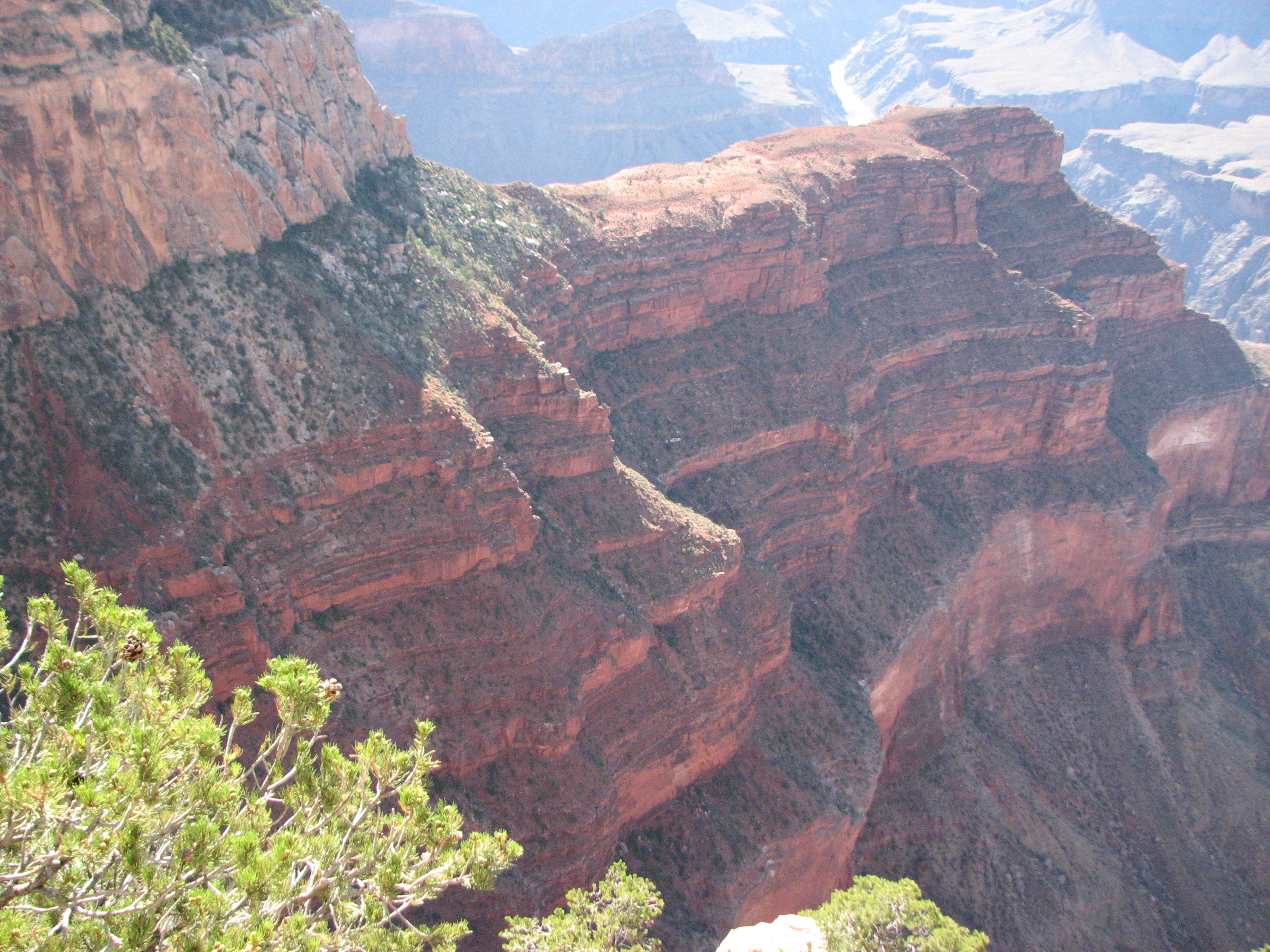
Partly because we had a sleeping baby on Dave’s back (which made hopping in and out of a car difficult), and partly because we found parking challenging in some locations, we decided to take advantage of the bus system. While it was certainly crowded and insufficiently frequent, the buses went to interesting places, some of which do not allow cars. There is a purple line that runs “into town,” that is, to the IMAX and fast food. We didn’t head out this direction, though Austin wondered if Deathly Hallows might be playing. An orange line runs along the rim, to the east. The blue line essentially runs internally, between and among the park services (hotels, food services, campground). And the red line runs west from Bright Angel Lodge to Hermit’s Rest, an area where cars aren’t allowed. We brought the van back to our hotel, after picking up Dave, Rebecca, Gray and the kids (no worse for the wear, not upset about our hour-later arrival, still thinking it was Mountain Daylight Time). In fact, the kids were washing breakfast dishes when we arrived: an excellent aspect of raising kids to camp! We left the van at the hotel and caught the blue line to the Visitors Center. From there, we hiked along the rim, from Mather Point to Yavapai Point, a 0.7 mile hike on entirely paved path. The views are beautiful, offering glimpses of Phantom Ranch at the bottom, along the Colorado River. At Yavapai, we hopped on the orange line, taking it back to the Visitors Center. The blue line took us over to Bright Angel Lodge, where we lunched at the luncheonette (long lines and all).

Before lunch, I wasn’t sure we’d want to do much more that day. I’m telling you, it was hot. And the buses were crowded. But it’s amazing what a bottle of cold water, an egg salad sandwich, and an hour of resting in the shade can do for a family. We walked a little further west on the rim after lunch, hiking a short way down the Bright Angel Trail, just to say we hiked into the Canyon. We were hoping to see some of the mules coming up for the day, but didn’t manage that. If we’d planned better, we might have asked when they tend to make their way up. There are two day-rides that go each day, I believe. I imagine their arrivals are fairly predictable and it would have been fun to see the mules coming up the trail. Some day, I’d like to ride down into the Canyon and stay overnight at Phantom Ranch. Reservations are required and are often taken even a year in advance. Everyone in your party needs to be 4’7” and I’m not sure we’re quite there yet, but maybe some day soon.

Just past the Bright Angel Trailhead (the Grand Canyon’s most famous trail), we waited for the red line bus to take us toward Hermit’s Rest. Watch the stops carefully. Heading west (out), the red line stops at all stops. Heading east (back), it only stops at three of those stops. We got off at Hopi Point and hiked along the rim the 0.3 miles back to Powell Point. We found this, as advertised, a beautiful trail (partly paved, partly not) with a lot less foot traffic than the rim by Bright Angel Lodge or Yavapai Point.

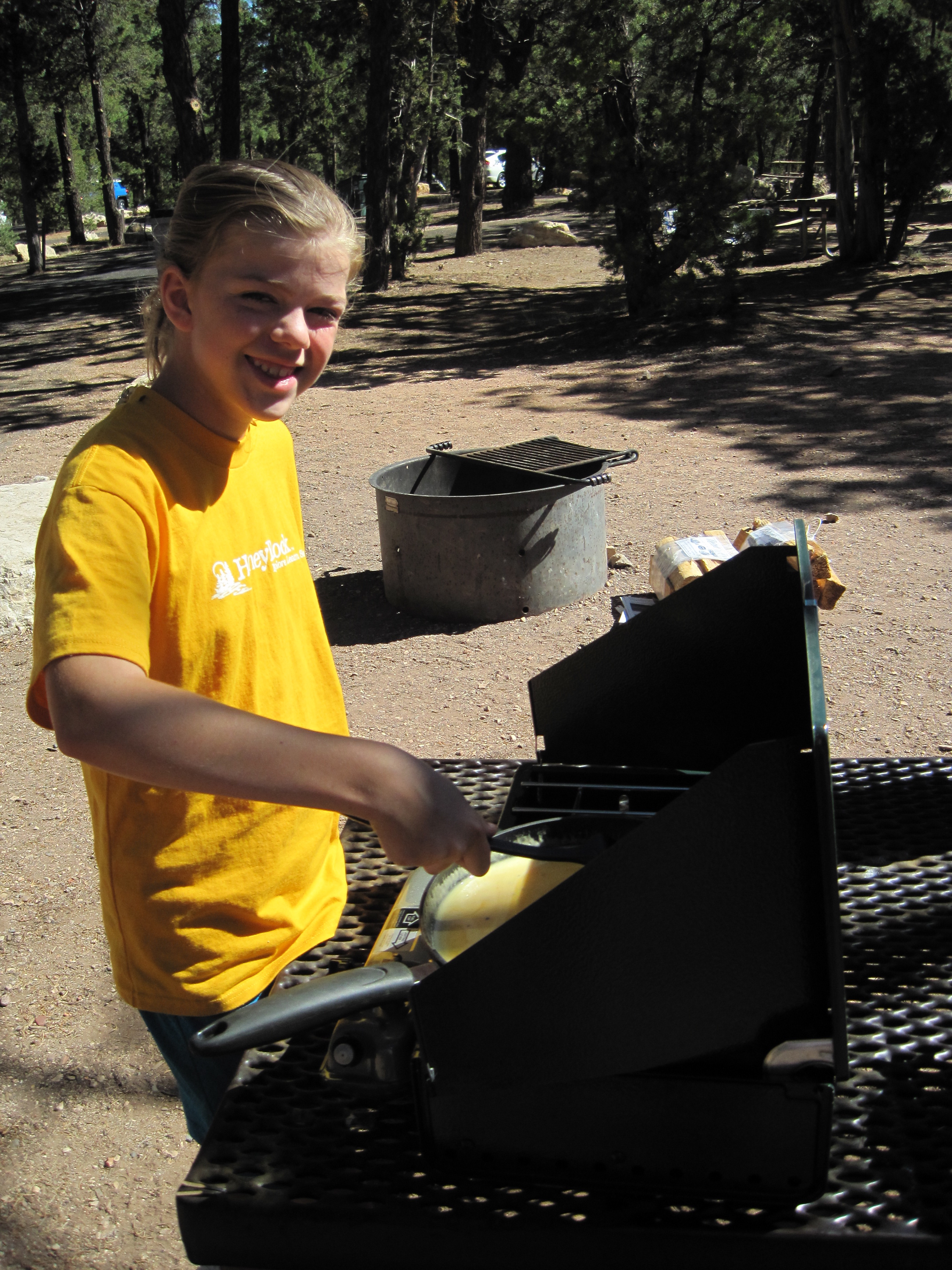
At this point, it was 5:30 pm, and our family had plans for a cook-out, so we headed back to the campsite (with a stop in the hotel for a few kid showers). Rebecca and Dave had suggested that we cook out at their campsite one night, so they provided the hot dogs and s’mores and fixings for a wonderful campsite meal. It was 8:30 pm by the time we got started, so the stars starting coming out by the time we were making s’mores. There is nothing like cooking hotdogs over a campfire grill, eating outside, and enjoying s’mores over an open fire with family, the deep Arizona night sky visible through the trees above you.

The kids opted for one more night at the campsite, even though it involved getting up at 6:00 am (Mountain Standard Time, of course) so that Dave and Rebecca could break down their camp and be on the road by 7:00 pm to head back to California. These kids seem to have enjoyed camping!

Posted in Uncategorized | 3 Comments

Day 12: Zion to the Grand Canyon

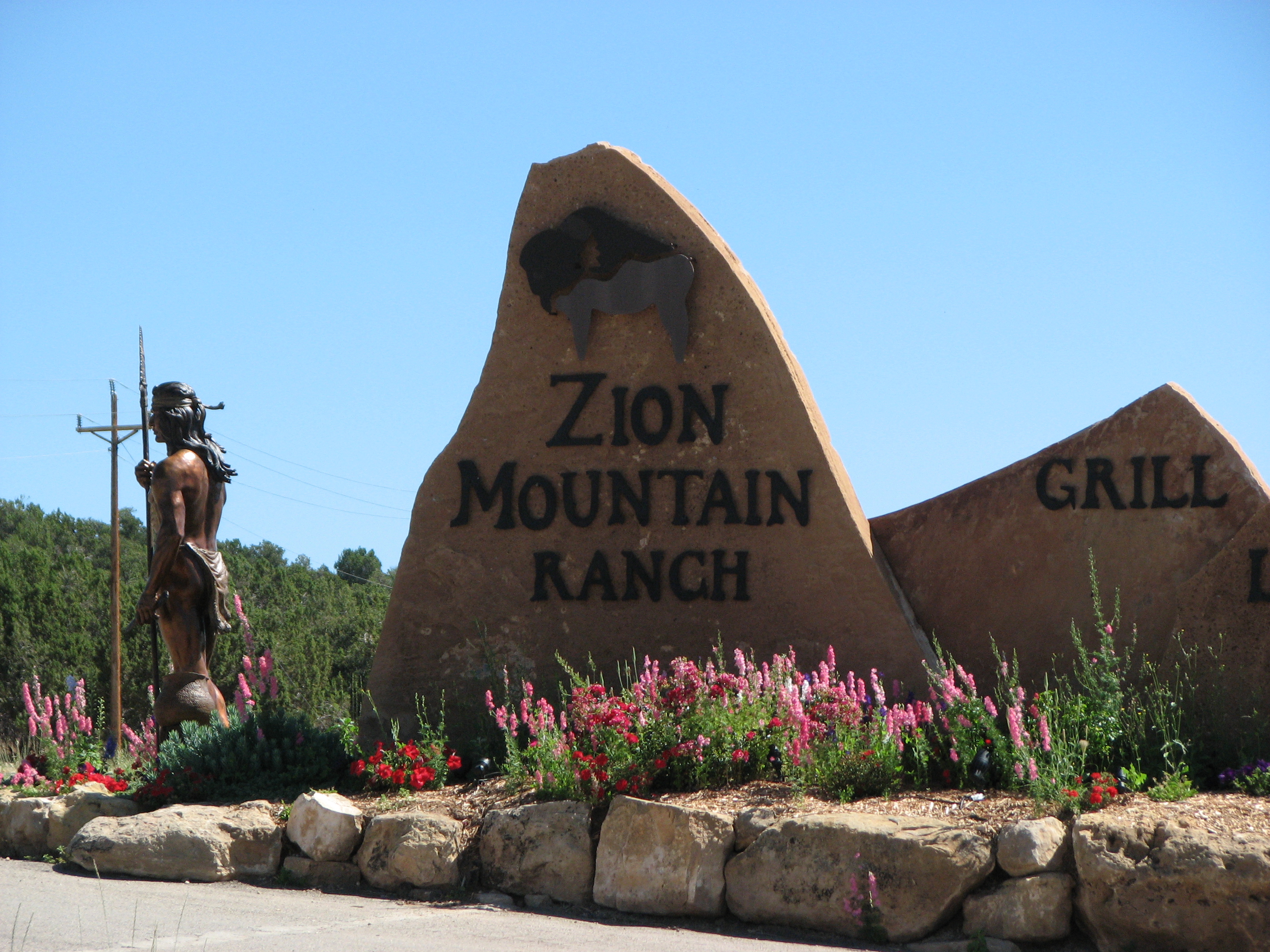
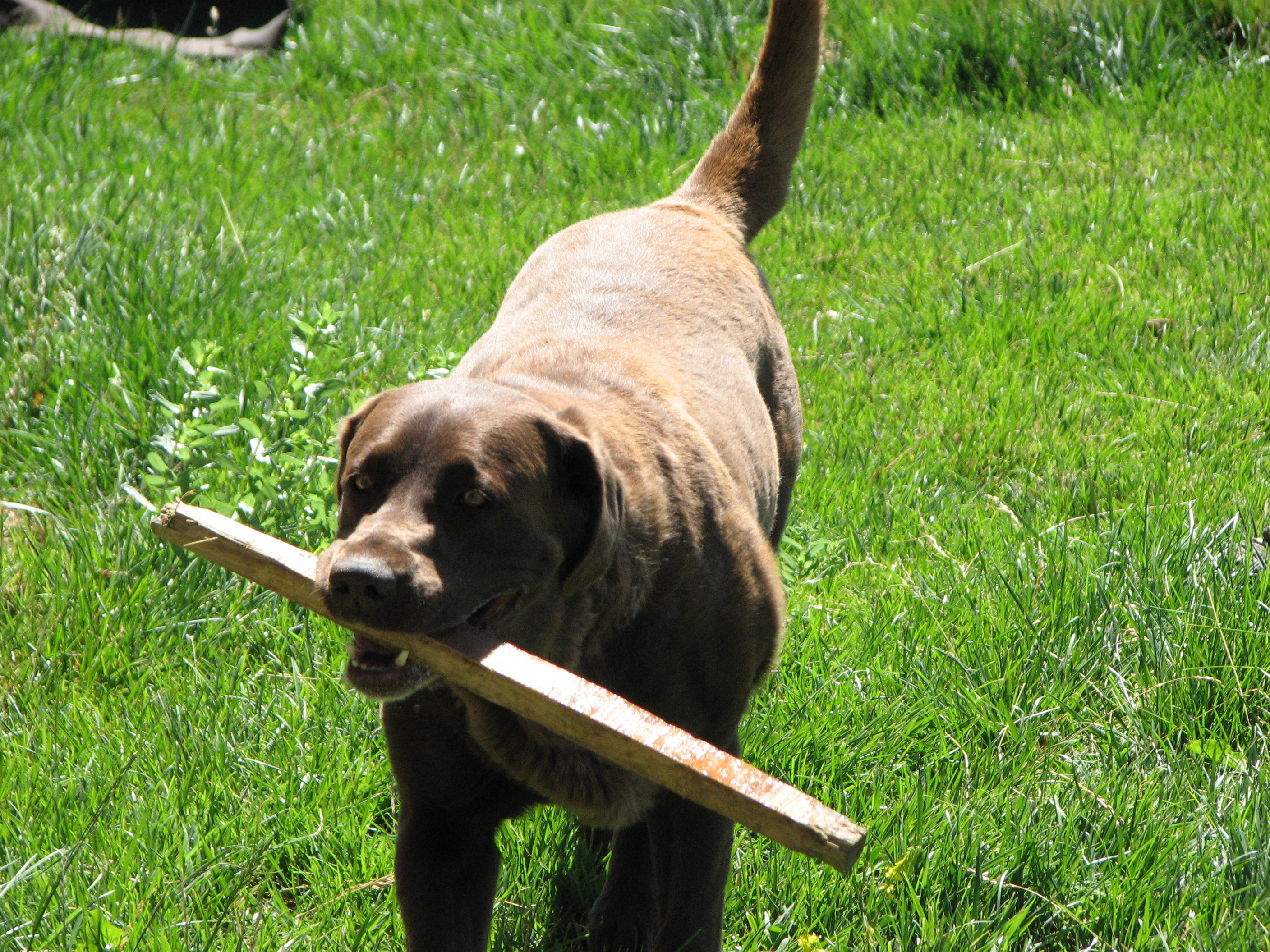
Zion Mountain Ranch is a little piece of heaven. Our cabin was perfect. Our breakfasts were amazing. The view was spectacular. The animals were fun to watch, and even play with. We learned this morning that the Lab’s name is Dakota, and he loves bacon. Aidan ordered a side of bacon that he didn’t finish. The waitress invited the kids to feed it to Dakota, who then brought a stick to the kids, clearly asking to play fetch. I’m not sure that any of us really wanted to leave.

A few quick thoughts about the cabin at Zion Mountain Ranch . . . I am reluctant to talk much about how much we are paying for our hotel rooms, but I found this location fascinating in how it compared with other places we’d stayed, so if you’ll bear with me for a moment, I think you might find this interesting. When we travel, we tend to be Hampton Inn kind of people: comfortable, but fairly affordable. When we were first married, we tended to pay $60 or so for hotel rooms, but that’s really hard to do these days. We’re happy now whenever we can pay under $100. For this trip, we knew we would need to pay a bit more because we were heading to travel destinations, but we hoped that we wouldn’t need to go over $200 per night, and we have managed to do that. Only a couple places were more than $175, and several have been around $115 or $120. Zion Mountain Ranch was right in the middle at $152 per night, but has been the very best accommodations so far. In fact, at Bryce Canyon Resort, we paid $25 more per night for much less.

Our cabin at Zion was large, with 2 King beds and a Queen leather sleeper sofa. The decorations were lovely, more like what you might put in your (southwestern style) house, rather than a hotel. No cheesy paintings or photos of the area. We had a frig, plenty of shelves and closet space for all our luggage. We didn’t use the TV or eating area, but we could have. The picture window in the living area overlooked the meadow. The room had every little thing that you don’t think much about, but that makes all the difference in your stay: good water pressure, enough space around the sink for your toiletries, plenty of soft towels, toilet paper where you can reach it, a fan in the bathroom (rare in hotels), sufficient bathroom lighting (it’s hard to put on eyeliner in the dark), pillows of varying firmness, comfortable comforter on the bed, lamps by the bedside on both sides for reading, just everything you can think of. If you are ever in the Zion area and willing to pay $152 a night (which I recognize is more than a lot of people like to pay for hotels, including us!), please give it a try. What a wonderful place to spend some time. You will also find it hard to leave.

Though we were sad to leave, we headed on the road toward the Grand Canyon. The drive was dry and brown, with fascinating mountains and rock formations as we headed south and east to go around to the South Rim of the Grand Canyon. We were excited for the Grand Canyon, partly because it’s – well – the Grand Canyon, but also because we were meeting my sister and brother-in-law and their 7 month old daughter there. We planned to stay at Yavapai Lodge, inside the Park.

Finding almost no cell coverage in Grand Canyon National Park and arriving late afternoon, we speculated about how we would locate Dave, Rebecca and Gray, my brother-in-law, sister and their daughter. We knew they were staying at the Mather Campground, also inside the Park. We also knew it would take them longer to set up camp than it would for us to check into our hotel, so we decided to head over to the campground to try to locate them.

The Campground is located in “The Village” of Grand Canyon National Park. It was technically walking distance from our hotel (at least, as the crow flies), though we didn’t end up walking between the locations. I was impressed by the Campground. Though Hal and I haven’t camped together as a family, that was almost the only way that we vacationed as a family when I was growing up, so it is familiar territory for me. Wandering around the five large loops that make up the Campground was reminiscent of selecting campsites as a child. We would look for one that was wooded, somewhat private, not too far from the bathhouse, but not too close (it can get noisy there early in the morning or late at night). There were some lovely sites and on our final loop was successful! So much fun to see people we knew after so many days on the road.

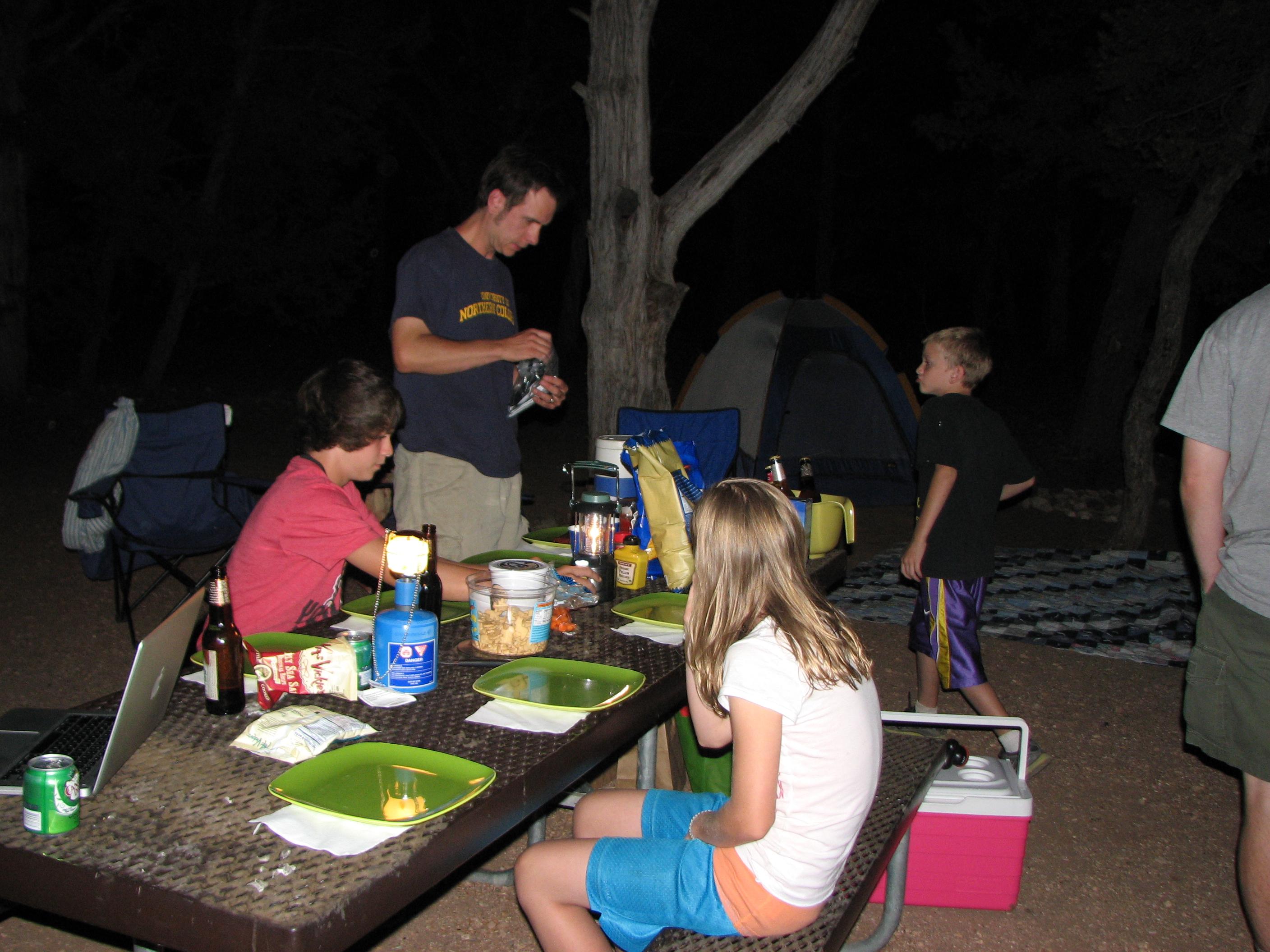
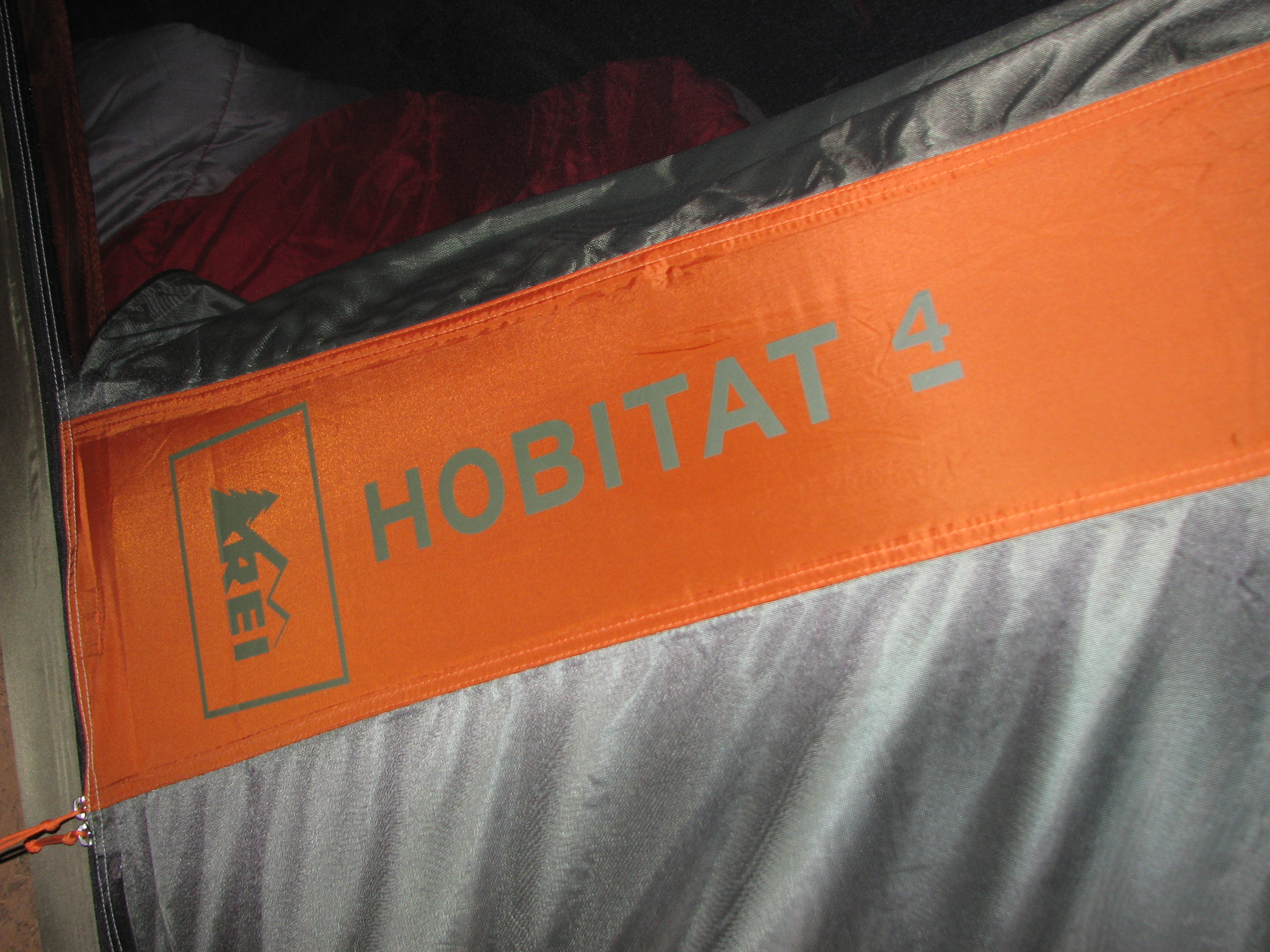
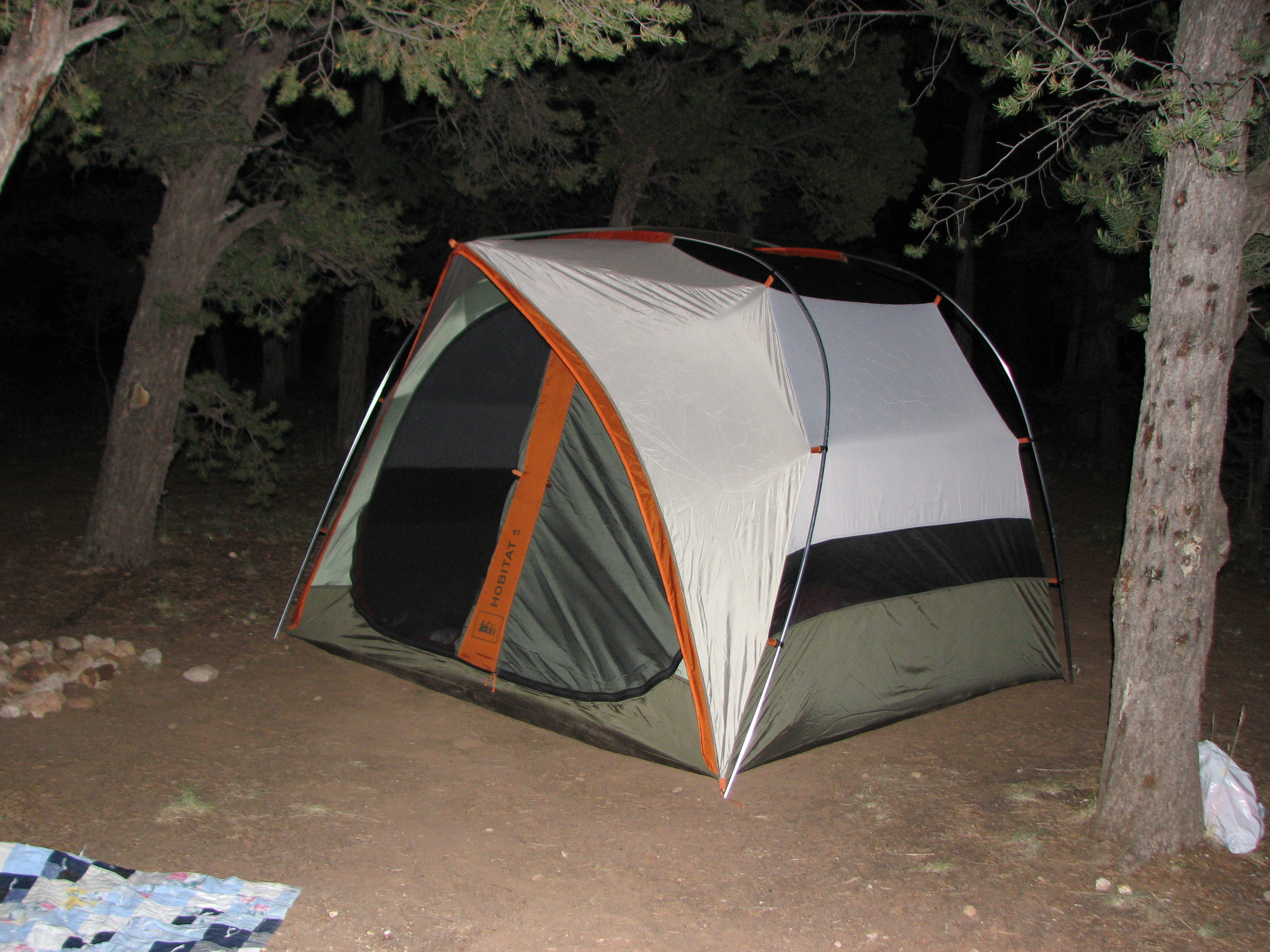
We helped Dave and Rebecca set up camp. They brought a brand-new “family” tent they got after Gray’s arrival at Christmastime. It’s called a Hobbitat. Isn’t that just adorable? I would like to do some family camping, but it’s not Hal’s favorite thing, so I’m not sure it is in our future. They also brought along their 2-man pup tent, in case anyone from our family wanted to join them on this camping expedition. They had a few takers: all three of ours were interested in sleeping over. We’d brought sleeping bags for this moment and loaded them into the pup tent, giving the kids the chance to decide if the 2-man would fit the 3 kids. They ok’d the plan and we headed out to have dinner.

There are a few restaurants within Grand Canyon National Park. Yavapai Lodge has a cafeteria. There is a “luncheonette” on the rim, outside Bright Angel Lodge. El Tovar Lodge has a restaurant that appears to be the finest dining in the Park. Bright Angel Lodge has two restaurants: the Arizona Room, with views of the Canyon, and the Bright Angel Restaurant, described as family dining. We opted for family dining. No views, but good food and good service. Our oldest two opted, once again, for steaks (they will eat us out of house and home one of these days). I had wild salmon. Wished I had the steak. It looked really good and my sister told me it was very well flavored. Haley had rainbow sherbet for dessert and the rest of us shared some chocolate cake with vanilla ice cream. Yum! The restaurant worked well for all of us, offering enough space for Rebecca and Dave to take turns doing that stand-and-rock-and-sway thing that parents do when they are wearing a sleeping baby.

After dinner, we headed back to the campsite to drop off Rebecca, Dave, Gray, Austin, Haley and Aidan for their campout. The kids were already talking about the ghost stories they would be telling. It was a little strange to leave them in the dark at a campsite. Rebecca and Dave were occupied with Gray, hoping for a good night with her on her first campout. Rebecca gave the kids clear instructions about how to proceed with the evening, getting ready for bed at the bathhouse across the way. We left them with instructions to stick together, hoping that the 9 year old wouldn’t get lost in the dark. This is foreign territory for our children, but we were happy for them to have a chance to try camping and for us to have an evening on our own.

Posted in Uncategorized | 1 Comment

Day 11: Zion National Park

We woke in our Meadow View Cabin at Zion Mountain Ranch to a beautiful, sunny day. The Ranch is all cabins: Meadow View and Buffalo Vista. Ours was across the street from the office, restaurant and gift shop, in a neat little row overlooking, yes, the meadow. The restaurant, the Buffalo Grill, overlooks the horse corral and the Ranch’s very own herd of buffalo. A mare and her foal were in a separate corral. The foal nursed while we ate breakfast in the beautiful, windowed dining room. As if on cue, the buffalo herd came in to water just as we sat down to breakfast, settling in just beyond the fence, 30 feet from our window. Several chickens roamed the yard, pecking as they went. A large brown labrador retriever wandered nearby, pausing to rest in the shade.

The breakfast was delicious. We enjoyed fresh-squeezed orange juice, blueberry and banana pancakes, scrambled eggs, and a Croque Madame. The service was terrific. Our waitress was gracious and helpful. The chef came out to speak with us himself when he decided to start a fresh batch of hash browns for us and thought it might take an extra few minutes.

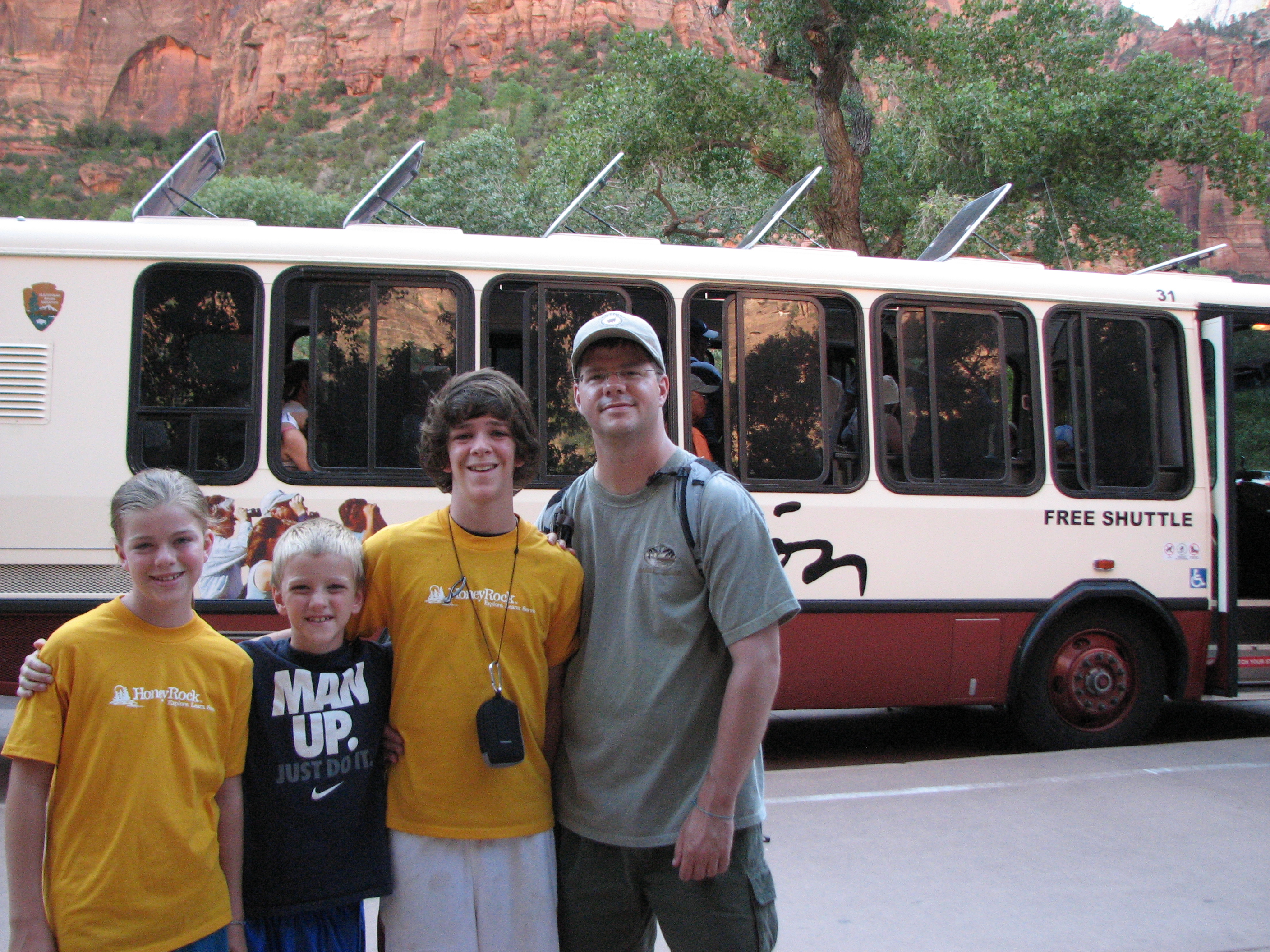
Well-rested and well-fed, we headed into Zion National Park. We recalled having heard that you couldn’t drive around the Park, and this is essentially true. The Park is large, but largely inaccessible by vehicle of any kind. The Zion Canyon area runs from the south entrance to the Park directly north. This area is accessible by vehicle. In 2000, the Park began running free shuttle buses up and down the Zion Canyon area and began to prohibit cars from driving the route. This practice has reduced traffic, of course, and the Park hopes that this has been better for the Park’s overall ecological health. The shuttle buses run every 7-10 minutes. The full round-trip takes about 80 minutes, but you are welcome to get on and off whenever you like. We were pleased to hear that the last shuttle bus left the end of the line at 10:30 pm. We figured that should accommodate our late lifestyle. We commented that perhaps we should write a book: The National Parks between Noon & Ten: A How-To Guide for Late-Night Families.

The East Entrance to the Park is at the canyon rim. For about 12 miles, you drive switch-back after switch-back to get down to the canyon floor, where the Visitors Center lies. What a spectacular drive! While most of the drive offers a view of the canyon as you descend, part of it is a 1.1 mile tunnel, completed in 1930. At that time, it was the longest tunnel ever built. You can imagine the effort involved in blasting through to create it. The tunnel even includes several windows out to the canyon walls. The tunnel is pitch-black, with only reflectors (and our headlights) to help guide the way through.

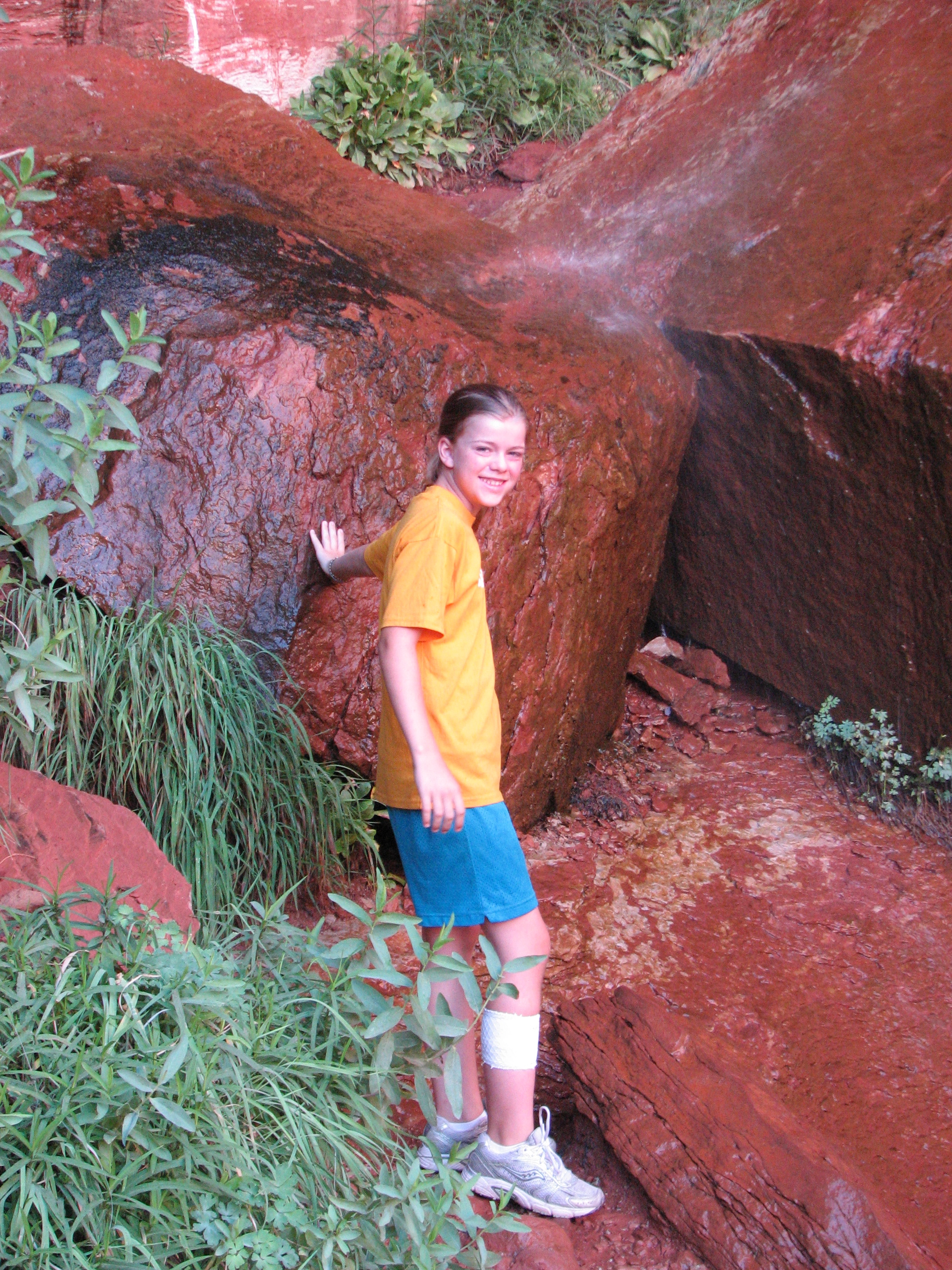
Arriving at the Visitors Center, we had a slightly different agenda today. Over the past week or so, we had become increasingly concerned about Haley’s leg. She had what may have been a bug bite or a splinter, some sort of red bump on her right leg, that was looking worse and worse. It was clearly infected and not getting better. We had tried some Neosporin, but it wasn’t doing the job. The previous night, I had researched our possibilities for medical care in this rural area. We had decided to begin with First Aid at the Park, in case they might be able to quickly help us get the care Haley needed. One of the Park Rangers called in an EMT. We waited for a bit until she arrived, but unfortunately, she did not think she had anything she could offer to Haley and suggested that we go to a medical clinic just outside the Park. Fortunately, it was outside in the western direction, which didn’t involve returning to the rim of the canyon. I had identified this the night before and knew that by coming into the Park, we would also be heading in the direction of this medical clinic, in case the Park sent us there.

Zion Medical Clinic, on Lion Blvd in Springdale, lies less than a mile to the west of Zion National Park. It sits behind the post office and next to the library, just beyond Zion Adventure Company, which runs rafting trips and ATV rides and other fun activities. The Clinic is in a permanently installed trailer, and is open 5 days a week in the summertime, but only 2-3 days a week in the winter. The Clinic is staffed by a physician’s assistant, Michael McMahan and his receptionist/assistant. We were so impressed by the care we received. Mike is laid back and funny. He is an excellent communicator, explaining everything he did as he went along. He spoke directly with Haley, explaining when something would hurt and when it wouldn’t. He ended up doing a little mini-surgery on Haley’s leg, lancing the wound, draining it, and dressing it. We left after about 30 minutes with a prescription for an oral anti-biotic that will hopefully kick the infection. Mike was conservative in his approach to treating Haley. He gave us options and offered his opinion and advice. He gave us specific instructions about how to help Haley’s leg heal. If you ever need medical care near Zion National Park, go to Zion Medical Clinic. They will serve you well.

While Haley and I got her leg treated, Hal and the boys scouted lunch spots and checked out the little town of Springdale. It is a sweet little town of cafes and restaurants and cabins and spas. If Zion Mountain Ranch weren’t such a wonderful place to be, I would consider staying in Springdale. We stopped at Cafe Soleil for lunch. A fancy coffee, continental breakfast, and casual lunch place, we enjoyed wraps, deli sandwiches, and even a grilled cheese. I had the most amazing High Mountain Huckleberry Soda by Jackson Hole Soda. If you ever have the opportunity to, have one. You’ve never tasted anything like it. Heaven in a bottle.

By now, it was about 4:00 pm and we headed back in to the Park. I’ve mentioned that we’re pretty laid back about our travels. We weren’t phased at all by our late arrival. In fact, as we pulled in and there were plenty of parking spots, Hal quipped that 4:08 was the perfect time to arrive at a national park; the parking lot was emptying, leaving us plenty of spots near the Visitors Center.

We figured out where to get the shuttle bus and hopped on as quickly as we could. We ended up taking the bus all the way to the end and then back to the Visitors Center, arriving about 9:00 pm. In those five hours, we got on and off the bus a few times: once or twice just to check out the canyon, once to go to the Museum and watch a 22 minute movie about how the canyon was created, and once to hike a trail up to some waterfalls and pools.

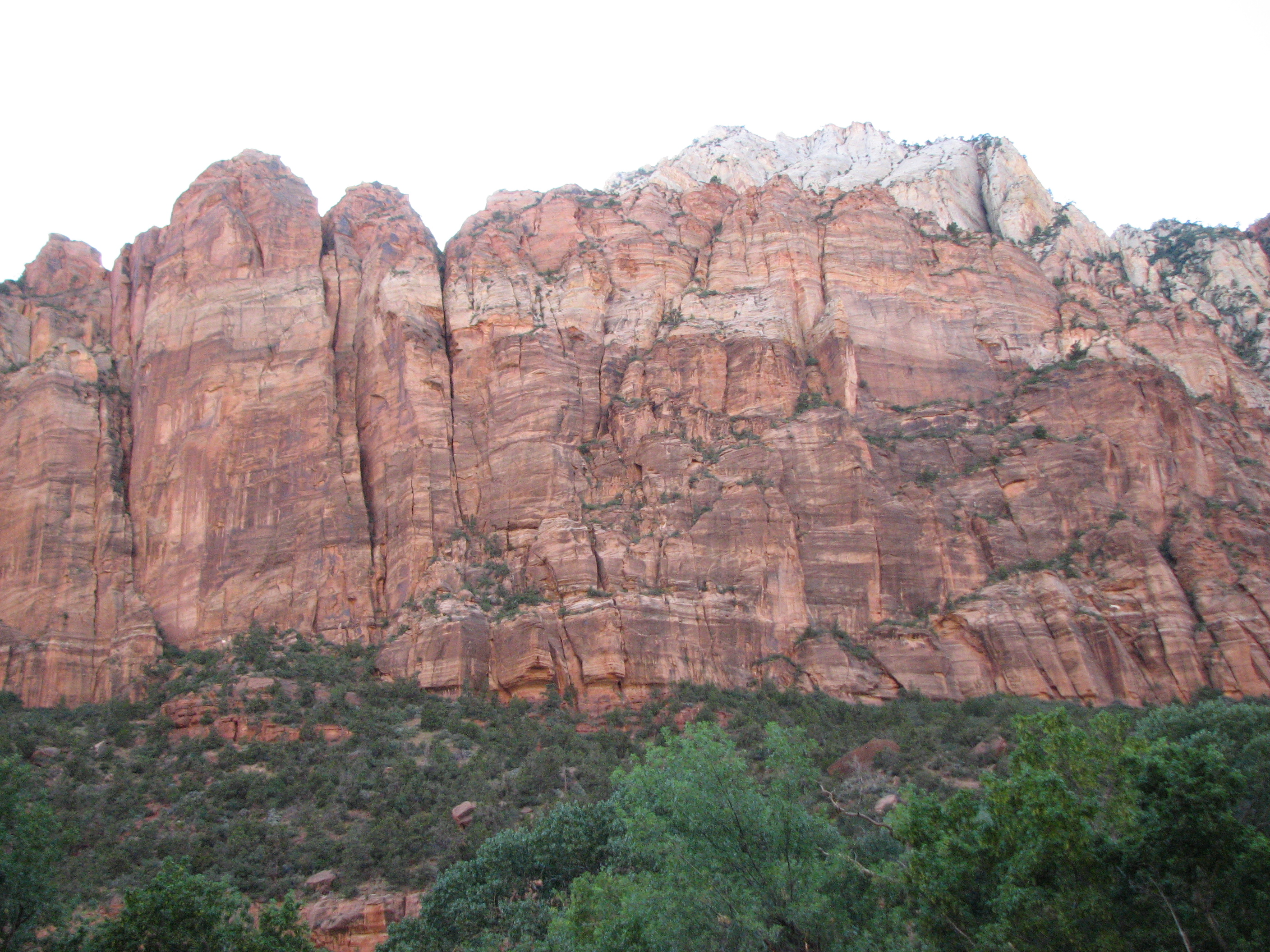
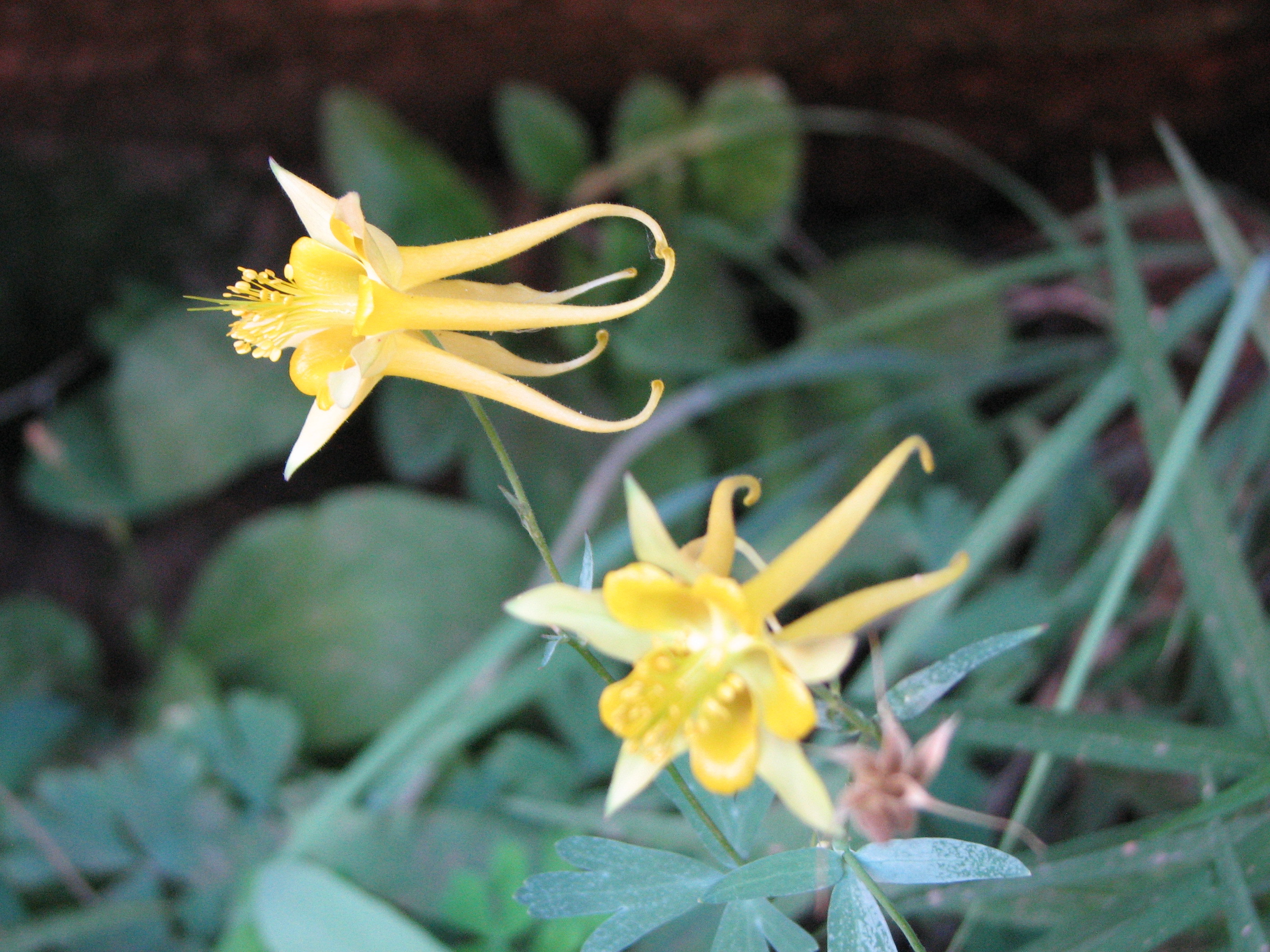
The Lower Emerald Pools Trail was paved. To my great pleasure, we found some Golden Columbine up near the falls. The landscape is fascinating in Zion Canyon. As the movie says, a “river runs through it.” Millions of years ago, there were sandstone cliffs that the Virgin River gradually wore away.

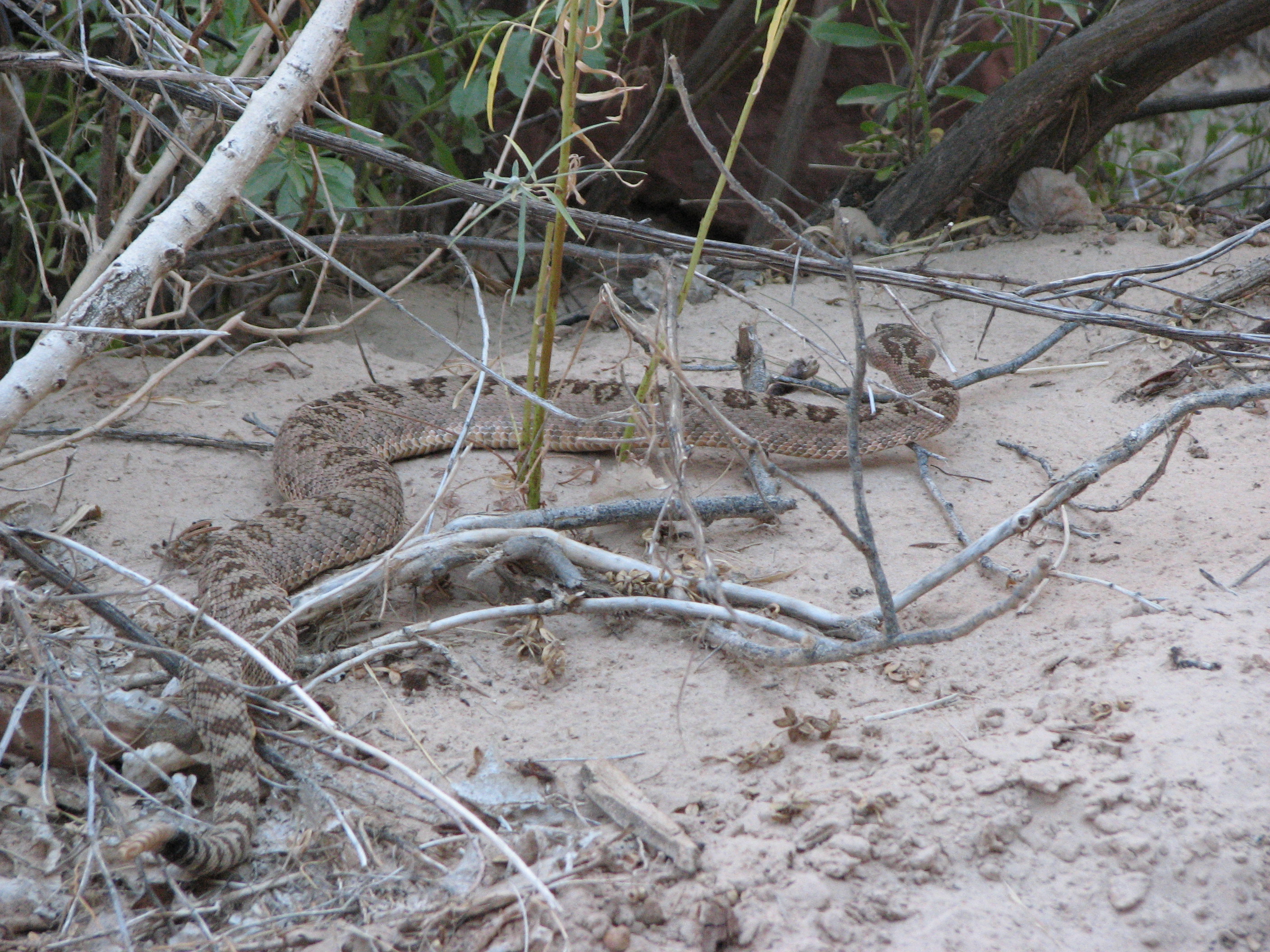
Today, the banks of the river are sandy, even seeming like a beach in some places. Cacti grow in the sandy areas, while pine forests grow further up. We were quite surprised to see two rattlesnakes very close to the trails we were hiking, one down near the river. We got a few good photos and retrieved the children’s shoes from nearby one rattlesnake while they waded in the river.

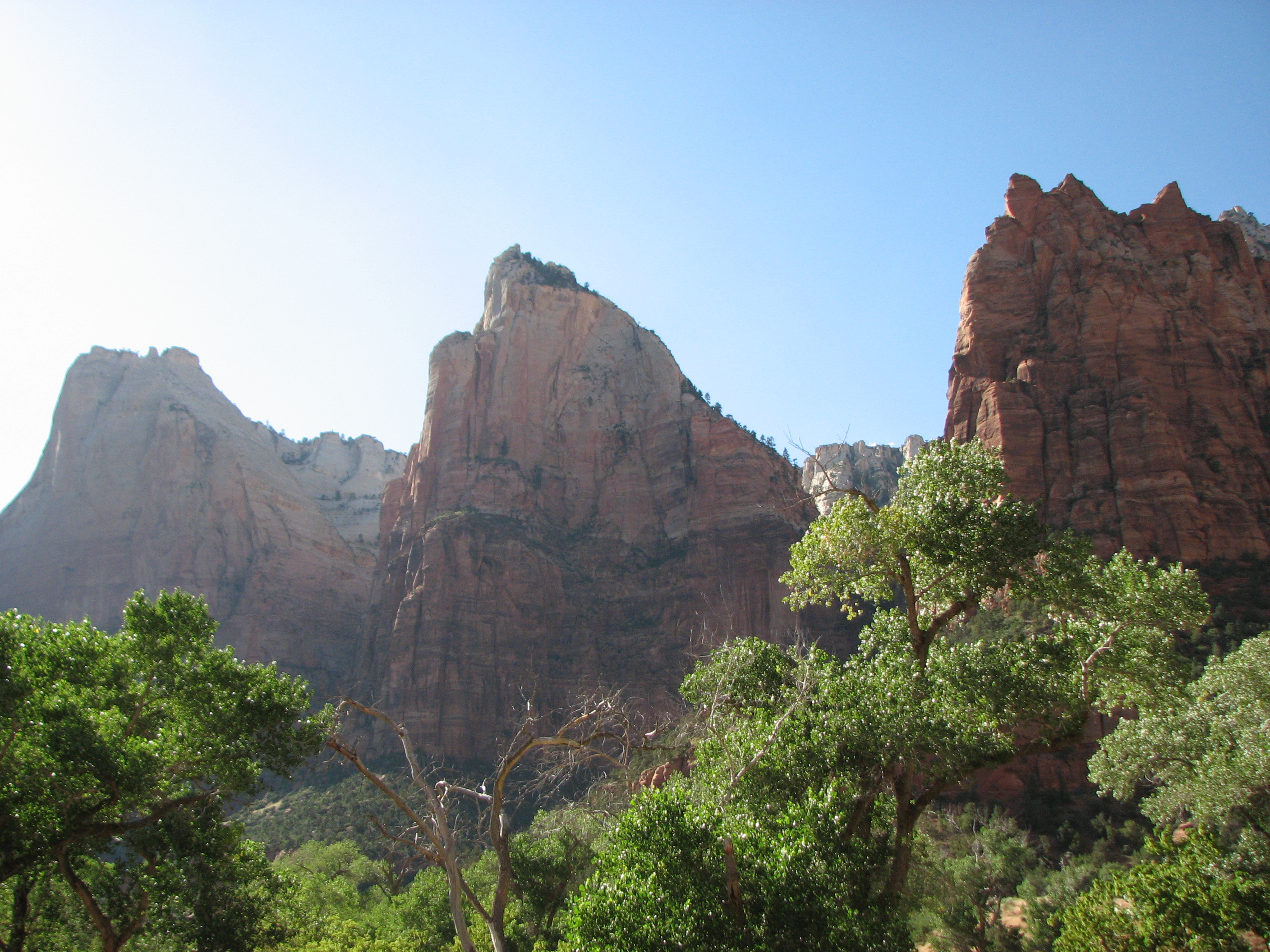
Zion was originally settled by Mormons. Zion is a Hebrew word meaning “dry place” or “barren place” and was the name given to the fortress that sat on the location that eventually became Jerusalem. Zion has come to mean a place of security and tranquility, inside the fortress walls. It has also become a name for Jerusalem itself, as well as the People of Israel. The Mormon settlers chose the name for this area well. It is a dry place of refuge and tranquility. It has both the barren qualities of the desert, and also the peaceful qualities of a river valley. The faith of these settlers is evident in many of the names they gave to the land forms. These three peaks are together called the Patriarchs: Abraham, Isaac and Jacob. Other areas are called Cathedral Mountain, the Great White Throne, Tabernacle Dome, East & West Temples, the Altar of Sacrifice, and the Pulpit.

The Mormons who originally came to the area were looking for good farming land. Some settled in the river valley, farming the land near the river. With the sandy soil and the harsh weather, they did not find farming to be particularly successful in the area. They clearly appreciated the beauty, though, and the name they gave to the area was eventually adopted when the Teddy Roosevelt made it a national park.

My mother reminded me the other day of something I’d been meaning to mention about national parks. “America’s Best Idea,” they are called. I imagine there are a number of features that emanate from land being named as a national park. There are two issues in particular that have struck me. One is public access, and the other is what I’ll call preservation. I recall as a child with extended family in both Chicago and Michigan, driving around the east side of Lake Michigan, trying to get a glimpse of the lake. With a grateful hat tip to those friends and family who own lake or ocean-front property and share it with us, it is a wonderful thing for those of us who may never own beachfront land to have the opportunity to get to it without trespassing on someone’s property. It makes me grateful for Warren Dunes and ocean access on the Jersey Shore, as well as for National Parks. They sit on some of the most beautiful land in the country and anyone can go there. That is a good thing.

We have been struck on this trip that by setting aside National Parks, this land has been protected and preserved so that industry and other development has been held at bay. We have driven through areas with similar terrain, just outside of national parks. Smokestacks and run-down gas stations and row after row of shops clutter these areas, distracting from the mountains and the rock formations, and driving away the wildlife. National Parks have preserved some of the beauty in our country that our need to make a living would likely have consumed gradually over the years. Thank you, Teddy Roosevelt and all who worked to preserve this beautiful land. You did a good thing.

A little river mishap led to a very wet 9 year old, which changed our plans a bit. We did some clothes-drying with the power dryers in the bathroom and then got back on the bus to finish out our bus ride. The sun was setting as we made the return trip to the Visitors Center. We saw a number of mule deer, about 20 turkey, and even a little gray fox as we finished out our day in the Park.

Familiar with Springdale now, and recognizing that we might not get back to the Ranch before the dining room closed for dinner, we headed back to a restaurant we had noticed that only served breakfast and dinner: the Spotted Dog Cafe. The Cafe was still hopping at 9:30 pm and we enjoyed a quiet meal with amazing desserts: home-made chocolate mousse and panna cotta with fresh strawberries and a balsamic dressing. Oh my! Do stop in at the Spotted Dog and Cafe Soleil if you are ever in Springdale. Both are excellent restaurants.

With Springdale on the west side of the Park and Zion Mountain Ranch on the east side, we needed to head all the way back through the Park and up the canyon to get home for the night. We discovered something interesting: you don’t need to pay to get into the Park at night. I’m not sure when this starts, but we breezed through the guard station without showing our pass. And what a drive this was at night. Pitch-black, windy, narrow roads made for quite a ride. I think I averaged about 25 mph the entire 12 miles, spending most of the time going 20 mph up the switchbacks. Having driven these cliffs in the daytime, it was something to round these tight curves, looking out in the blackness and knowing how far below the canyon floor lay.

We settled in to our cabin at Zion Mountain Ranch, exhausted from a full day and glad to have taken care of Haley’s leg, which was beginning to feel much better.

Posted in Uncategorized | 4 Comments

Day 10: Bryce Canyon National Park

Bryce Canyon Resort may be the first hotel on our trip that I would specifically not recommend that we return to, or that you stay there. I am not generally a harsh critic (of hotels, or much of anything, really . . . I’m a look-on-the-bright-side, find-something-good-about-everything-and-everyone kind of gal), but we definitely saw better lodging options as we headed into Bryce Canyon. Ruby’s Inn is a resort a little closer to the Park. It is fairly commercial, has a lot of gift shops and art shops and a gas station, but also seems to have a lot of lodging options as well: hotel, motel, cabins. In addition, The Lodge at Bryce Canyon seems to be a great option inside the Park. Bryce Canyon Resort definitely seems to have some communication/marketing issues. We did fine overnight, but would stay elsewhere if we returned to the area.

The Resort has a restaurant, The Cowboy Bar, where we ate breakfast. One plus: another 11:00 am breakfast. We’re just not early risers and getting 5 people out the door from a hotel, especially when we need to be packed up to move on to another hotel at the end of the day, is not a small feat. Our breakfasts this morning: pancakes, omelets & a breakfast burrito. The OJ was fresh-squeezed and delicious.

We headed into Bryce Canyon National Park for day. Bryce is known for its red rock formations. The Park is long and thin, with the entrance east of I-15 and heading straight south from Utah Route 12. As we say in the running world, the Park is an out-and-back (as compared to Yellowstone, let’s say, which is essentially a loop, or maybe a figure 8 – 2 loops). There’s no exit at the south end. By the end of the day, we would see why.

Each National Park we’ve visited offers us a Summer 2011 newspaper for their park. They are typically about a 12-page ledger-size newspaper, offering safety tips, information about the park amenities, hiking trails and a map, wildlife (flora & fauna) photos and names, some history and basic description of the park, suggestions of activities while you visit, as well as any newsworthy items about the park this summer. Rather than “Bryce Canyon” as the newspaper title, today’s title was “The Hoodoo.” We quickly learned that “hoodoos” are the red rock peaks created by erosion.

Most canyons are created by water, typically rivers running and carving out a valley. Bryce’s canyons, mountains and valleys were created by the erosion of weather over millions of years (not to get into an old earth/young earth discussion . . . we’ve certainly heard plenty of reference to landscapes created over the course of millions of years on this trip). The hoodoos begin as solid rock walls. A depression in a wall erodes to become a “window.” The window them erodes to become two hoodoos, that is, a window without a top.

One wonderful thing about our family is that we are (most of the time) in sync about whether we’re on the move or taking it easy. Today was a taking it easy day, at least from the standpoint of getting on to activities. Or, perhaps, we were just a bit disorganized today. It seemed to take us quite a while to get the lay of the land, decide our order of events (hike, then driving tour), sunscreen up (really sunny day!), fill water bottles, pack them in a backpack, remember all the cameras, and head for the rim of the canyon. It seems that we went back to the car about three times before we actually had everything we needed. We started at Sunset Point, which offers a gorgeous view down into the canyons. About 10 minutes around the rim, we had one more return to the bathrooms (I won’t name who). The rest of us waited for this one to return, and then finally went to retrieve him after about 30 minutes. Finally . . . we headed down into the canyon on the Queen’s Garden Trail, which purported to be 0.8 miles.

I will not go so far as to express regret regarding our hike into the canyon, but I will say that the mileage may possibly be a little off. Or, we may be more out of shape than we thought we were. Zero point eight miles should work for this family. The trail was steep, with many switch-backs. We did get a skinned knee (mine) and a bit of whining (9 year old’s), but mostly, the boy lived up to his shirt and I survived the brief slide down the trail. Don’t do this trail in flip-flops; none of us did, and I would strongly advise against it.

There are steep drop-offs and somewhat narrow spots on the trail (2 feet across). One thing the kids have observed on this trip is how many locations there are with enormous danger (hundreds of feet to the canyon floor below) with nothing but one’s wise judgment between you and certain death. One park said it this way: “Your safety is your responsibility.” Living life in the suburbs with children, it is rare to have a dangerous situation without warning signs and guardrails and flashing lights. While it’s good to be aware when a risk is ahead, I like that the kids are being exposed to experiences this summer where they must assess the risk and make judgment calls themselves. There is not always someone or something preventing their risky behavior. We are there to (hopefully) prevent the most serious of errors. I commented yesterday that our most important goal for our summer travels is to bring back three children, each in one piece. And yet, each day, there have been opportunities for the kids to observe keenly, assess wisely, and choose carefully which way to go. And indeed, each of us are called in our lives to observe, assess and choose. We hope these opportunities are good practice for a life well-lived.

The plan (that I developed . . . I will take responsibility for this) was to take the Queen’s Garden Trail (0.8 mile out) from Sunrise Point to its end, and then take the south side of the Navajo Loop back up to Sunset Point. The trail was marked, but the sign references didn’t always match the map we had. When we arrived at what we now know was the Queen’s Garden (end-of-the-trail), we were shocked that we weren’t farther. We kept wondering when the trail would head back up the canyon. We consulted with a thoughtful, young French couple who had taken our picture inside an archway a little while before. After much discussion and consulting the two different maps we each had, we concurred that we were at the junction of the Queen’s Garden and the Navajo Loop Trails. With the Queen’s Garden being a 0.8 mile return to Sunrise Point and the Navajo Loop being a 1.4 hike to Sunset Point, and with a very tired 9 year old, we opted for the return trip. We got a very different view of the canyons for having hiked down into them. If you are traveling with friends and family able to hike down, you should definitely do it. Just be warned that it may be hot (bring water for sure) and dusty and the trail seems a lot longer than it is marked. Also, remember that you are at about 8,300 feet above sea level at this point, so exertion feels like more than you may be used to.

There is a General Store near Sunrise Point. We got sandwiches (and a slice of pizza and a couple soft pretzels) and ate out on the porch. Haley and I shared the sweetest box of blueberries you ever did taste. They were from California, but were delicious for our Utah lunch nonetheless. We were struck at Bryce with how many Europeans were there. Many families were speaking French, along with a few German and maybe an Austrian thrown in for good measure. Our 1st year French speaker especially enjoyed listening to his vocabulary words being used in real life.

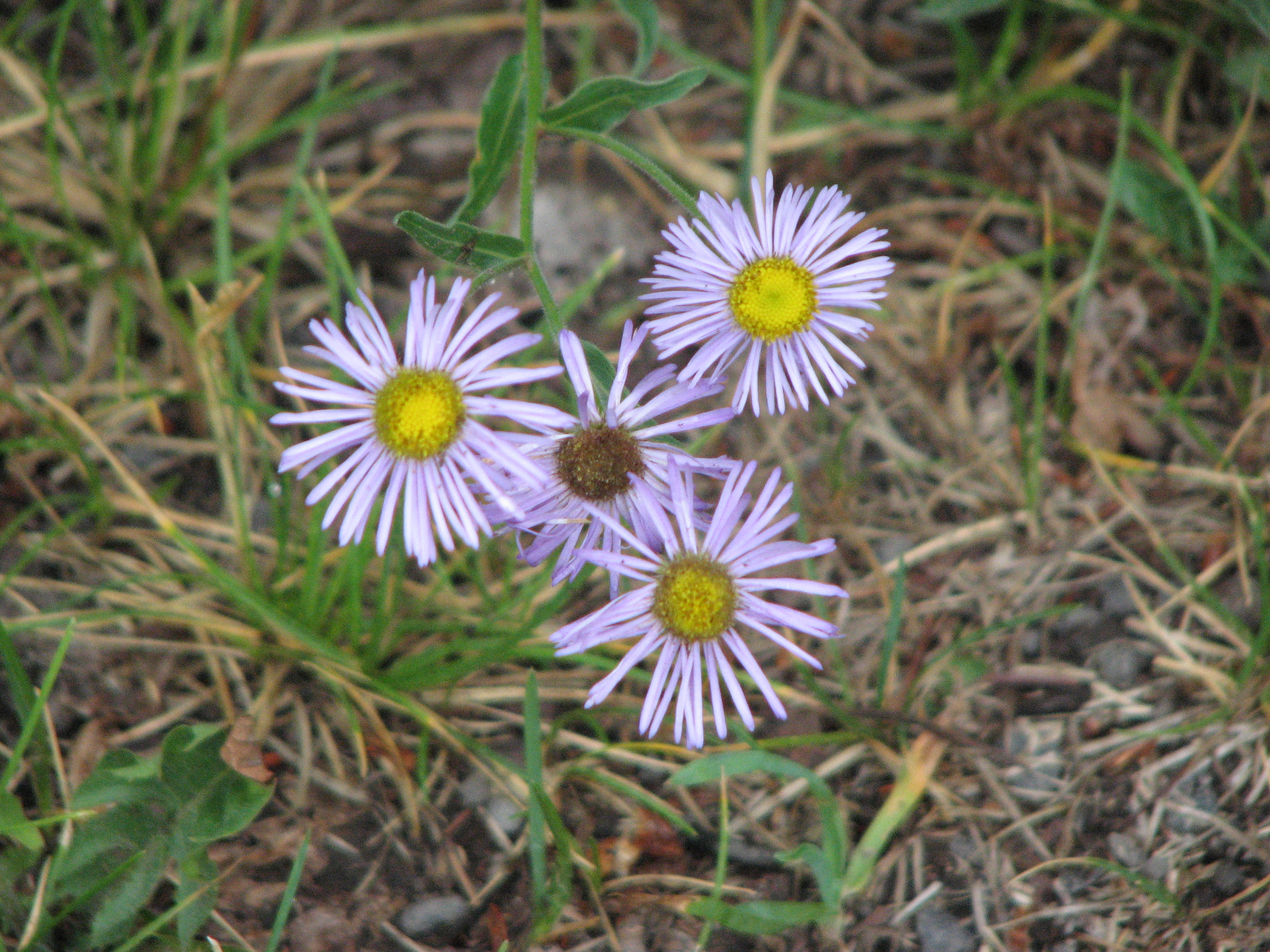
Our late lunch and our hiking-exhausted children led to the rest of the day being a driving tour, which worked very well at Bryce. The entire park can be seen on the 18-mile scenic drive south toward the Rainbow Point parking area. A short walk takes you to the furthest point reachable without hiking down into the canyon, Yovimpa Point. Walking up paved path looks like you’re about to reach the end of the world. We stopped at most of the scenic overlooks and I got lots of pictures of wildflowers along the way, in addition to gorgeous shots of the canyons.

We returned to Bryce Canyon Lodge for dinner and had a terrific meal. Their specialty at the Lodge is sustainable food. This meal rivaled the one at the State Game Lodge in Custer State Park, South Dakota (near Mount Rushmore). Our waiter, Tim from Washington State, was entertaining and attentive. He quickly assessed that our family was up for a good laugh. He taught the kids some magic tricks and feats to amaze their friends. He also teamed up with Hal and me to work with the kids on manners. It is an interesting experience to spend 19 days with your children, eating three meals a day together, mostly at sit-down waiter-service restaurants. Many opportunities arise to talk about manners and common courtesy in communication. I am glad for the chance to sit with my children and talk about the day, but I am also grateful to have this concentrated time to teach and remind about the ways in which we respect those around us. The way we communicate lets others know whether they are important to us and whether they have value in our eyes. We hope to be teaching our children to value each human being and to give particular respect, with an attitude of gratitude, to those who are serving us.

Tim from Washington State has worked at other national parks (an interesting summer job, don’t you think?), but this is his first summer at Bryce. After I’d instructed one of the children (won’t mention who) several times to thank Tim for bringing food to the table, he stopped and told us a story. On his way out to Bryce this summer, he flew into Las Vegas and rented a car to drive to the Park. Being a college student on a budget, he had reserved a basic, 4-door sedan. At the car rental counter, he conversed casually with the woman at the counter, asking her how her day was and politely complimenting her on her work. Well, Tim walked away from that counter with the keys to a Chrysler Sebring convertible, all on account of the polite use of words. A good lesson for us all.

With only 55 miles to drive to our lodging outside Zion National Park, we were glad we’d planned to make that drive the same night as being at Bryce Canyon. We touched base with Zion Mountain Ranch by phone to ensure we could get our key after 11:00 pm, but then arrived just before 11:00. Gene was in the office and gave us a map, our key and directions across Route 9 to our Meadow View Cabin.

Before I finish Day 10, I must tell you about the sky. Have you ever been somewhere that is so dark and cloudless that you can see every star? We arrived on this kind of night. The stars are so clear that they appear to shimmer and actually twinkle. The milky way curves its glorious way across the sky in the distance. As you stare deep into the star-dotted darkness, you can feel the curve of the vastness above you. With nothing better to compare to, it reminds you of the last planetarium you went to with the 1st grade field trip. What a privilege to share this with the children and what a joy to live in a world that is so beautiful, even at night. For me, these sorts of nights are Madeleine L’Engle kinds of nights, the ones where the beauty reminds you of the science behind it all that hints at the Creator who made it all.

Posted in Uncategorized | 2 Comments

Day 9: Togwotee, WY to Bryce, UT

One final breakfast at the Togwotee buffet prepared us for the long drive ahead of us. This was the longest driving day of the whole trip: about 9.5 hours driving, estimated 11.5 hours travel time, give or take a half-hour.

The drive took us by the other Sundance. The original Sundance is in the northeast corner of Wyoming. We went through the little town as we got off of I-90 to head north to Devil’s Tower. The Sundance Kid got his name because he spent 18 months in the Sundance, WY jail. He was born Harry Longabough, in Pennsylvania, though some say it was Ocean City, NJ. The folklore abounds. He moved with his family to Colorado, and by the age of 20 was working as a cowboy, and at a bar. Out of work in 1887, Harry stole a horse, a gun and a saddle from a ranch near Sundance. He was caught and sentenced to serve time there. He was always known as the Sundance Kid after that. In the early 1890s, the Sundance Kid hooked up with Butch Cassidy and began to be implicated in a number of bank robberies with him and his Wild Bunch. Cassidy had been born Robert Leroy Parker, the son of devout Mormon parents. He was led into a life of crime by Mike Cassidy, from whom he adopted the name “George Cassidy,” though he was known as Butch Cassidy. Mike Cassidy was a cattle rustler, but disappeared after killing a Wyoming rancher. Some say Butch Cassidy took Mike’s name so as not to bring shame upon his family.

Butch Cassidy and the Sundance Kid’s hideout was a remote canyon in Wyoming, called Hole-in-the-Wall. In 1969, William Goldman’s screenplay of the story of these old-time gangsters (aptly named, of course) was directed by George Roy Hill. Goldman won a Best Screenplay Oscar for this classic American Western film. Paul Newman played Cassidy, and Robert Redford played the Sundance Kid.

Do you recognize Goldman’s name? You should (I’m talking to you, Brad Cathey). Goldman (as S. Morgenstern) wrote the novel, The Princess Bride, published in 1973. He subsequently wrote the screenplay for it, produced in 1987. If you’ve never read the book, read it. It’s my favorite all-time novel. I read it for Mark Springer’s 8th Grade Creative Writing Seminar at Radnor Middle School. Goldman also wrote, produced, and consulted on screenplays for: The Stepford Wives (1975), All the President’s Men (1976), Heat (1987), Misery (1990), A Few Good Men (1992), Chaplin (1992), and Good Will Hunting (1992), to name a few.

For Robert Redford, the Sundance Kid was a defining role. He subsequently named both his film festival in Utah and his four-season resort, after his character. On Day 5, we passed through the namesake Sundance, Wyoming. Day 9 took us through Redford’s town in Utah, honoring his character.

We also passed through Provo, home of Brigham Young University. What a beautiful town for a college, nestled in the valley between the mountains.

South of Provo, we saw a double rainbow. Some in our vehicle claimed it was a triple rainbow. Austin announced, “Our trip is complete!” We also saw the most beautiful fields where a company was growing lavender, though we didn’t stop for a picture.

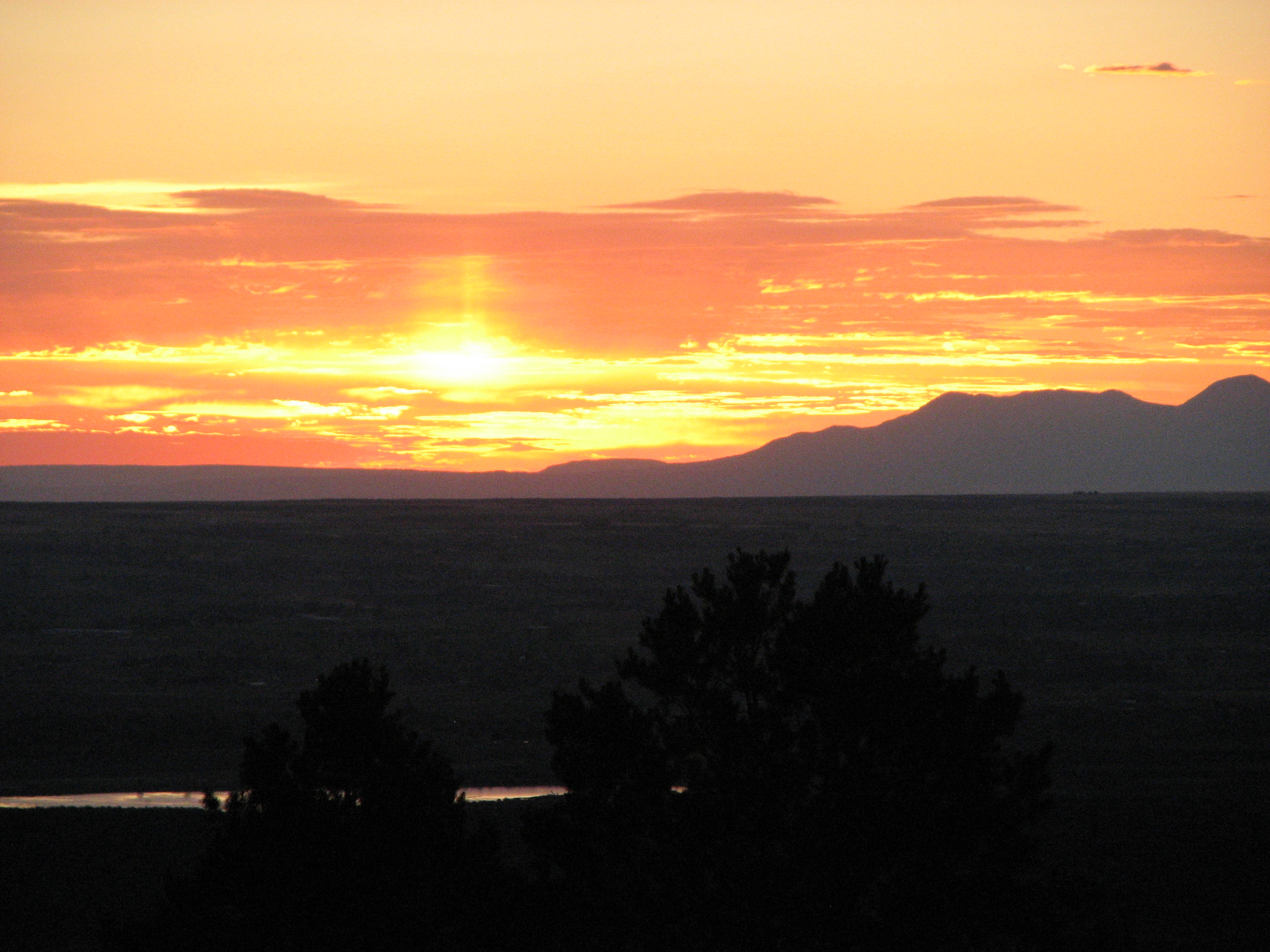
Here’s the sun setting over the central Utah mountains. We drove into the Bryce Canyon area in the dark, our headlights only hinting at the canyons and red rock formations around us. Our lodging for the night was at Bryce Canyon Resort, just outside Bryce Canyon National Park. We stayed in one of the historic cabins. They are quiet and comfortable, though the marketing was inaccurate and the front desk staff’s response to the inaccuracy was less then responsive. I reserved a room with 2 Queens and a sofabed, enough for our family. Our confirmation indicated the same. When we arrived at the cabin, we discovered that it only had 2 Queens, no sofabed. I drove back to the Office, barely catching the desk clerk before he retired for the night. While he was able to offer us a rollaway, which worked fine for our family, his response to my inquiry was merely that a lot of the web sites state their information inaccurately. I reserved the room directly with the Resort, not with a travel service, so the information I was working with was their own web site, as far as I understood. The confirmation e-mail I was working from was directly from them. Clearly, they have a communication problem. I wouldn’t recommend not staying at Bryce Canyon Resort, but I would check and double-check the accuracy, if these sorts of issues will cause difficulties for your family. One thing I had discovered during the day may be a clue to the troubles here. Every number that is listed on the web site gets you to reservations agents who are not on-site. If you press further or ask a lot of questions, they can transfer you to the on-site Office, but they seem to be trying to handle reservations, plus a number of types of inquiries off-site. That could easily lead to mis-information being shared.

We were glad to be staying for only one night, though. We planned to spend the day at Bryce Canyon the next day and then drive down to Zion National Park in the evening.

Posted in Uncategorized | Leave a comment

Day 8: Grand Teton National Park

Togwotee Mountain Lodge has a great buffet breakfast. There is only one waitress to serve the dining room, though, and they require that she seat you and bring you your check at the end. The service was not particularly quick, but the food was good and healthy and various. And classic rock in the dining room is not a bad way to start your morning.

We did a split-shift breakfast, so it was Aidan and me on our own while the others got ready for the day. The restaurant is full of horse equipment, so we had a little crash course in bridles and bits and saddles and stirrups.

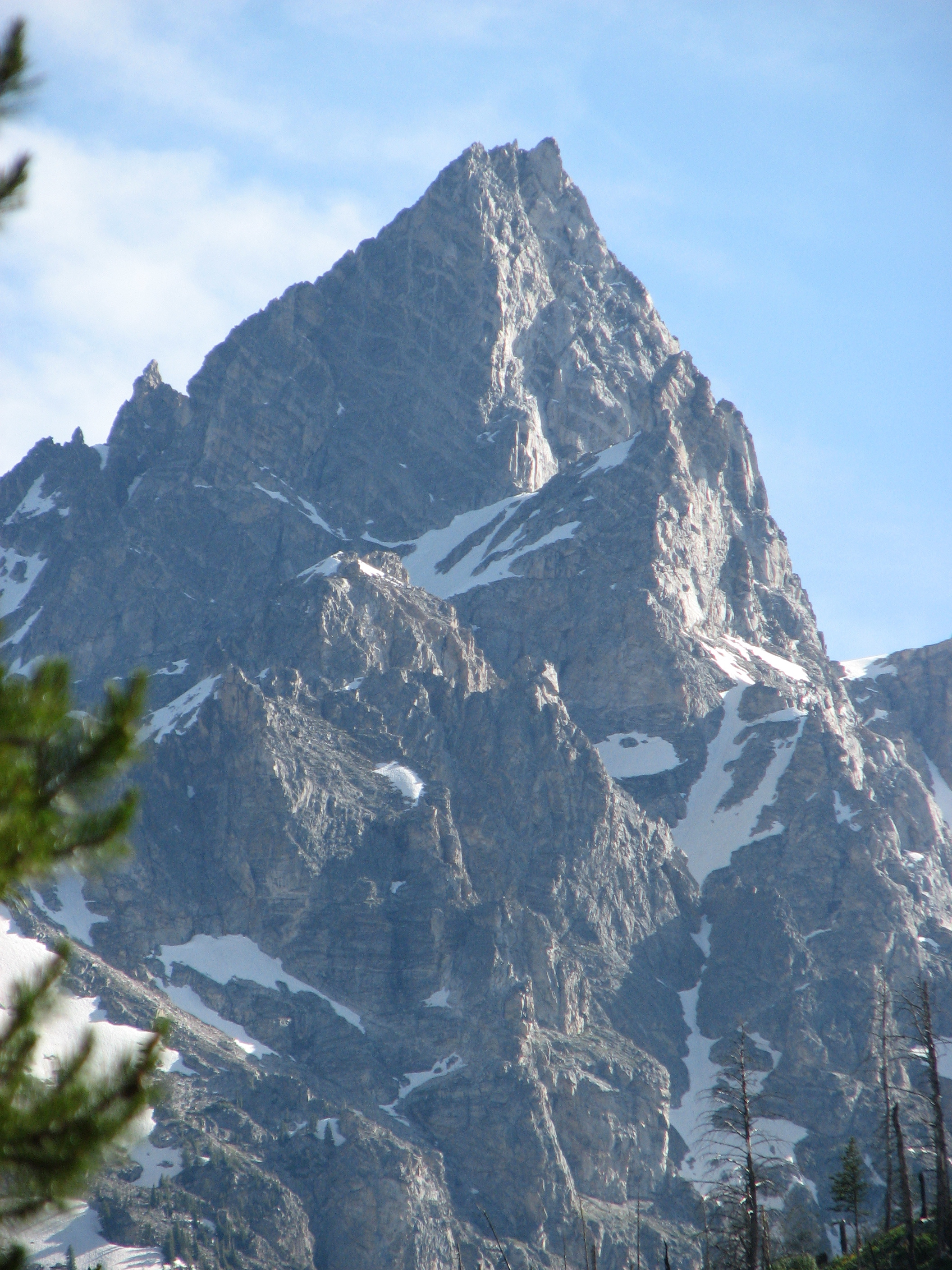
By about 11:00 am, we headed toward Grand Teton National Park. There are hardly words to describe the grandeur of these mountains. I am not native to Illinois, so flat is not my childhood terrain, but the eastern mountains are an entirely different breed: beautiful in a different way. We came back through Togwotee Pass, toward the Park. On this drive, Grand Teton is framed by the forested mountains of the Pass: a beautiful entry into a beautiful park.

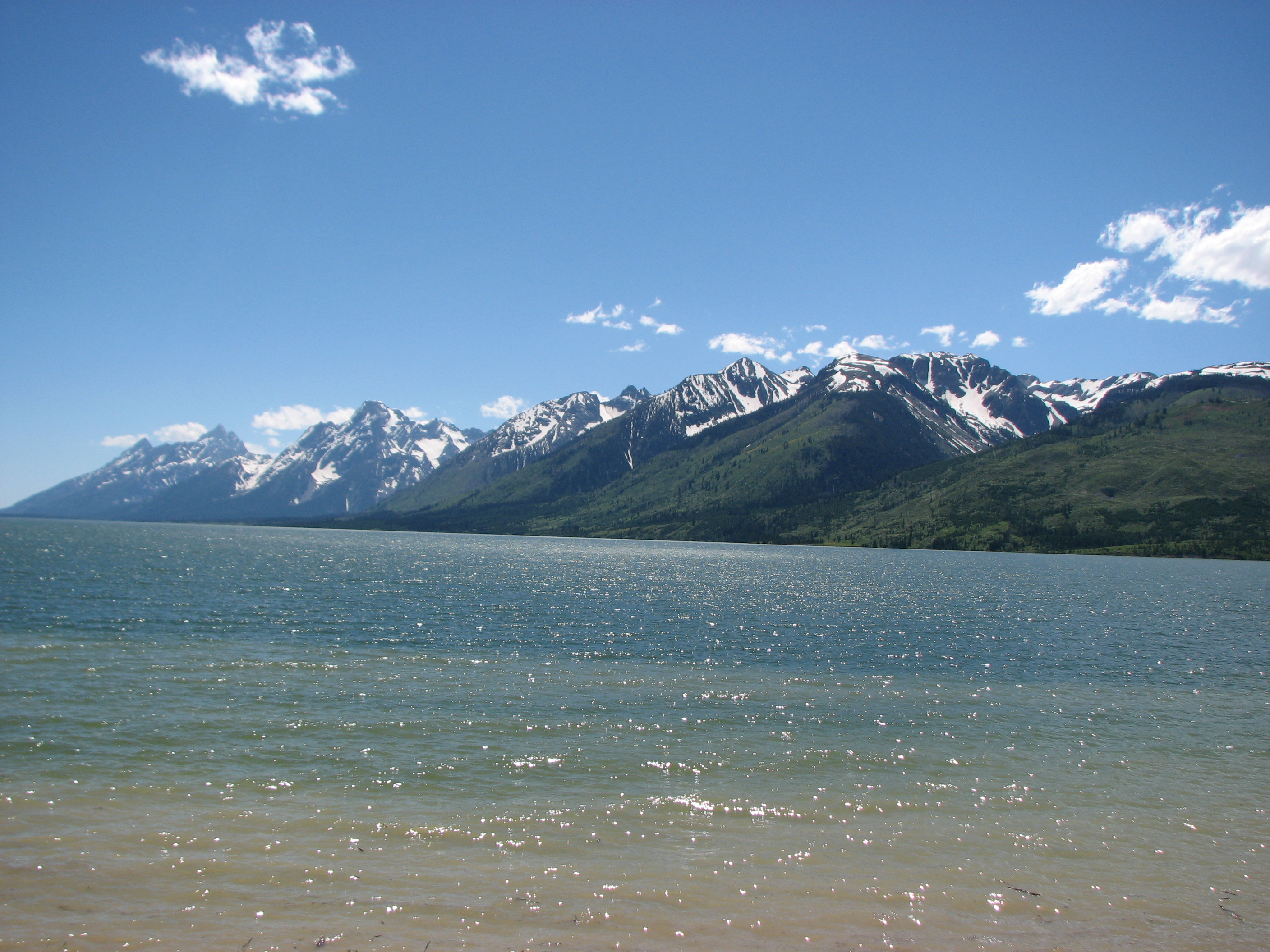
The largest lake in the Park is Jackson Lake, covering about the top third of the Park. There are a few smaller lakes such as Two Ocean, Emma Matilda, Leigh Lake, Phelps Lake, String Lake, and Jenny Lake, and lots of tiny mountain lakes. Coming through Moran Junction, into the Park, we intended to head west toward Jackson Lake and take Teton Park Road south to Jenny Lake, but my faulty navigation led us onto Routes 26/89/191, which is the faster way through the Park. This road takes you straight south along the east side of the Snake River, which lies at the base of the valley that gives Jackson Hole its defining feature (a hole in between the mountains). Always one to find the bright spot, even in faulty navigation, I was glad we went this direction because being just a few miles further away from the mountains offers a better broad view of the range. Gorgeous.

At Moose Junction, near the base of the Park, we headed back north on Teton Park Road. This is where the action is when it comes to Park amenities, activities, and yes, people. The Park does not have guard shacks nor does it require entrance fees except along Teton Park Road, it seems, so if you want to drive on through on the east side of the Park, I think you can enjoy the view for free! Annual Pass in hand, we headed to South Jenny Lake Junction. One unique activity we noted was all the mountain bikers. We had seen a few here and there at Yellowstone, but there were lots at Grand Teton. Many were very serious-looking, water bottles on backs and packs on wheels. Some were clearly overnighters, while others were day bikers. And some appeared to just be out for a casual Sunday morning ride. I’m not sure it would have been worth carting bikes across the country just for this moment, but it would have been fun to ride a bit. There are plenty of mountainous areas, but also many flat areas in the river valley. Almost every road seemed to have a separate, or at least defined-by-lines designated bike lane.

We had been told that parking would be scarce at South Jenny Lake because it is a popular area for day-hikers, as well as a jump-off for backpackers and climbers heading up Grand Teton. My Aunt Mary Ann and Uncle Ted have spent some family vacation time in this area. Uncle Ted has backpacked from Jenny Lake, up Cascade Canyon three times, and climbed Grand Teton with his boys once as well. Uncle Ted gave us some tips regarding getting a good sense of the area, with kids along. I will gladly pass his tips on to you for your vacationing pleasure.

Assessing the amenities at Jenny Lake, we found bathrooms, a Visitor Center, and the Jenny Lake Store, a combination souvenir shop, camping/hiking/backpacking supply store, and grocery store. All were useful to us. At the Visitor Center, we gathered information about the boat ride. At the grocery store, we got drinks and sandwiches and enjoyed them on a bench on the porch of the Store.

One thing that struck us as we ate: the Badlands were rattlesnake country; we were now clearly in bear country. Each hotel we’ve been at has given us direct and clear instructions regarding how to handle our garbage, what to carry with us as we hike, and what to not carry with us. At Jenny Lake there were bins for plastic recycling, bins for glass recycling, bins for aluminum recycling, and bins for trash, all with handles sufficiently secure to keep out bears, and even some humans. It was amusing to watch people come along and try to figure out the latch. Some people in the world are persistent and creative, problem-solvers who approach a roadblock as a problem to be solved. And others see roadblocks as a reason to turn around and walk the other direction, trash and recycling still in hand.

I hope we are teaching our children to be the former.

With sandwiches completed, we headed down to the boat dock, following the moose tracks along the path, as instructed. The shuttle rides across the lake are run by Jenny Lake Boating. They also rent canoes and kayaks. With more time, it would have been fun to rent a boat and go out on our own. Uncle Ted’s advice to us was to take the boat across the Lake. There is also a 2 mile hiking trail around the Lake clock-wise or about 5 miles counter-clockwise. The boat ride offers a beautiful view of Grand Teton, Jenny Lake and the entire area, and a boat-ride is always fun, so I would strongly recommend it. You can buy a one-way ticket or round-trip. Some people chose to hike one direction and boat the other. We chose the round-trip ticket. Prices for RT/1-way: Adults ($10/$7), Children 2-11 ($5/$5). Under 2 and over 80 are always free. Dad & Mom, you might choose to wait another 10 years to do this trip. Your rides would be free! Actually, I’d come much sooner if I were you. You would really enjoy this area.

There is also a scenic cruise that goes around the lake for an hour. These run three times a day for $15 and $7 for Adults & Children. Jenny Lake Boat accepts credit cards. Tickets are purchased down at their dock.

The ride across Jenny Lake to the west (mountain) side takes only about 10 minutes, but is a lovely and refreshing ride nonetheless. Our east to west ride was slow and stately. Our west to east ride was with a driver who might have preferred working at another lake, running speedboats for water skiers. Let’s just say there was a lot of wake and a lot of spray on that ride!

There are trash cans and a dock on the west side of Jenny Lake. And there are trails heading to a number of places, but that’s about it for amenities over there. Take care of your bathroom and nutritional needs before you head over, if you’re not heading back immediately. As we explained to the kids, it’s a shuttle boat. It goes back and forth all day long. Rides are approximately every 15 minutes, though they’re not precisely on a schedule. We hardly waited on either side. The last ride leaves the west side at 7:00 pm. If you miss the boat, so to speak, you are welcome to hike the 2-mile or 5 mile trails back to the east side of Jenny Lake. Beyond that, you’re on your own to hike as you please. I noticed that there are hiking sticks to borrow from the west side dock. Their only request: return the stick on either dock. We didn’t use any of them, but what a nice offer.

Uncle Ted suggested that we hike up to the waterfalls and then hike up toward the Cascade Canyon Trail, until it levels out, and then only as far as we had time for the day. That’s exactly what we did, and really enjoyed it. There are waterfalls just above the boat dock, but if you hike another half-mile or so, you get to Hidden Falls, which is larger and more secluded, dropping from the mountainside into the raging river below. The banks were full, as the snow was still melting from the mountaintops. We hiked a bit further, to Inspiration Point, which has a terrific, panoramic view of the Snake River valley, as well as a gorgeous view of the mountaintops behind you. These trails are extremely well-marked, with small maps and “You are here” indications at every intersection. The climbs are moderate, I’d say, but a lot of fun. Upward climbers have the right-of-way. Plenty of rocks to climb and some areas of wooden, as well as placed-rock stairs. I don’t know, maybe it would be considered strenuous. It wasn’t mountain climbing, but it would be challenging for someone with limited mobility and flexibility. We got some good exercise and the kids are perfect ages for this. They love hiking and are not easily discouraged. We saw a few families with little ones on shoulders, so it’s doable with toddlers; it would just be a different experience with less independent children.

Back down the mountain, we shuttled back to the east side of Jenny Lake. It was about time for a snack and a some water. We did not have serious regrets about not bringing water along on the hike, but we would have used it if we had it. The air at the falls was mountain-cool with some spray from the waterfall, but the rest of the hike was partly shaded and partly sunny. It was a gorgeous, warm day. Some water bottles could have come in handy. We stopped in to the Store again for a snack and drinks and then got back into the car to head to the North Jenny Lake Junction.

On this side of Jenny Lake, you can access a smaller lake, String Lake, which is (I believe), the only location within the Park that permits swimming. The kids swam for a bit in the (very chilly mountain) water. Several families were there and the kids enjoyed playing together. Hal and I read, while we sat on the shore. I’m trying to finish up Deathly Hallows before we see the movie when we get home. Hal was comfortable in the “soccer chair” we brought along. I prefer the blanket and the lean-back sitting-on-the-ground camping chair, but soon realized we were sitting amongst a colony of fire ants, so it wasn’t quite as relaxing as it might have been.

Dried off and changed in the bathrooms at the String Lake Picnic Area, the kids hopped back in the car with us and we headed off to find some dinner. I had considered staying inside the Park at Signal Mountain Lodge, just a few miles north of Jenny Lake, so I suggested that we might have dinner at one of their restaurants. The Trappers Grill has outdoor seating overlooking Jackson Lake or indoor seating with a breathtaking view of the Tetons and Jackson Lake below. We enjoyed terrific food and so-so service. Hal and I had the quesadilla: very spicy and delicious with guac and sour cream. Lots o’ jalapenos. Austin and Haley had a baked potato loaded with chili and other toppings. Aidan had the chicken & beef nachos: plenty for everyone to enjoy, actually. I should also mention that we started with some spring rolls (Haley’s suggestion: yum!), and I had a cup of chili before the quesadilla. The chili, unlike the quesadilla, was not spicy at all. It is elk chili, which is why I wanted to try it. It was almost sweet, with chunks of tomatoes. Lots of cheese and onions as well. Really good. I would strongly recommend the chili. It’s the same stuff that was on the baked potatoes. And the cup was perfect as an appetizer: not too much. Do not miss the blackberry pie. Really good blackberries. Really flaky crust. Hal and I shared, and made it a la mode by borrowing ice cream from Haley’s cookie sundae, which was really intended for many more than our 11 year old.

We drove the 20 miles back to Togwotee Mountain Lodge, having enjoyed the lake and the wildflowers alongside it while we waited the 20 minutes for our dinner table. We were tired, the good kind of tired, after a full day of enjoying the mountains. Our final stop before Togwotee was at the Jackson Dam, which holds Jackson Lake back from dumping into the Snake River. I’m not sure the kids had ever seen a dam close up before, so it was fun to talk to them about the dam’s purpose and to be with them as they experienced the power of the waterfalls going over the dam into the River.

Tomorrow: a long day’s drive to Bryce Canyon.

Posted in Uncategorized | 3 Comments

Day 7: Grand Teton Old West Covered Wagon Cookout

We had a final breakfast at Pahaska Teepee Lodge, just outside of Yellowstone. I learned a few things at breakfast from the old-west newspapers that serve as the menus. The inside is the menu, but the front and back are mock news stories about Buffalo Bill, the Old West, and a bank robbery that has just occurred. I will admit, I probably should have known some of this, but when you grow up east of the Mississippi, there are some things you miss.

  • Buffalo Bill was a lawman, not a bad guy.
  • His real name was Colonel William Cody, having served in the Civil War.
  • Though he was one of the good guys, he liked a good gun fight nonetheless.
  • The town just east of Yellowstone Park (where Pahaska Teepee places its address, though it is quite a few miles west of town) is named after Col. Cody.
  • Buffalo Bill was a friend of both Sioux Indians and settlers.
  • Sioux Chief Iron Tail, known as a wise counselor and a diplomat, was said to be Buffalo Bill’s best friend. Cody was often quoted saying, of Iron Tail, “He is the finest man I know.”
  • Buffalo Bill’s Sioux Indian name was Pahaska, which means “long hair.”
  • It is clear from whence he gets his name.
  • Pahaska Teepee was Buffalo Bill’s Lodge, built in 1904.
  • Buffalo Bill had a vision for the development of the East Entrance to Yellowstone. He believed it could become the most popular entrance. It is certainly the way to get in these days, from all points east, unless it’s winter, in which case, the entrance is closed, as is Pahaska Teepee Lodge.
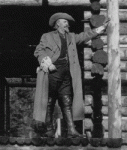
This is Buffalo Bill Cody on the porch of his Pahaska Teepee Lodge. We mailed a few postcards from the little blue mailbox attached to the side of that porch, and headed back into Yellowstone to be on our way to Grand Teton National Park, which lies directly south of Yellowstone. In fact, the parks are 8 miles apart. This 8-mile strip was named the John D. Rockefeller Memorial Parkway as a way of joining the parks and to honor the Rockefeller family for their contributions across the country to National Parks.

I love the National Park slogan, by the way. National Parks: America’s Best Idea.

I agree. Certainly, one of its best ideas.

The Teton Mountain Range is the focus of Grand Teton National Park, and Grand Teton is its highest peak. At the base of the Park is Jackson, WY. The whole area, lying between the Tetons to the west, the Gros Ventre range to the east, and Jackson to the south, is called Jackson Hole. It is best known for its skiing, of course, but summertime is spectacular. We arrived just before dinnertime at our hotel for two nights: Twogotee Mountain Lodge (pronounced tow-ga-dee). The Lodge lies in the Twogotee Pass, east of Grand Teton National Park by 16.5 miles. The parking area was dry, very dry. Dust clouds rose as we got out, coating the inside of the car with a thin layer of road dust.

Before we started our trip, we took a few planning steps. We mapped out the trip day by day, deciding where we would sleep every night and, based upon the distances between the locations, generally what we would do each day (which park, or when we would travel). We made hotel reservations at each location. We put all of this into Mapquest, which pumps out directions (helpful, but not what we used for turn-by-turn . . . the Nav System in the Odyssey is better for that). Mapquest was fun, though, because it places all the destinations on a map and we can see where we’re headed and where we’ve been. I also created an itinerary in the form of a spreadsheet that listed, day by day, our current location, our destination, our driving time and travel time (including stops), our recommended start time and estimated arrival time, and the general ideas we had for activities that day.

So far, we’ve found this itinerary and the planning we did to be plenty. We’re enjoying figuring out how to spend the day as we go. The first night in the Tetons, though, we had made a plan for how to spend the evening . . . and we were very glad we did!
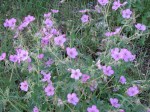
Castagno Outfitters offers a number of activities in the Jackson, WY area, both in summer and winter. One of their best summer activities is an Old West Cookout. We had purchased tickets for the Cookout and received directions from the hotel when we checked in. The Cookout was to begin with a covered wagon ride leaving from a parking area on a back road for which we had been given a tiny little map. The Cookout was listed as starting at 5:30, but we’d been told to be there at 5:00. We were also told that it would take 15 minutes to get there, but we should leave at 4:30. It seemed that everyone was building in cushions to their timing, and we were to soon find out why.

To begin with, there were no street signs. My (free) advice to you: if you need to go some place from a hotel you’ve never been to and you have a time deadline, you know, such as a covered wagon departure or somesuch thing, get very clear directions with landmarks and approximate distances. Do not assume that roads will be labeled the way we do it in the suburbs. That is just not how things are done out here.
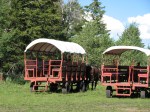
By driving a dirt road for 8 miles, with a sense from the GPS that we might be heading the correct direction, we finally found the Castagnos and our wagons. It was a beautiful drive, and a few miles into it, we confirmed that we were, indeed, on the correct road. The navigation system knew the name of the road! I’d like to thank my friend, Dan, who develops the content for navigation systems. Where would we be without you? Certainly not on our Covered Wagon Cookout.

As it turned out, we arrived by 5:15, with 15 minutes before our wagons departed. We quickly discovered that every family on the Cookout was from Illinois: Galesburg, Carlinsville, and even Arlington Heights.
Ryan Castagno, our driver, brought along his three boys for the ride (ages 13, 10 and 5). This is a family of cowboys. The boys wore boots and hats. Their Dad wore a cowboy hat, work boots and chaps. I’m not sure if the chaps were primarily for effect, but as the 8th grader told us, his Dad works with horses all year long, every season.

We were privileged to have a 20 minute ride each way with Ryan Castagno. He is clearly a man who is invested in the community and the land and the wildlife in the area. He casually commented about the flowers that were in season (yellows drying up, purples coming in . . . yellows were around late because the weather had been so cool up until the past few weeks) as we bumped along the dirt and gravel roads to our dinner site. He gave us a mini-lesson on the differences between the different kinds of federal land: National Parks, National Forests, and National Wilderness. Fascinating.

Did you know that in a National Forest, anyone can set up a tent anywhere, for free, and stay there for up to 16 days? Then you have to move locations, but you could move a bit and stay there for 16 days, and so on.

Did you know that aspen grove in groves and share a root system?
Ryan also gave us a little education in horsemanship. His team, Trixie and Dixie, are the primary team he works with, both for the Covered Wagon rides, as well as for the elk interpretive tours he does by sleighride in the winter. Trixie and Dixie are the fast wagon haulers, he says, but are not trained as in-town stage-coach horses. They are trained to follow the paths they normally ride, as well as to obey his commands. He clearly had an enormous respect for his team, their strength, and what they contribute to his livelihood and the enjoyment of the visitors who come through town. Ryan demonstrated how he speaks to Trixie and Dixie and how their ears tune in to his voice. There is a powerful relationship between a man and his horses.

We also got a crash course in elk and their habits. Ryan suggested that the best time to see elk was in the evening hours because they don’t like the heat, but they must drink lots of water each day, so they can often be seen heading to and from water sources in the cooler evening hours. While we didn’t see any elk on this trip, we have a better idea of how we might do that on another trip! Ryan also described the controversy surrounding the Elk Feeding Program in the Jackson Hole area. The start date for feeding depends upon the weather and when the elk will start struggling to find food. The program has been successful; the elk population is increasing in the Jackson Hole area. I was thinking of telling you more about the Feeding Program. It was quite interesting. I discovered, though, that there has been litigation about the Program. We heard one side of the issue from Ryan, but there is clearly controversy about the Program. I’m not interested in drawing Google attention to Ryan’s opinion, so I’ll just leave it at that. If you’re interested, Google “Elk Feeding Program Jackson” and you’ll get a lot more information.

Ryan told us a bit about what it would have been like to cross the prairie in a covered wagon. The wagons we rode in had benches on each side, were about 6 feet across and maybe 15 feet long. They were authentic, but were used as Church Wagons. If you lived the farthest from town on the frontier, you kept the Church Wagon at your house. Come Sunday morning, you drove on in to town, picking up families as you went. Everyone enjoyed visiting on the ride into town. Yesterday’s Facebook or Twitter, Ryan suggested.
The wagons that crossed the prairie, however, were much narrower, only 3-4 feet across and 10 feet long. They could carry up to 750 lbs of cargo, so the space and weight couldn’t be wasted on healthy passengers. All healthy travelers walked the route, alongside the covered wagon. By the time families were walking the prairie in this manner, they had a sense of how many miles they needed to cover each day to allow their food to last until they arrived at their destination. You may wonder how they measured the mileage. [I know you were wondering.] That, my friends, I can answer by telling you about some of the chores that children did to help their families across the prairie:

  • collecting buffalo chips for campfire fuel in less-forested areas (yes, those buffalo chips),
  • fetching water for washing from the nearest stream, and finally,
  • counting the revolutions of the wagon wheels.

Families would tie a “cowboy scarf,” what we normally think of as a bandanna, onto a spoke of the wheel. One of the children would have the job of counting the revolutions of the scarf. Families knew how many revolutions per mile, and could then calculate how far they’d traveled. If a livestock injury or weather delayed them one day, they might need to make up mileage on another day so they would not be left without food by the end of the journey. Families would get up before sunrise to prepare for the day and depart. They would stop and rest between 12:00 and 2:00, and then continue on until dusk. On some slower days, at the end of the day, they could look back and see where they’d made their camp the night before. You would certainly need to be convinced that you wanted to arrive at your destination to be willing to make that trek.

We also learned that Ryan is a BYU fan; that his boys are all wrestlers and they travel for tournaments in the winter; that he quit his job to start Castagno Outfitters because he wanted to spend more time with his wife and kids, that the 8th grader goes to middle school in Jackson, and that the bus picks him up during the school year between 5:00 and 6:00 AM. All that in 40 minutes in a covered wagon with a man and his boys.
We pulled into a clearing and were greeted by Don & Shirley, an older couple who told us they were from Texas, but sold their home a decade ago and bought an RV. They spend every summer up here serving chuckwagon dinners and entertaining the guests. Shirley did a little stand-up, while Don cooked the steaks. Seriously. She was a funny lady. Dinner was excellent: lots of food and all delicious. I’m not a huge red meat eater, but this was probably the best, tenderest, flavorful-est steak I’ve ever had. Baked beans. Baked potato. Fruit. Corn muffin. Brownies. Lemonade, water, coffee and hot chocolate to your heart’s (and stomach’s) content. Shirley was pure southern hostess. She wouldn’t quit offering seconds and stopped to talk with each of the families as she went.
Once Don was done with his steak-grilling, he got out his guitar and played a few cowboy songs for us while we ate. Next thing you know, he gets out his accordion and sings a few more. And finally, out comes his fiddle for a few waltzes and polkas for good measure. What a sweet couple. Some of the Castagno family joined us up at the dinner: Moms and kids, cousins of the boys on our wagon. It seems like a nice partnership: Castagnos run the horses and the wagons, and Don & Shirley serve and entertain for the evening.

After the entertainment and dinner, there was a little hokey-pokey and chicken dancing, but fortunately, we have no photos of those. To end a sweet evening, Don got out his guitar once more and we had an old-fashioned cowboy sing-a-long: Home on the Range, You are My Sunshine, She’ll Be Comin’ ‘Round the Mountain, and Mansion over the Hilltop, a country-gospel song recorded by Elvis. What a terrific evening. Don had hugs for everyone as we re-loaded the wagons. It was a privilege to enjoy this wonderful evening together with Don, Shirley and the Castagnos.
We’d been told to bring sunscreen and bug spray on our Cookout, but had found the dinner area to be fairly bug-free. Our return trip demonstrated that the bug spray was for the parking area. A generous tip for Ryan and hospitality, and then we hopped back in the van. Returning to Togwotee, we took the paved road this time and watched the bank of the Snake River for elk as we went.
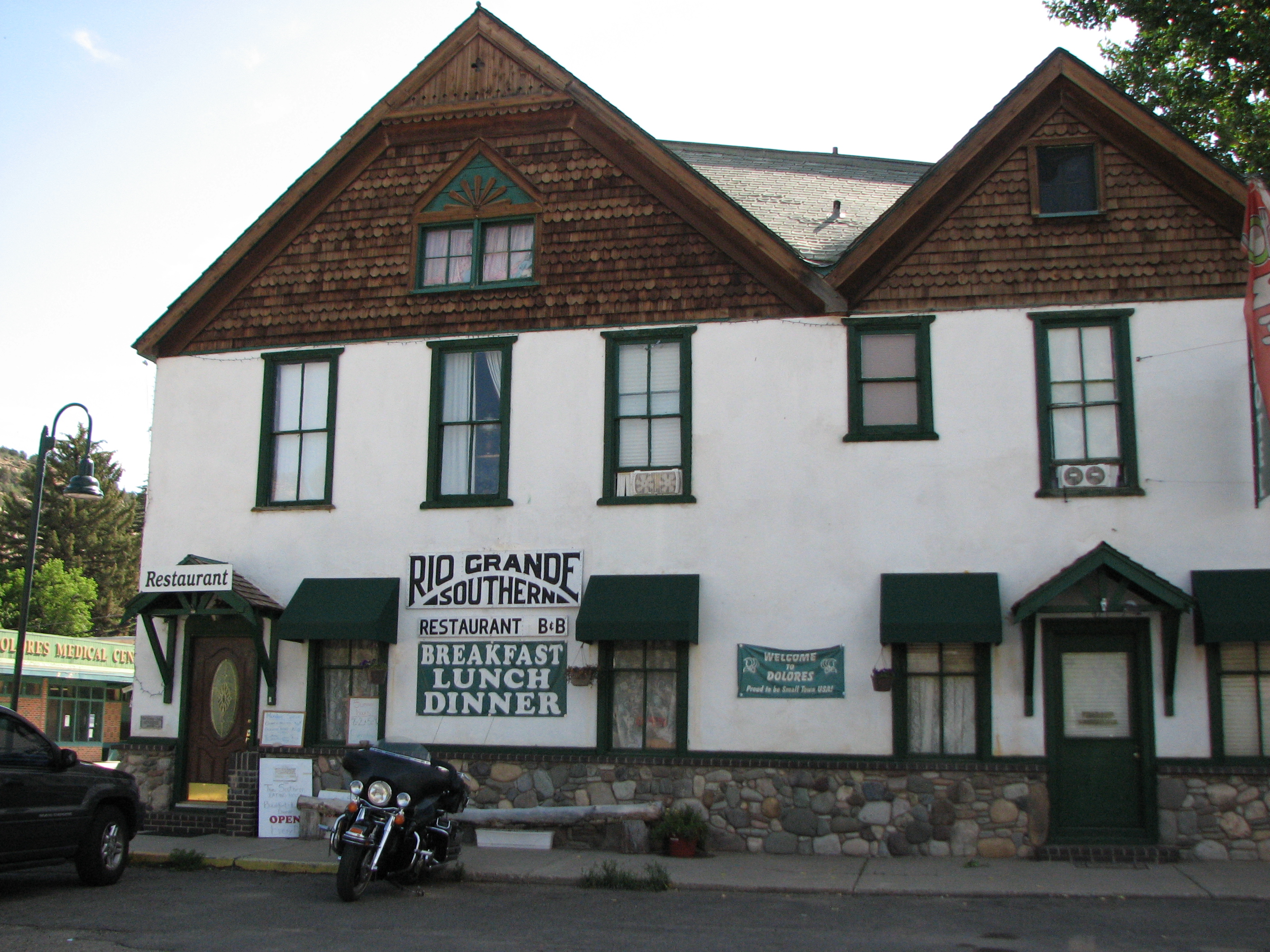
Posted in Uncategorized | 2 Comments